 By Kilam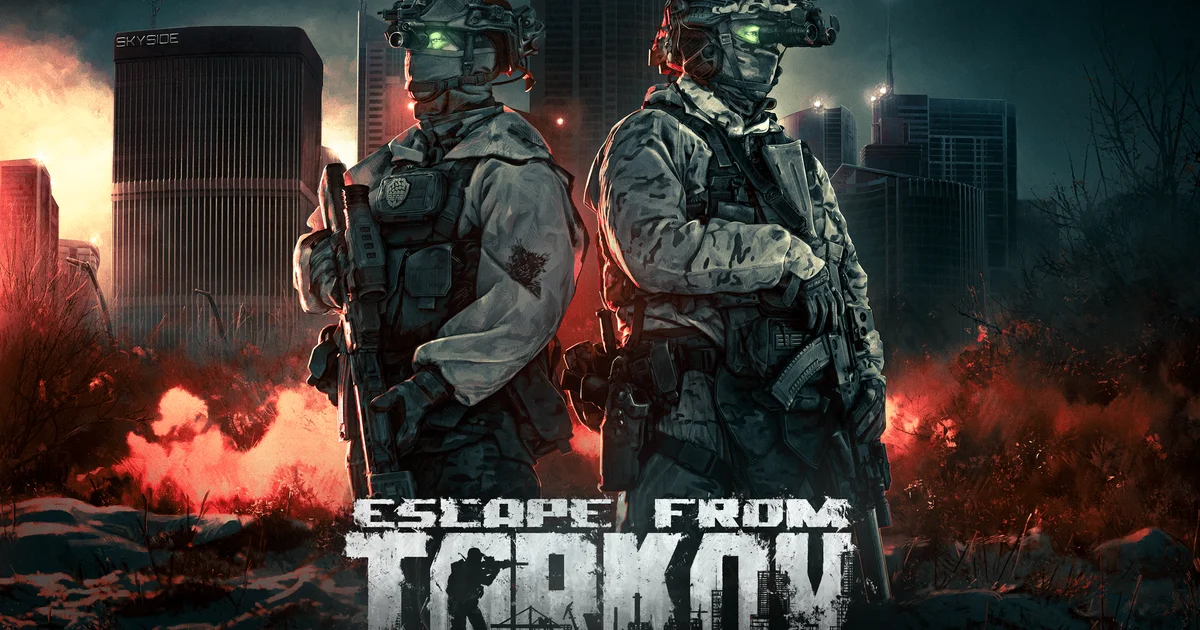
Tarkov's late-2026 roadmap gives its biggest technical milestone a simple label: Unity 6. That migration is planned for update 1.3.0 alongside performance improvements and refreshed vegetation.
Changing Unity versions does not automatically make a game faster. Escape from Tarkov combines CPU-heavy simulation, AI, large maps, networking and substantial object density, and the bottleneck can change dramatically from one location to another. The important part is that Battlestate is pairing the migration with a broader optimisation effort.
This is another step in an optimisation campaign already underway
Earlier 2026 updates introduced a revised player-culling system across an expanding list of locations. Customs, Interchange and Reserve received it in March, followed by Lighthouse, Shoreline, Woods and Ground Zero in April, while Streets of Tarkov had already been using the system.
Battlestate has also reworked parts of the post-raid architecture, shortened some loading processes and made changes to animation and audio systems intended to reduce PC resource usage.
DLSS was updated to version 4.5 in March with additional presets. None of those changes individually solves Tarkov's performance profile, but Unity 6 is arriving on top of several months of lower-level work.
The official recommended spec remains unusually demanding
The Steam release currently recommends an Intel Core i7-14700F or better, an RTX 4070-class GPU and 64 GB of RAM. Minimum memory is listed at 16 GB.
Those requirements do not tell us what Unity 6 will change, and Battlestate has not published a target percentage for higher frame rates or lower memory use. They do establish why the performance part of 1.3.0 matters.
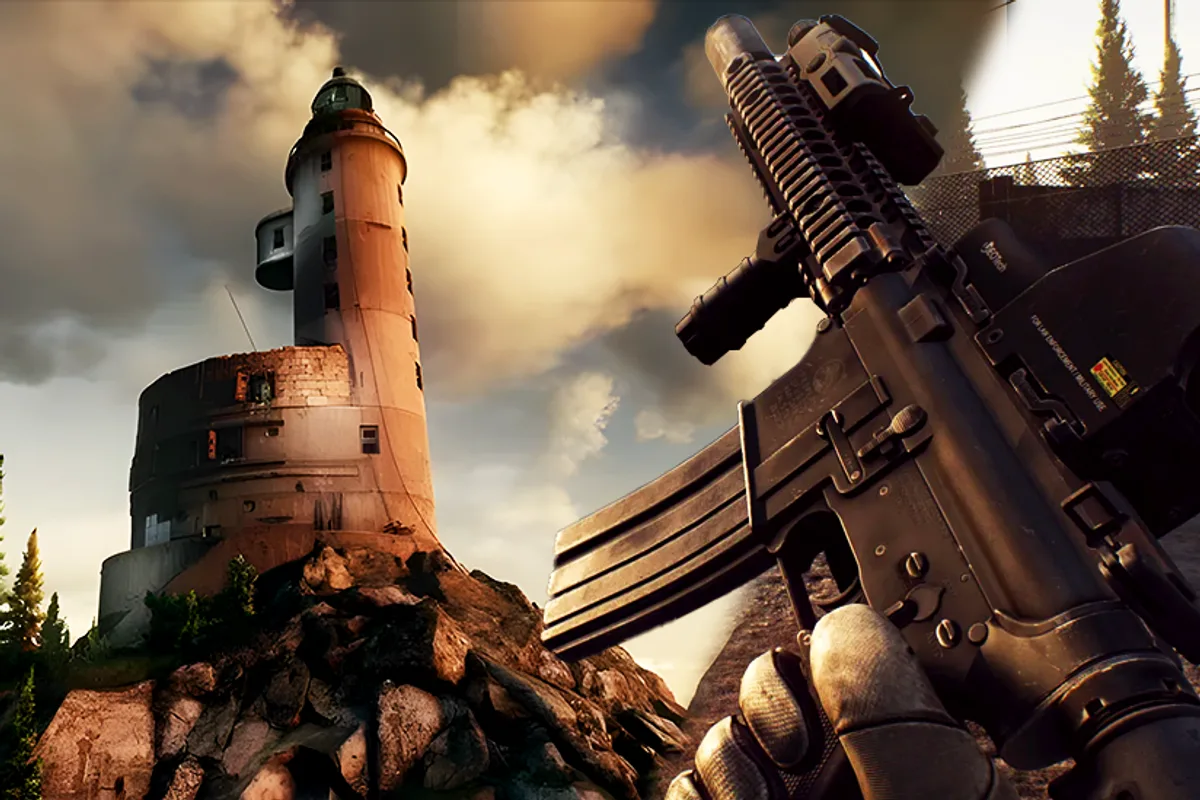
The workload is not standing still either. Lighthouse is being rebuilt with relocated Rogues, new points of interest, extra vegetation around some spawns and a BTR route. December then adds End of the Line as an entirely new raid location.
Not every Tarkov performance problem belongs to the renderer
Update 1.2.0.0 is scheduled to address PvE bot spawning and AI behaviour as well as the raid reconnection system. These systems sit outside the simple GPU discussion but strongly affect how responsive and reliable a session feels.
The December update adds another layer with downed players, teammate healing and revival. First-person magazine-loading animations are planned as well, giving the game more simulation work at the same time that Battlestate is trying to streamline its foundations.
That makes 1.3.0 an unusually clean checkpoint. If the Unity 6 transition produces meaningful improvements, frame-time consistency on the heavier maps and CPU-limited situations should reveal it more clearly than an average FPS number on an empty scene.
Update 1.3.0 is currently scheduled for October 2026. Battlestate describes the entire roadmap as preliminary, so both timing and individual features can still change.