
 By Tsuky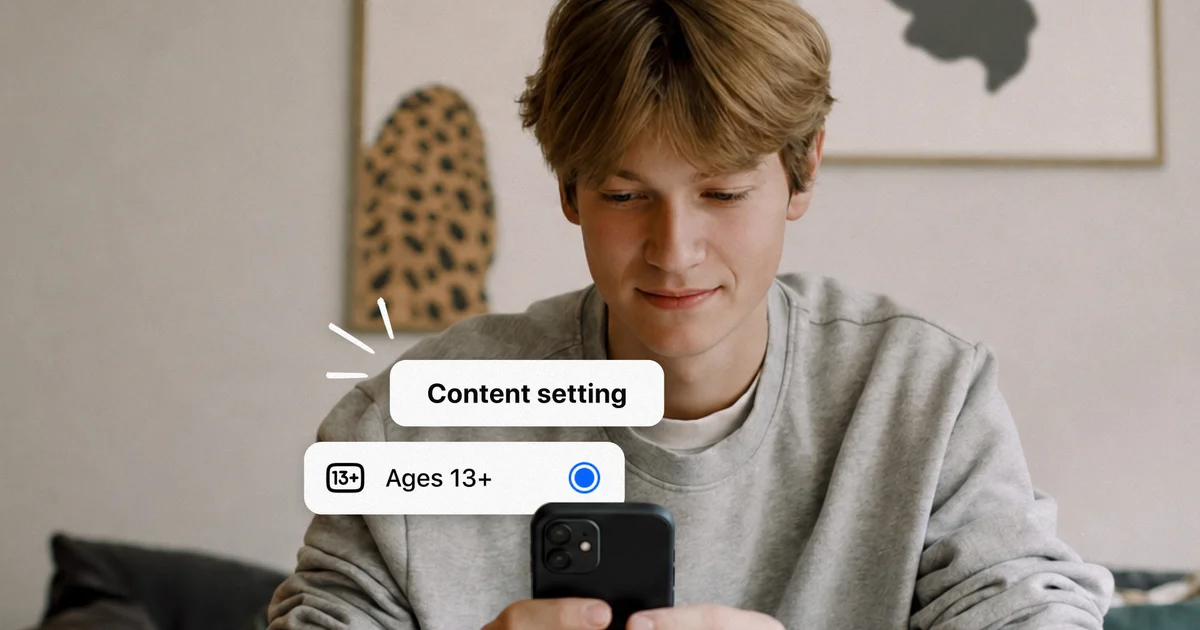
Instagram launched Take a Break in 2021. Adam Mosseri testified on August 25 that teen usage remained in the low single digits until the feature became a default setting for teenagers in September 2024.
Early testing had shown something else: once teens enabled the feature, more than 90% kept it enabled. The friction was getting them into the setting in the first place.
Defaults are part of the product, not administrative trivia
The states' case treats that difference as evidence about design incentives. They allege Meta built Facebook and Instagram to maximize prolonged engagement among young users while moving too slowly on protections capable of reducing that engagement.
Meta disputes the accusation and points to the safety systems it has continued to deploy. In 2026, for example, the company expanded 13+ Teen Account content settings across Instagram, Facebook and Messenger and increased the use of automated age-assurance systems.
Those systems can place accounts Meta believes belong to teenagers into more restrictive experiences automatically. Meta also says its visual age analysis looks for general patterns associated with young people rather than creating biometric facial identities.
The case also reaches internal safety data
Instagram product design director Francesco Fogu testified about a 2023 presentation prepared for company leadership. He acknowledged that data was removed from one slide showing teen exposure to categories including bullying, suicide, hate, nudity and violence, although he said the figure appeared elsewhere in the deck.
The states are using episodes like this to argue that the problem was not simply whether Meta conducted safety research, but how negative findings were surfaced, distributed and acted upon inside the organization.
Children's data adds an AI layer to the lawsuit
Twenty-nine states also accuse Meta of collecting personal data from children under 13 without the parental notice or consent required by COPPA. The case includes allegations that such data was used in machine-learning and generative-AI training.
Those claims remain allegations. Meta denies wrongdoing and the court has not issued a final liability decision.
That final decision may never arrive in the form expected when the trial began. Reuters reported on August 26 that Meta and state attorneys general had discussed a possible settlement. At the latest check, negotiations had been reported but no completed agreement had been publicly confirmed.