
 By Kilam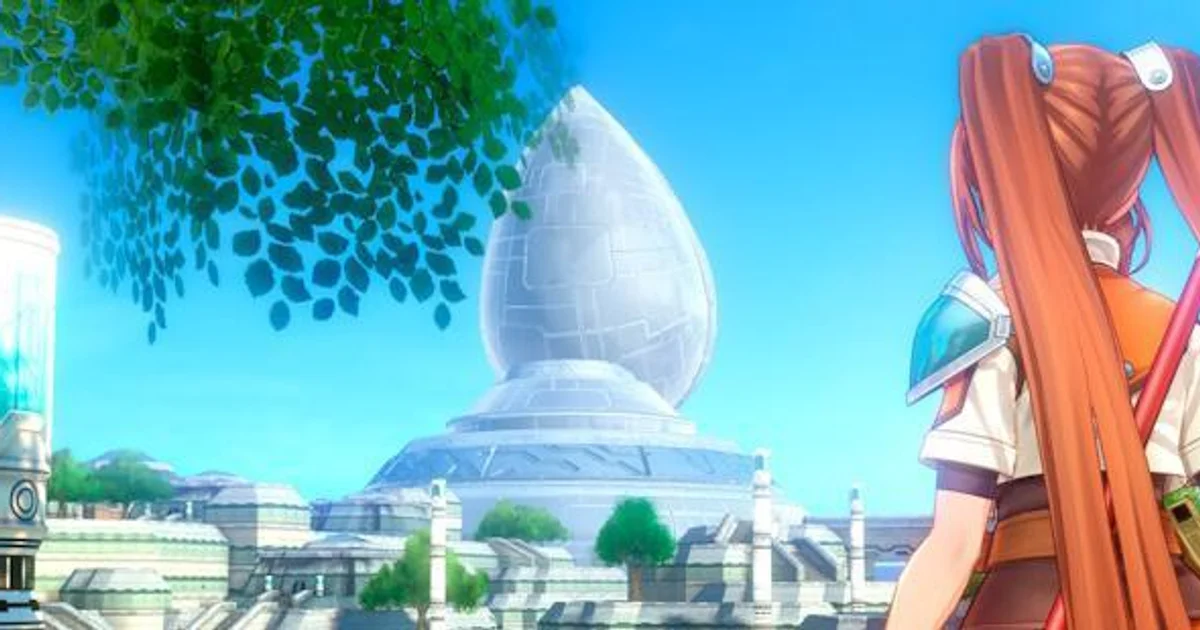
PS5 is an unusually polished Falcom release
RPG Site's platform comparison shows a PS5 version substantially more ambitious than either Nintendo port. The default mode targets 60fps and maintains it reliably while retaining strong image quality and detail.
A second mode unlocks the frame rate toward a 120fps target. Base PS5 becomes somewhat softer in this mode, but VRR helps absorb fluctuations. PS5 Pro improves clarity and stability further despite the absence of an official PS5 Pro Enhanced label.
In-game loading is also very short. RPG Site records roughly three to four seconds when loading a save on PS5, although reaching the title screen from the dashboard strangely takes more than twenty seconds.
PC offers the broadest technical range
Falcom developed the PC version internally. It supports mouse and keyboard, 16:10 and 21:9 gameplay output and multiple upscaling options. RPG Site notes that both DLSS and FSR are available from launch.
On powerful hardware, it is the most flexible version. The more interesting story may be portable PCs.
Steam Deck HQ finds that default settings can reach 60fps in many areas but not maintain it everywhere. Using FSR 2.2 at a 70 percent rendering scale with selected settings produces a stable 45fps profile and an estimated three-and-a-half to four hours of battery life. A 60fps-focused setup is also possible at a higher power cost.
Switch 2 leaves too much hardware unused
This is the clearest technical disappointment in the available testing. Switch 2 includes both quality and performance modes at launch, and the performance option does a respectable job targeting 60fps.
Visual compromises are substantial. RPG Site reports reduced foliage, draw distance, detail and resolution compared with PS5. More surprisingly, some vegetation settings fall below the PC version's lowest preset.
Quality mode does not solve the tradeoff. Its frame-rate behavior is poor enough that the comparison recommends performance mode outright.
The hardware is capable of better. Other Falcom ports on Switch 2 already demonstrate that.
Original Switch reaches the edge
The Switch 1 port is technically impressive simply for fitting the same game onto older hardware, but measurements are straightforward. RPG Site finds that its 30fps target drops into the mid-20s even in early areas.
Save loading reaches roughly eighteen to nineteen seconds, compared with six to seven on Switch 2 and four to five on Steam Deck in the same test.
Frame-rate drops matter less in turn-based combat than in a fast action game, but they remain visible during exploration and Quick Battle sequences.
A successful visual remake that still shows its budget
RPGFan calls the new 3D presentation some of the best-looking work in the Trails series, while WorthPlaying highlights the stylized characters, animation and much more dynamic cutscene direction.
The limits remain visible. Some environments are sparse, and RPGFan describes the interface as functional but fairly plain.
This is a remarkably effective modernization of a 2006 RPG rather than a cutting-edge rendering showcase. On PC and PS5, that compromise is easy to accept. Switch 2 clearly needs more optimization work.