
 By Camille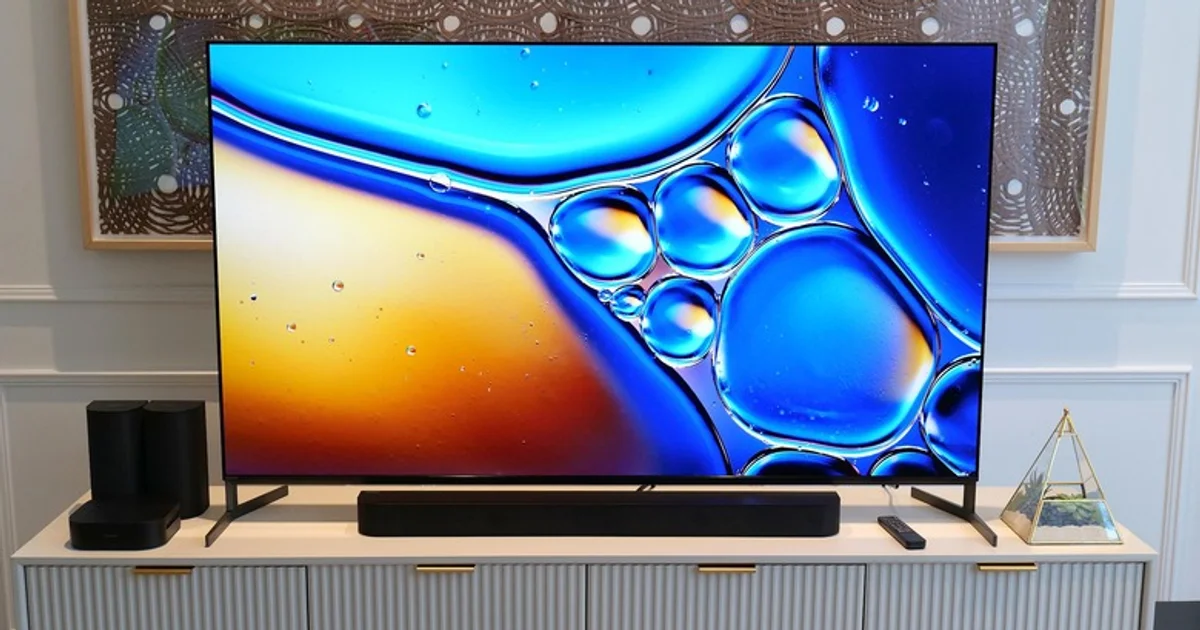
Sony Europe Home Entertainment chief Shoji Charlie Ohama addressed the concern during a June 6 interview held around the launch of the BRAVIA 9 Mark II in London.
By then, the corporate structure was no longer hypothetical. Sony and TCL had signed definitive agreements on March 31. TCL is set to own 51% of BRAVIA Inc., Sony 49%, with the new company taking over Sony's home-entertainment product development, design, manufacturing, sales, logistics and customer service.
Forty-nine percent matters to Sony's argument
Ohama rejects the idea that this is a conventional licensing arrangement. In a typical licensing deal, the original brand can become little more than a name placed on hardware designed and controlled elsewhere. Sony retains almost half of this joint venture and expects to contribute technology directly.
The company also says future products are expected to retain the Sony and BRAVIA names.
That does not automatically guarantee that every future television will preserve every current Sony engineering decision. Ohama acknowledged that some of the practical questions around components and product positioning were still being worked through.
Sony keeps pointing to processing, not the panel
When asked what makes a Sony television distinct, Ohama returned to image processing: the processors, control algorithms and tuning applied to the display.
The 2026 BRAVIA 9 II is a useful current example. Its True RGB system uses Sony's RGB Backlight Master Drive Pro to control independent red, green and blue light sources. Sony's own product material emphasizes how those sources are driven and compensated, rather than treating the underlying panel as the entire product.
Future panel sourcing is one of the unanswered questions. Ohama would not confirm whether BRAVIA Inc. will buy panels exclusively from TCL or continue to source display hardware elsewhere.
His commitment is narrower: Sony intends to keep applying its processing expertise to whatever panel the product uses.
The other half of the deal is scale
Sony's premium strategy has a problem that picture processing cannot solve. The television market is increasingly driven by manufacturers capable of producing enormous volumes while controlling more of their own supply chain.
Ohama said Sony still intends to compete in premium TVs, but also needs a stronger foothold in the mass market. TCL brings the vertical integration and large-scale manufacturing capacity that Sony lacks.
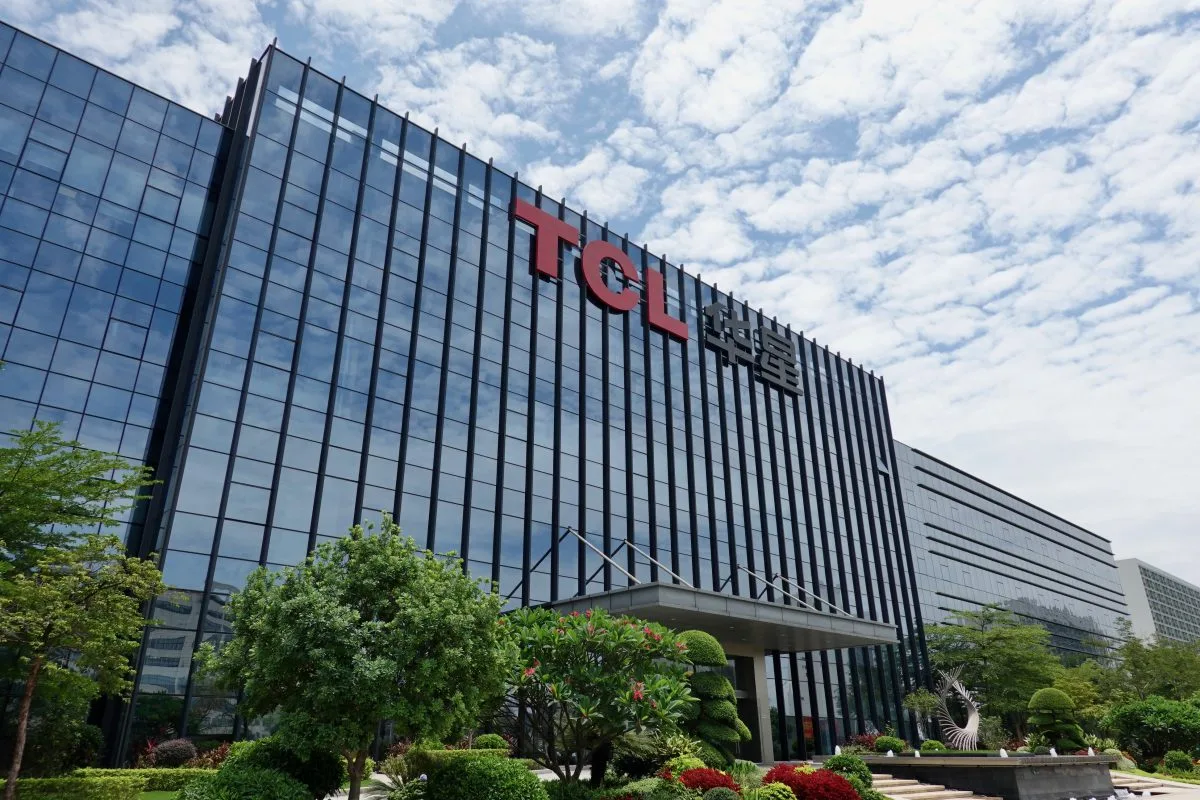
TCL's current business illustrates the distinction. It operates around an integrated display manufacturing ecosystem and openly describes scale and panel production as competitive advantages. Its 2026 X11L flagship also shows that the company is not confined to inexpensive televisions; TCL is pushing aggressively into premium display technology as well.
Ohama says the combination should let Sony address product segments and price points where it has had little presence. No specific lower-cost BRAVIA model has been announced, so that remains a strategic direction rather than a product launch.
The awkward questions are still the useful ones
Sony-branded and TCL-branded televisions are expected to remain separate products, potentially competing in the same stores even though TCL will control the company behind BRAVIA. Ohama said the companies still have work to do on how that relationship functions.
There is also no confirmed panel strategy for the first BRAVIA Inc. lineup, no detailed hardware architecture and no pricing structure for 2027.
BRAVIA Inc. is scheduled to begin operations in April 2027, subject to regulatory approvals and other closing conditions. The first products designed under that structure will provide the meaningful test of Sony's claim that a majority TCL stake does not turn BRAVIA into a licensing badge.