
 By Tsuky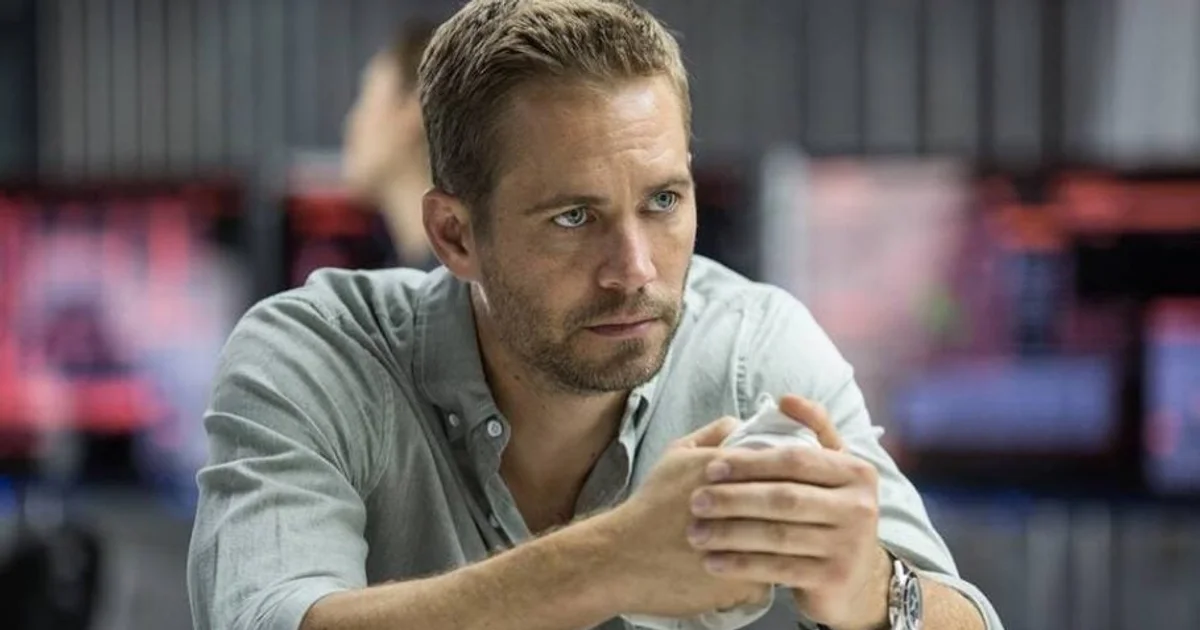
The technological difference between Furious 7 and Fast Forever can be summed up by Cody Walker's involvement. In the earlier film, he and Caleb Walker were part of the physical production solution. For the finale, Cody believes the studio does not need either of them.
Artificial intelligence is the obvious reason he gives.
There is another one: data.
Universal has years of professional footage to work with
Paul Walker was filmed across multiple Fast & Furious productions, leaving Universal with a large archive that includes material never used in the finished movies. That potentially gives a modern VFX pipeline unusually rich reference material.
Cody has not revealed a specific model, vendor or production workflow. No AI-based recreation has been officially confirmed for Fast Forever.
His claim is narrower: compared with the tools available while Furious 7 was being completed, creating a new digital appearance is now far more feasible.
They’re the best in the business, they can figure that out.
The word AI also risks oversimplifying the process. A modern sequence could combine archival footage, traditional compositing, digital doubles, facial replacement, machine-learning tools and entirely conventional VFX. Without production details, describing the hypothetical result as purely AI-generated would be guesswork.
Consent is the part technology cannot automate
Cody's most important point is not about rendering quality. He says the decision should ultimately reflect what Paul Walker's daughter Meadow wants.
That question matters because Fast Forever would be different from Furious 7. The 2015 film used digital tools to complete a performance Paul had already begun. A new appearance in 2028 would be created specifically for a film produced many years after his death.
A convincing reconstruction does not erase that distinction.
Vin Diesel has made Brian part of the finale's promise
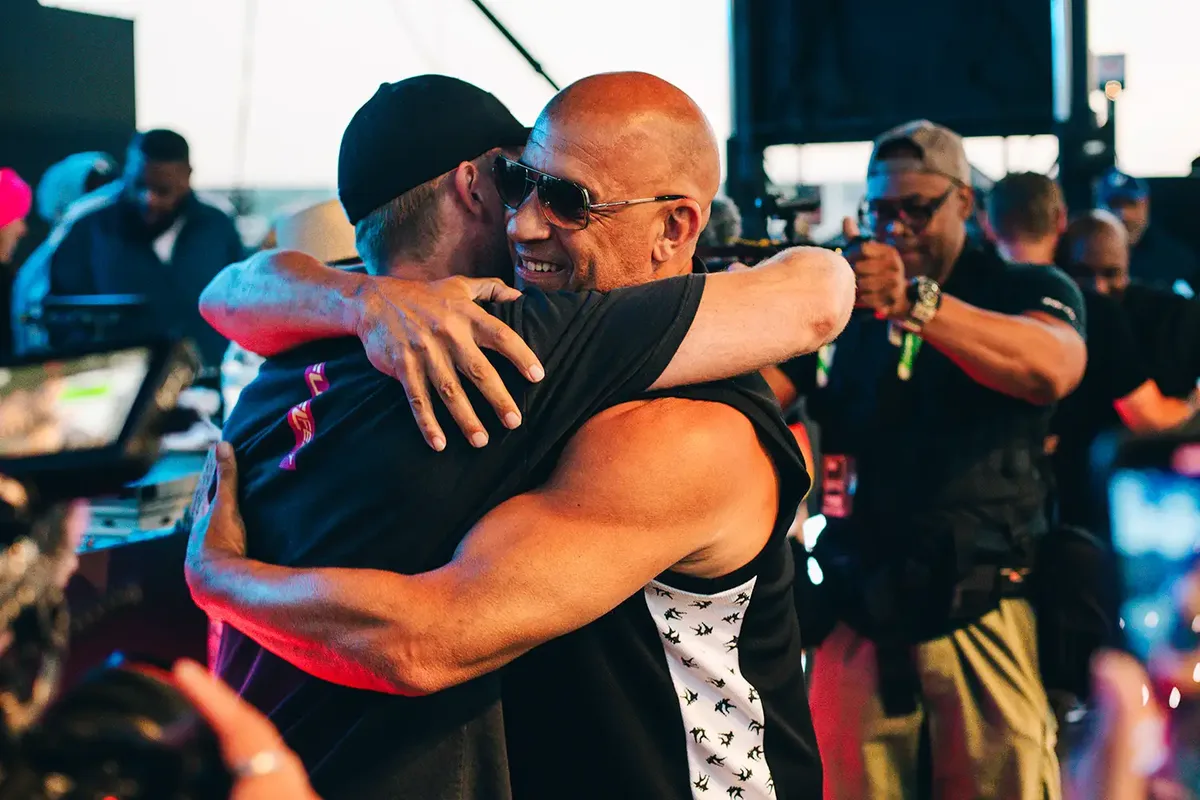
The technology debate would be mostly academic if the franchise were content to keep Brian off-screen. Vin Diesel has instead publicly said that one of his conditions for the finale is a reunion between Dom and Brian O’Conner.
There are ways to deliver that without synthesizing a full new Paul Walker performance. Existing footage could be repurposed. Brian could be present without a clear frontal appearance. The script could build the reunion around material that already exists.
But Cody's comments make the more aggressive option impossible to ignore.
Technical capability is moving faster than the editorial rules
Digital humans are steadily becoming easier to produce. The harder part for studios is establishing when such work is justified, who controls the likeness and how clearly audiences should understand what they are watching.
Fast & Furious is an unusually visible test case because the franchise already completed one celebrated digital farewell to the same actor.
Fast Forever is scheduled for March 17, 2028. By then the challenge may not be making Brian O’Conner look convincing.
It may be deciding whether another performance should exist at all.