 By Tsuky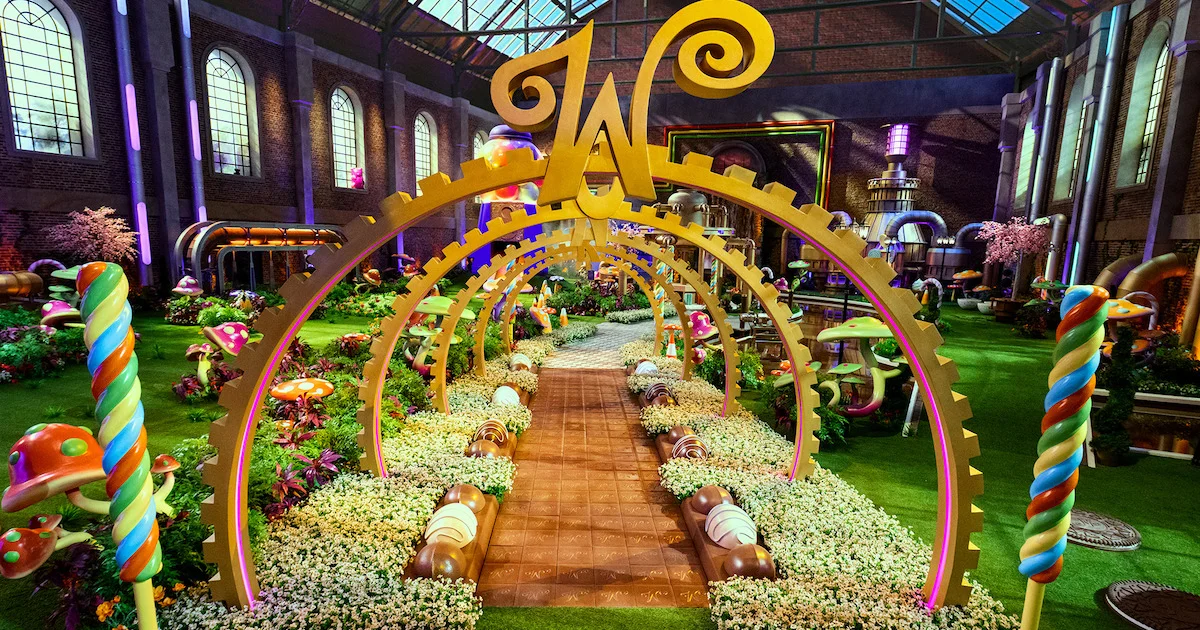
Netflix first disclosed the recreated Gene Wilder voice in June. The August 26 trailer makes the technology easier to evaluate because it places that voice inside the actual tone and machinery of Wonka's The Golden Ticket rather than discussing it as an abstract production feature.
Wilder died in 2016. His 1971 Willy Wonka performance remains the reference point, but the new lines belong to a new reality competition.
Consent solves one problem, not every question
The Gene Wilder Estate approved the recreation, and Karen B. Wilder has publicly supported the project. That is materially different from cloning a performer's voice without authorization.
It also creates a cleaner example of where synthetic performance is heading. The dispute is no longer primarily about whether the production had permission. It becomes a question of what permission to reproduce a voice should cover.
Netflix has not published the technical recipe behind the model, the amount of archival material used to build it, or a detailed breakdown of human intervention in each generated line. What it has confirmed is the recreated voice, the estate's consent and ElevenLabs' role.
Generation changes what an archive can do
An archival clip can only repeat something Wilder actually recorded. A generative voice system can produce dialogue written for a new context while preserving enough vocal identity for audiences to recognize the actor.
That is the practical shift. A studio can potentially treat a licensed voice as a reusable performance component rather than a fixed library of historical recordings.
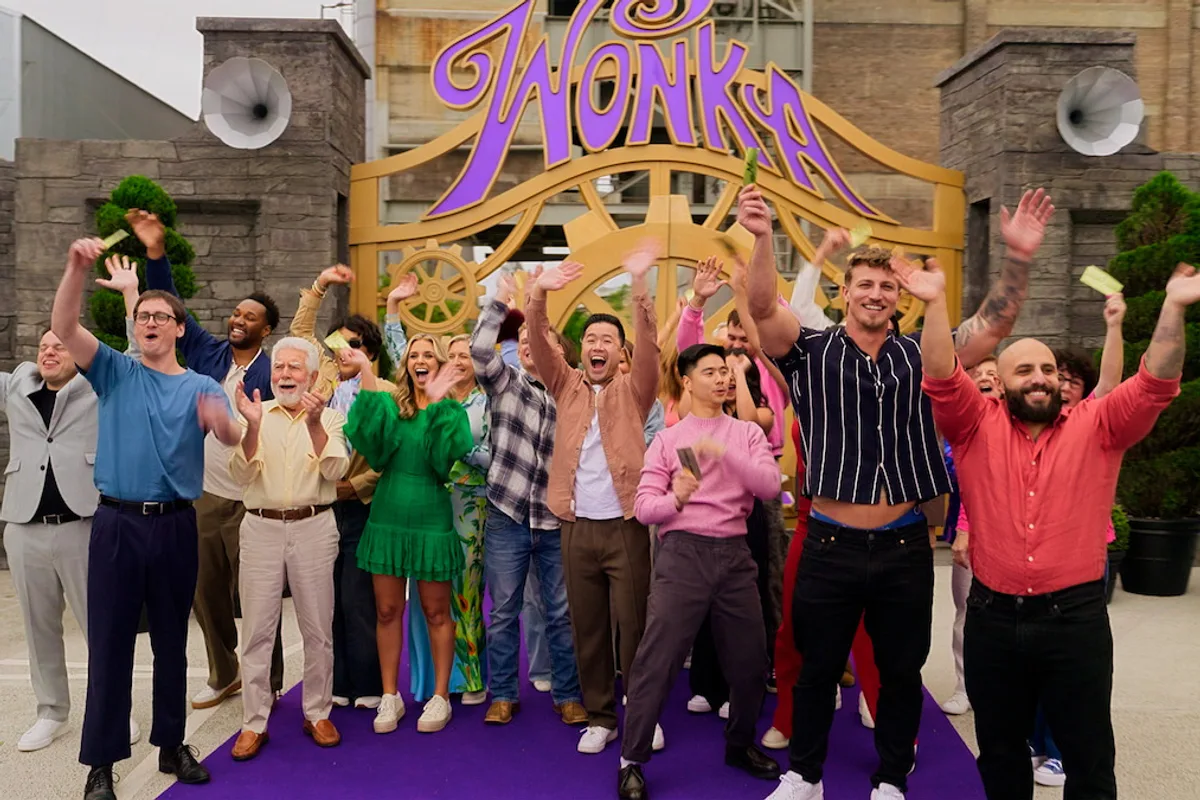
Wonka's The Golden Ticket makes that especially visible because nostalgia is part of the product. The factory, an original Oompa Loompa performer and Wilder's synthetic voice are all being used to connect a 2026 competition series to the 1971 film.
The contract may matter more than the model
Voice-generation technology will continue to improve. The harder production questions are increasingly about authorization: who can approve a replica, which projects it can appear in, whether new dialogue requires separate approval, and what happens when rights change hands.
This Netflix project does not answer all of those questions publicly. It does provide a large-scale example in which the technology, the rights holder and the distributor are aligned before release.
Wonka's The Golden Ticket premieres September 23, with its two-part finale following September 30.