
 By Tsuky
Meta began rolling out a new safeguard on August 27 after acknowledging that users could defeat part of its capture-light protection simply by changing the order of two actions.
If the LED was already covered, the glasses would refuse to start recording. Start the video first and cover the light second, however, and recording could continue.
Alex Himel, Meta's vice president of augmented reality, says the camera will now stop working when the light becomes covered during an active recording.
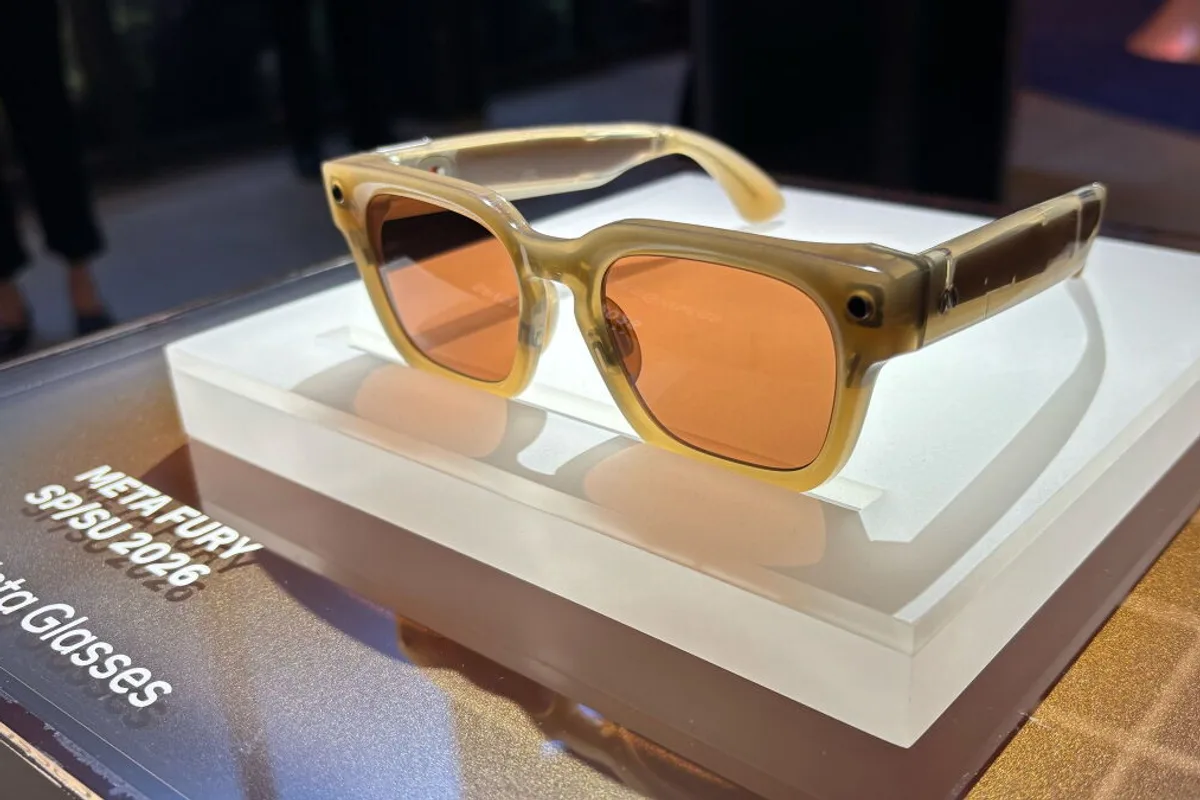
The problem was when Meta checked the LED
This was not an elaborate exploit. The safeguard was effectively checking the right condition at the wrong number of moments.
Meta's earlier system could determine that the capture indicator had been obstructed before the camera started. That was useful against somebody placing tape over the LED and then trying to record, but it did not fully protect the recording session once capture was underway.
The company has not published the implementation details behind the new continuous protection. It has not said how often the state is checked or exactly what type of obstruction triggers a shutdown.
Meta has been hardening the capture light for months
The white LED flashes for photos and continues blinking while gallery video is being recorded. Meta describes it as the mechanism that tells people around the wearer that the glasses are capturing content.
That means it has to function as more than a cosmetic status light. Its state needs to remain tied to the camera even when the owner would prefer otherwise.
Meta previously added protections that disable capture when the LED is blocked before recording begins. In July, the company also said it was improving detection of physical tampering or destruction of the light.
It has gone beyond firmware as well. Meta says it removes ads, posts and Marketplace listings advertising LED-tampering services and can take enforcement or legal action against businesses offering them.
A functioning LED is still not the same as consent
The update closes one specific bypass. It cannot make every person around a wearer notice the light, recognize what it means or agree to being recorded.

That distinction matters because these devices are designed to resemble ordinary eyewear. Unlike somebody holding a phone horizontally at eye level, a person wearing camera glasses may not immediately look like somebody operating a camera.
Ars Technica also points to unresolved edge cases such as semi-transparent covers intended to make the indicator less visible without completely blocking it. Meta has not publicly documented how the new safeguard handles those techniques.
Himel says only a tiny minority of users try to circumvent the protections. That figure is Meta's characterization rather than an independently published measurement.
The company is advertising the meaning of the light itself
Meta is pairing its engineering changes with a public-awareness campaign in communities where its glasses have sold particularly well.
The Verge reports that one Los Angeles billboard explicitly explains the division of labor: the camera captures a moment and the light tells everyone nearby when it does.
A Meta video delivers the same message by teaching viewers that an illuminated capture indicator means the glasses are taking photos or video.
That campaign exposes an unusual dependency in the privacy design. Software can enforce the connection between camera and LED; Meta still needs people who do not own the product to understand what the LED signifies.
The stakes rise as camera glasses become ordinary
Meta says millions of people now use its AI glasses every day. Its portfolio includes Ray-Ban Meta and Oakley Meta devices as well as the newer Meta Glasses range developed with EssilorLuxottica.
Those products combine cameras with microphones, open-ear speakers and AI features in frames intended to remain wearable during normal daily activity.
The more successful that design becomes, the less unusual the presence of an always-available wearable camera becomes too.
The new mid-recording LED check is now rolling out. Meta has not published a detailed per-model deployment schedule.