
 By Adri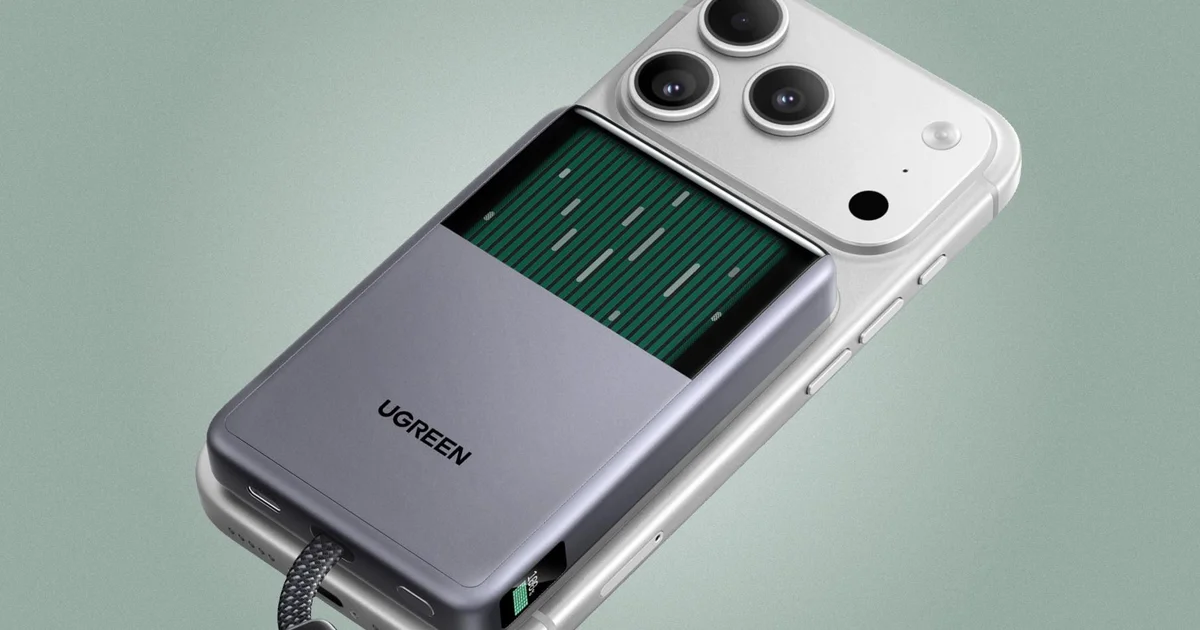
More power makes thermal throttling harder to ignore
Qi2's first major attraction was magnetic alignment combined with standardized wireless charging at up to 15W. The move to 25W increases maximum charging power by roughly 67 percent.
That does not translate into a phone charging 67 percent faster from empty to full. Charging curves change with battery level, device limits and, crucially, temperature.
Wireless charging already loses energy as heat during conversion. Put a magnetic battery pack directly against a phone and there is very little room for that heat to escape.
UGREEN brought a micro-pump
The MagFlow Pro 10K uses the most visually dramatic approach. Its CryoPulse system circulates coolant with a micro-pump, combines it with copper heat spreading and exposes part of the loop through a transparent window.
UGREEN says its internal testing recorded peak temperatures up to 10°C below a 48°C industry reference under matching conditions, along with up to 44 percent less heat accumulation around the cells.
Those remain manufacturer measurements rather than independent test results. The engineering objective is less controversial: remove heat from the charging coil quickly enough to delay or reduce power throttling.
Anker went with airflow and graphene
Anker's MagGo Power Bank 2 Pro takes a more conventional route. A controlled fan works with dual air ducts and a three-layer graphene heat-spreading structure.
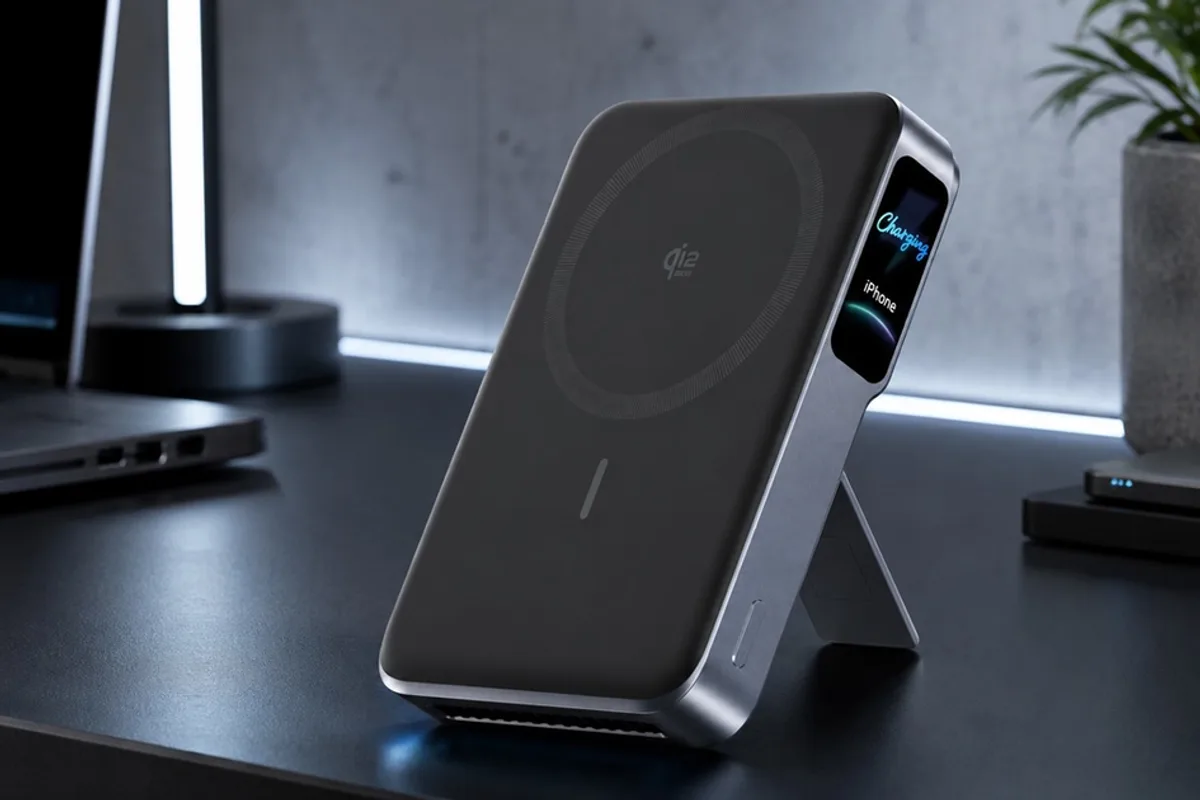
At IFA, Anker claimed the back of the pack remained below 36°C during charging. Its comparison units were said to reach around 45°C or more, where higher temperatures can contribute to the connected phone reducing charging power.
The company demonstrated the difference with slabs of butter placed on charging power banks. It is not exactly a substitute for instrumented thermal testing, but it certainly made the point visible.
ESR is turning active cooling into a product family
ESR's CryoBoost technology has been around longer, but its newest lineup pairs active fan cooling with Qi2-certified 25W charging across several form factors.
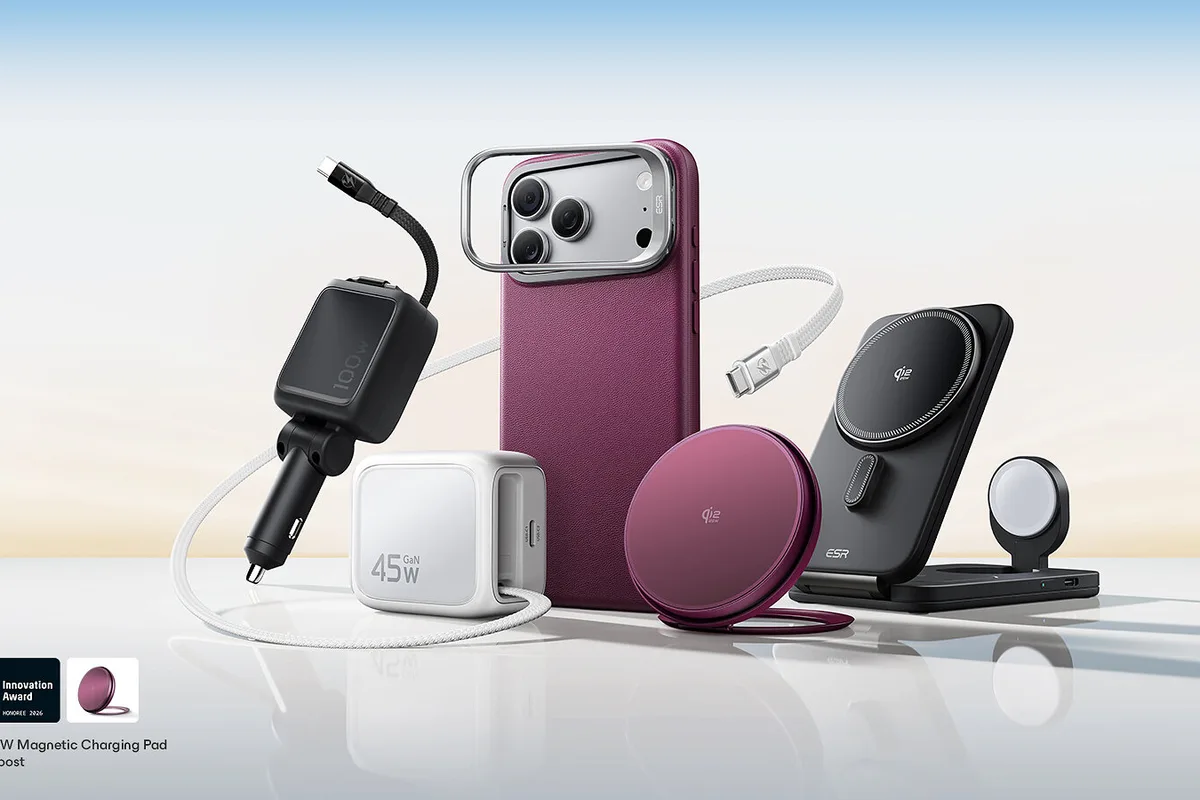
The Cyclone 25W Magnetic Charging Pad combines a fan-cooled magnetic charging surface with an adjustable stand. It was named an IFA Innovation Award 2026 honoree, with European availability expected around the end of October.
ESR is also using CryoBoost in 3-in-1 desktop and folding travel chargers as well as car mounts. On existing 25W CryoBoost stations, ESR claims active airflow can lower temperature by an average of around 3.6°C.
Peak wattage is only half the story
A charger capable of touching 25W briefly before thermal protection cuts output may not be faster over a full session than one that holds a slightly lower rate for longer.
That makes sustained output increasingly important. It also explains why accessory companies are starting to advertise thermal systems almost as prominently as charging power itself.
There is a cost. Fans and pumps consume power, occupy physical space and add mechanical components. Thermoelectric cooling can draw even more energy.
Portable batteries make the trade-off especially interesting
A cooling fan on a wall-powered desktop stand has little effect on how much usable energy reaches the phone. A cooled 10,000mAh power bank is different: some of the energy stored in the pack is now being spent managing the temperature of the charging system itself.
That makes efficiency tests particularly important. Useful comparisons will need to include sustained wattage, total energy delivered to the phone, surface and cell temperatures, noise and the power consumed by the cooling hardware.
IFA 2026 made one thing clear before those independent tests arrive. At Qi2 25W, cooling is no longer hidden protection circuitry. It has become part of the product.