
 By Tsuky
BRAVIA Inc. is scheduled to begin with TCL holding 51% and Sony retaining 49%. That gives Sony a large minority position in the operation taking over development, manufacturing and support for its home-entertainment products.
Sony also has a contractual route to sell portions of that position to TTE Corporation. The May amendment does not create the option; it modifies the financial exposure around an option that was already part of the March agreement.
The ownership changes are deliberately slow
Sony's regular put windows arrive on the third and sixth anniversaries of closing, followed by anniversary windows from year nine onward. Public transaction documents refer to prescribed percentages for the tranches without disclosing those percentages.
This matters when interpreting the deal from a product perspective. Assuming the planned April 2027 launch proceeds, the put mechanism is not a lever Sony can immediately pull as the first BRAVIA Inc. TVs arrive.
The parties also describe it as a standard minority-shareholder safeguard and state that their current intention is to operate the venture together for the long term.
The exit value tracks operating performance
The basic formula uses BRAVIA Inc.'s preceding-year EBITDA multiplied by 4.5 and then applies the percentage of shares sold. Relevant cash dividends are deducted.
That makes future operating performance part of the exit mechanics. There is no single 2026 price attached to Sony's remaining stake for every later exercise.
Exercises from the ninth anniversary onward receive an additional contractual discount adjustment. The first two tranches have a separate minimum-return mechanism linked to the initial equity value and six years of 1% simple annual interest.
¥100 billion is a cap on one company's exposure
The May 11 amendment caps the aggregate amount payable by TTE Corporation under the three put tranches at ¥100 billion. TCL says that figure was based on BRAVIA Inc. projections, the broader TV-market outlook and an indicative exit-price calculation.
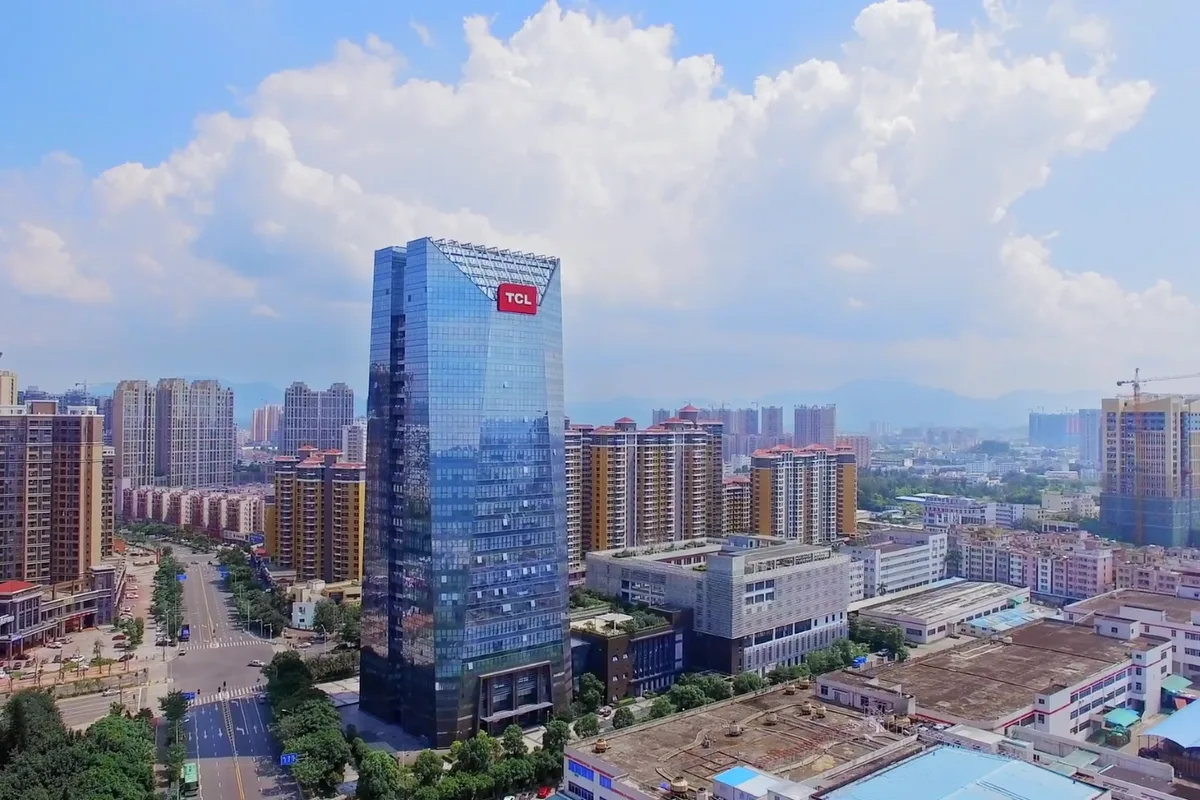
It is not necessarily a cap on the economics Sony receives. TCL Electronics' immediate controlling shareholder, T.C.L. Industries Holdings (H.K.), has issued a separate undertaking to pay Sony any excess that would otherwise fall above TTE's cap.
The listed TCL Electronics group does not reimburse that payment and does not pledge its assets as security for the undertaking.
The board structure exposes the bigger long-term change
If Sony exercises the second tranche and its BRAVIA Inc. ownership falls to 20% or below, TCL's side gains four appointments on the five-member board. Sony retains one.
That is not evidence that future BRAVIA televisions will automatically lose Sony processing, use a particular TCL panel or adopt a different software stack. The transaction documents do not specify those product-level consequences.
What they do specify is that Sony's influence over the company making those decisions can become substantially smaller if it chooses to sell down its stake.