
 By Adri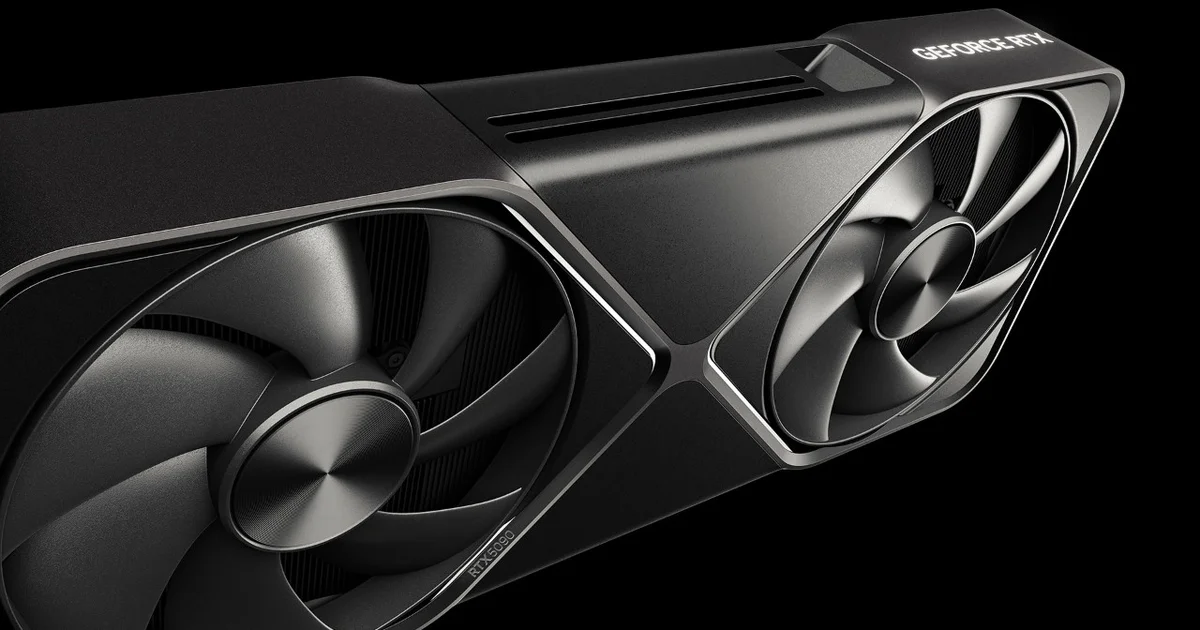
Nvidia's own US marketplace still lists the GeForce RTX 5090 Founders Edition at $1,999 and currently marks it out of stock. Tom's Hardware reported on September 14 that major online retailers were largely down to third-party inventory, with asking prices ranging from roughly $6,500 to $9,500.
Those figures are not new Nvidia MSRPs. They are seller listings appearing after conventional retail inventory became difficult to find.
A $6,000 RTX 5090 is becoming the cheap end of the problem
Tom's Hardware found an MSI Ventus 3X listed on Newegg for $6,449 by a third-party seller, while an Asus TUF Gaming OC appeared on Amazon for about $6,395 from another independent shop. Another Newegg result reached $8,699, with the upper end of the market stretching to around $9,500.
The trend was already ugly before this latest squeeze. Tom's recorded a median RTX 5090 price of $4,299 in June and a lowest online price of $5,199 at the beginning of September.
The nominal $1,999 launch price is now separated from much of the open online market by several thousand dollars.
There are still a few pockets of real inventory
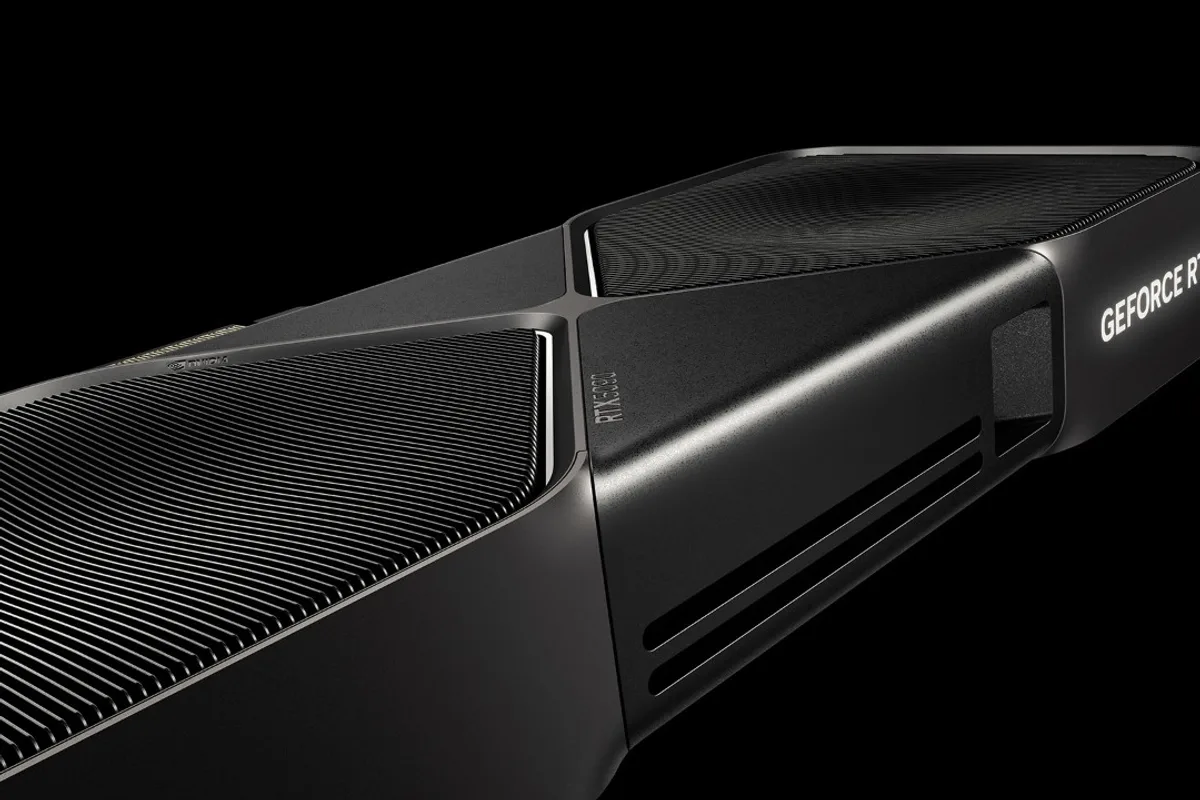
This is not a claim that every RTX 5090 in the United States has disappeared. Tom's Hardware found stock at a local Micro Center, including a card priced at $4,299. The retailer's long-standing emphasis on in-store GPU sales makes that inventory harder to sweep up through nationwide online purchasing.
Nvidia has also sold Founders Edition cards at MSRP through limited in-person Verified Priority Access events, including PAX West. Those opportunities are very different from broad, stable retail availability.
The RTX 5090 is useful to buyers who do not care about gaming
Nvidia specifies 21,760 CUDA cores, 32 GB of GDDR7 memory and a 512-bit memory interface for the RTX 5090. Those specifications make the card interesting not only as the flagship gaming GeForce but also for local AI and compute workloads that benefit from a large pool of fast VRAM.
Tom's Hardware argues that AI demand is an important contributor to the current shortage. That remains the publication's assessment rather than a Nvidia-confirmed explanation for the latest inventory collapse. Nvidia has not publicly detailed how much GeForce supply is being redirected, nor has it announced a date for normal US availability to return.
The economics are easy to see, though. Professional Blackwell cards can cost far more, which makes a 32 GB GB202-based GeForce attractive to some compute buyers even when its street price has climbed far beyond MSRP.
At $9,500, benchmark charts stop being the main question
The RTX 5090 remains exceptionally fast. Its performance has not, however, increased fivefold since launch just because a marketplace listing says $9,500.
There is another problem with the remaining supply: seller quality. Tom's Hardware highlighted weak ratings and recent complaints associated with some third-party listings and pointed to previous scams involving high-value RTX 5090 purchases. An extreme price is not evidence of a trustworthy transaction.
As of September 14, Nvidia had not announced a public plan for stabilizing US RTX 5090 inventory. The Founders Edition still officially carries a $1,999 price. Availability is the part that has become theoretical.