 By Tsuky
Coinbase Chief Policy Officer Faryar Shirzad said on September 3 that the company had filed a notice registration form with the Securities and Exchange Commission earlier in the week.
The filing is intended to establish a regulatory path for listing equity perpetuals for US investors.
It is not an SEC approval, and Coinbase has not announced a US launch date.
Coinbase already runs the experiment outside America
Stock perpetual futures launched for eligible non-US customers on March 20 through Coinbase Advanced and Coinbase International Exchange.
The initial lineup includes Apple, Microsoft, Alphabet, Amazon, Nvidia, Meta and Tesla. SPY and QQQ perpetuals are also offered where permitted.
Trading continues 24 hours a day and seven days a week, including periods when the underlying US equity market is closed.
The share and the perpetual are very different things
Buying an Apple perpetual does not place Apple stock in a brokerage account.
The contract provides synthetic price exposure. It has no conventional expiry date, and traders can use it to take long or short positions without owning the referenced equity.
That distinction affects more than terminology. Ownership rights attached to the actual share do not automatically become rights attached to the derivative.
The crypto DNA is obvious in the leverage
Coinbase's international product offers up to 10x leverage on individual stock perpetuals and up to 20x on selected ETF contracts.
Settlement uses USDC on crypto rails, and cross-margining can combine collateral across spot and perpetual positions.
Those features make the product capital-efficient. They also make risk move faster. A leveraged synthetic Tesla position can be liquidated without a trader ever owning a single Tesla share.
Traditional market hours are the problem Coinbase is selling against
US equities now have much broader extended trading than they once did, but the market still does not behave as one continuous seven-day session.
Global events do.
Perpetuals can let a trader adjust synthetic stock exposure on a weekend instead of waiting for the underlying exchange to reopen. Institutions can use the same mechanism for hedging positions outside regular sessions.
The awkward part arrives at exactly the same time. When the underlying cash market is closed, index construction, liquidity and price discovery become especially important.
Getting past the SEC would not finish the job
Shirzad said Coinbase would also need sign-off from the Commodity Futures Trading Commission.
That dual regulatory interest reflects the unusual bridge the product creates: an equity sits underneath a perpetual derivatives structure that grew largely out of crypto markets.
Coinbase cannot simply switch on its international product for US accounts.
US regulators have already opened the door to some perpetual products
The CFTC allowed regulated venues including Coinbase to list certain Bitcoin perpetual-style futures in May.
The agency later sought feedback on crude-oil perpetual contracts and round-the-clock trading, suggesting the discussion has already moved beyond crypto alone.
Equity perpetuals would take that experiment directly into the stock market.
The larger project is Coinbase's Everything Exchange
Coinbase has been steadily erasing the old boundaries around a crypto exchange.
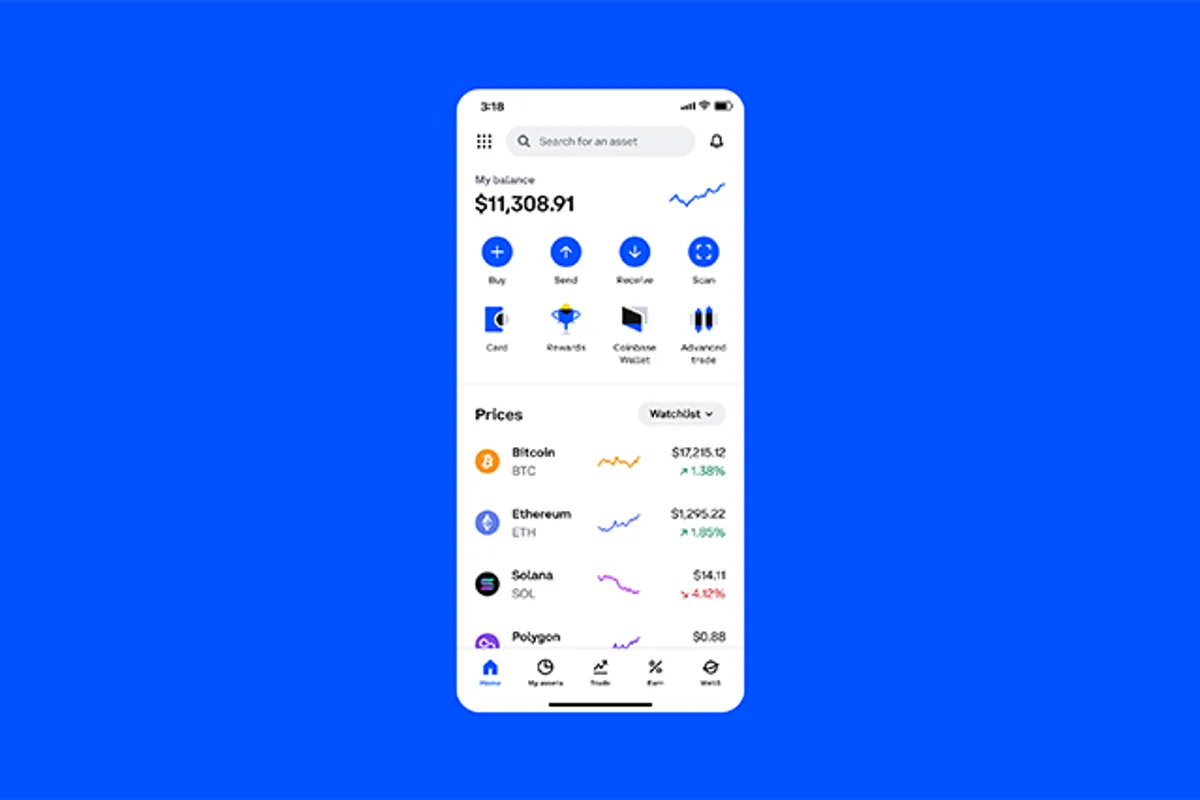
US customers can already access conventional stocks alongside crypto, while the company has expanded derivatives and prediction markets. International users received 24/7 stock perpetuals months ago.
Coinbase calls the broader strategy the Everything Exchange: one platform spanning crypto, traditional securities and newer market structures.
An always-open market can still be a thin market
The headline feature is 24/7 availability. The harder question is what trading looks like during the hours traditional equity venues are dark.
Order-book depth, spreads, reference pricing and liquidation behavior can all look different when the underlying security is not actively trading.
Coinbase already has international data from the product. US investors do not have access yet, and the SEC filing is only the beginning of the regulatory process.