
 By Tsuky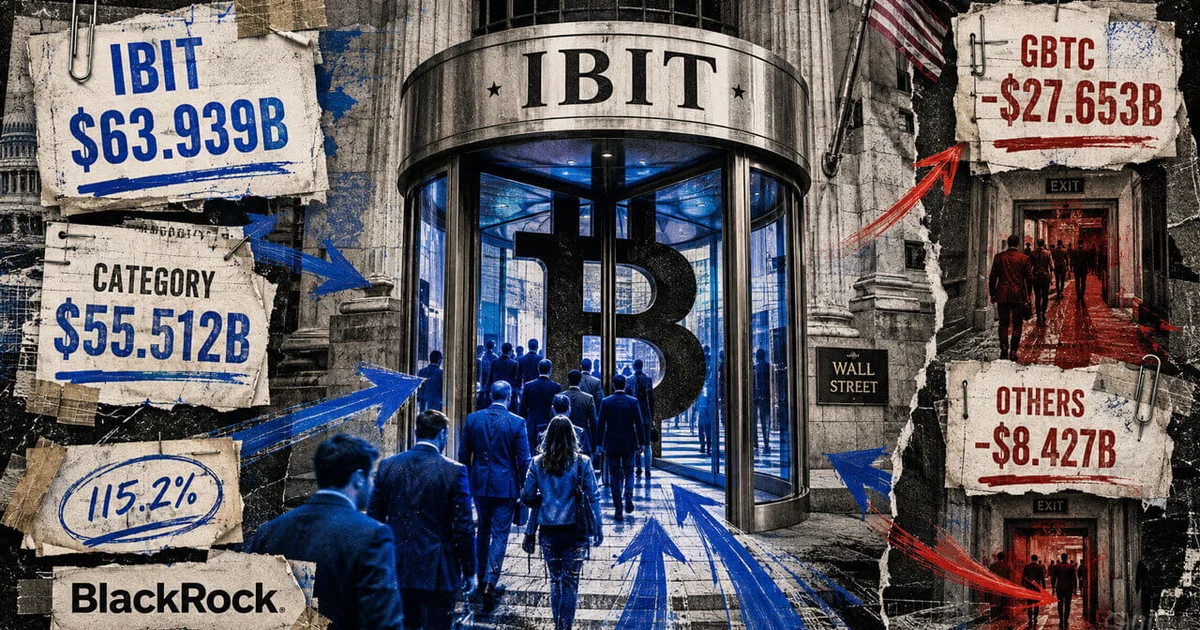
The common thread is infrastructure.
Crypto spent years building exchanges, wallets and markets outside the conventional financial stack. Several developments between September 3 and September 7 point in the opposite direction: digital assets and traditional finance are increasingly borrowing each other's structures.
Bitcoin ETFs have returned as a major source of spot demand
U.S. spot Bitcoin ETFs recorded $730.9 million of net inflows on September 3, their strongest single session since January 14.
BlackRock's IBIT accounted for roughly $454 million of that amount.
The full week ended with $986.9 million of net inflows, up from $924.5 million the week before. IBIT alone attracted $691.5 million. That extended the category's positive run to three consecutive weeks.
August had already delivered $3.52 billion in net inflows, the strongest monthly result since September 2025.
Bitcoin itself remains around $80,000 after briefly reaching approximately $81,700 on September 3. ETF creations provide genuine demand for fund exposure, but they do not mechanically force the underlying price higher on any particular day.
Zcash has become an ETF story too
ZEC moved through $1,000 on September 4 and briefly traded above $1,200 on September 7.
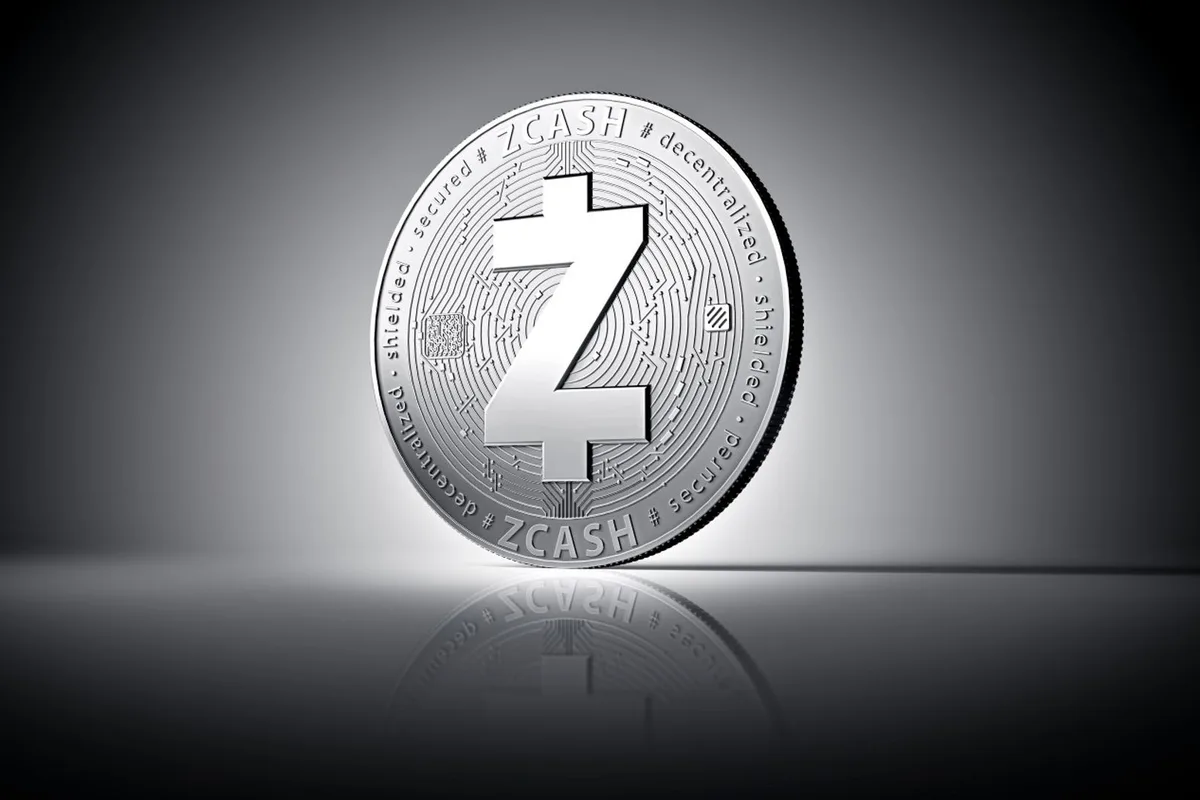
The move follows Grayscale's conversion of its long-running Zcash Trust into ZCSH, a U.S.-listed ETF that began trading on NYSE Arca on August 25.
By September 4, the fund held about 444,608 ZEC and reported approximately $463.2 million in assets. Earlier flow data showed at least $34.4 million in net inflows following launch.
Mining competition has risen at the same time. Zcash network solrate moved from roughly 25 GSol/s in late August to briefly above 30 GSol/s.
South Korea is designing tokenization for conventional securities
South Korea's Financial Services Commission is not limiting its plans to fractional collectibles or crypto-native instruments.
Its September 4 roadmap explicitly covers traditional stocks, bonds and funds.
Phase one is scheduled to begin when amendments to the Electronic Registration Act take effect on February 4, 2027. It will initially cover selected institutional private MMFs and bonds, trust-based tokenization of unlisted shares and publicly offered fractional-investment securities.
A second phase would expand tokenization to publicly offered conventional securities.
The eventual target is an on-chain payment and settlement system that can connect to stablecoins. South Korean regulators have deliberately left that later timetable flexible because it depends on technical progress, the first phase and pending stablecoin legislation.
Coinbase wants to export the perpetual contract back into stocks
Perpetual futures became one of crypto's defining trading products because they provide leveraged long or short exposure without a fixed expiry date.
Coinbase now wants a regulated U.S. route for applying that structure to equities.
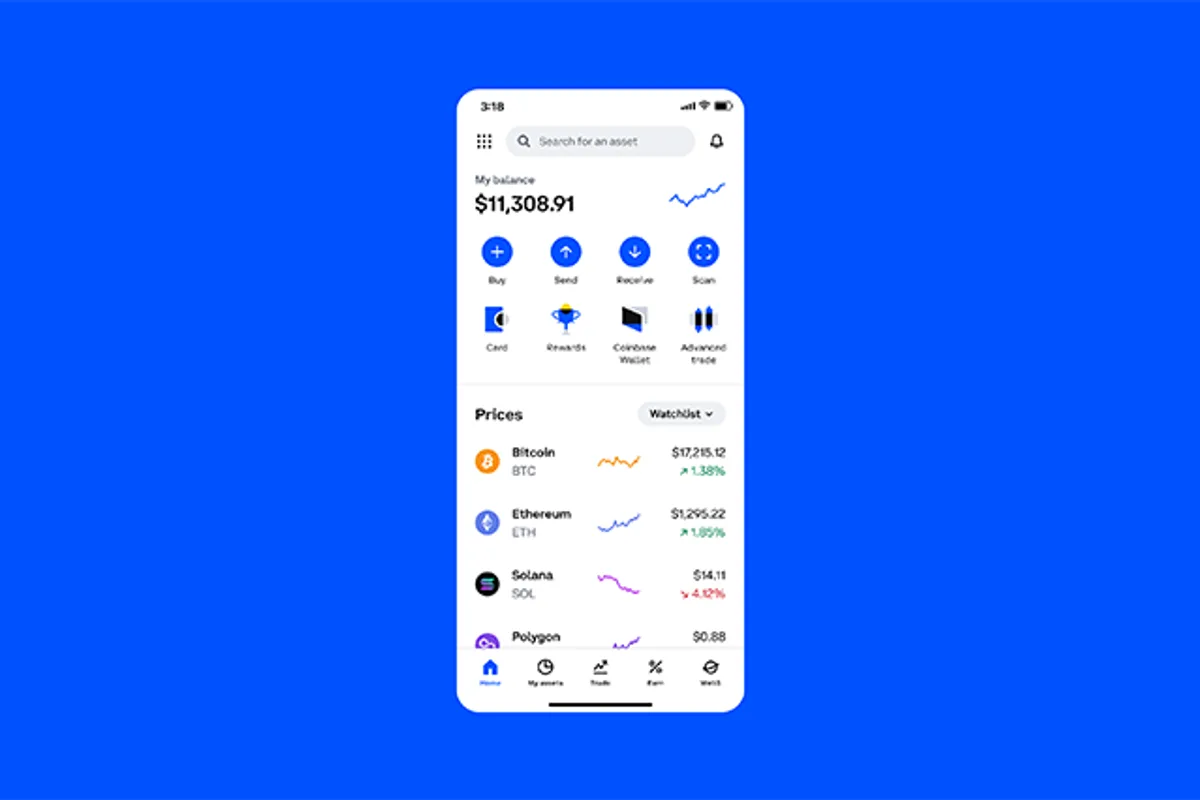
The company filed a notice registration form with the Securities and Exchange Commission as it seeks permission to list equity perpetuals.
Coinbase policy chief Faryar Shirzad argues that international markets have already demonstrated demand for the product.
The filing is a regulatory request, not an approval. U.S. investors cannot treat the proposed offering as a confirmed launch yet.
The IMF has changed how El Salvador's Bitcoin accumulation should be read
El Salvador's public Bitcoin balance has continued to rise, but the IMF says public money has not funded additional accumulation since June 2025.
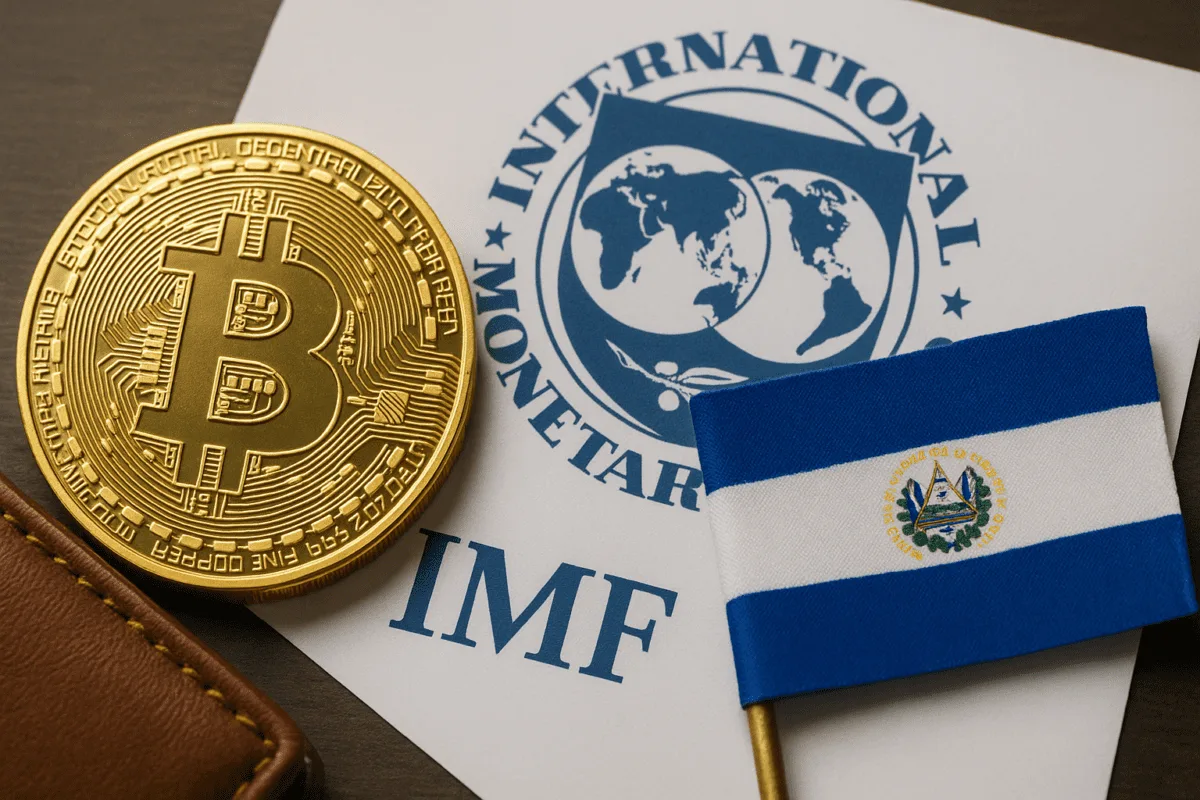
According to the Fund, documentation provided by Salvadoran authorities attributes subsequent additions to private donations.
That distinction matters because the country's public messaging continued to show its holdings increasing, including a 1,090 BTC addition disclosed in November 2025.
The IMF is referring specifically to the funding source behind those additions.
The disclosure arrived as IMF staff reached agreement on the combined second and third reviews of El Salvador's 40-month Extended Fund Facility. Roughly $140 million could become available if prior actions are completed and the IMF Executive Board approves the reviews.
Public involvement in the Chivo wallet has also been substantially reduced, with majority ownership and operational control transferred to a private operator.
OpenReserve is taking the bank route
OpenReserve received preliminary conditional approval from the Office of the Comptroller of the Currency on September 2 to organize OpenReserve Bank, National Association in Salt Lake City.
The proposed institution is designed as a full-service national bank rather than a narrow crypto custody company.
Its business plan covers deposits, lending, payments and treasury operations, alongside digital-asset services, nonfiduciary digital-asset custody and tokenized deposits. A subsidiary is also planned for stablecoin issuance.
It cannot open yet.
OCC conditions include at least $210 million of initial paid-in capital, FDIC deposit insurance, Federal Reserve membership requirements and final OCC authorization. OpenReserve would also need to maintain a Tier 1 leverage ratio of at least 12 percent during its first three years.
Then there is Bitcoin's approaching golden cross
Markets are still watching a much older signal while the financial plumbing changes underneath them.
Bitcoin's 50-day moving average is approaching a cross above its 200-day average. Traders call that configuration a golden cross and often interpret it as evidence that recent momentum has overtaken the longer-term trend.
Bitcoin's history makes it a poor standalone forecasting tool.
CoinDesk identified twelve comparable crosses since 2012. Of the nine with measurable three-month returns, the average gain was 24.9 percent, yet only three of all twelve signals remained intact for a full year without a subsequent death cross reversing the pattern.
Moving averages are lagging indicators by construction.
USDT dominance is adding another chart to watch, with its own 50-day average approaching a bearish cross below the 200-day line. Falling stablecoin dominance can accompany risk-on rotation, although the ratio can also fall simply because crypto assets appreciate faster than stablecoin supply.
Crypto's institutional phase looks increasingly literal
An ETF is a traditional securities wrapper around Bitcoin. Zcash now has one too.
South Korea wants blockchain records to support ordinary stocks, bonds and funds. Coinbase is asking to take a crypto-native derivatives structure into equity markets. OpenReserve wants deposits, lending and digital assets under one national bank charter.
The direction is no longer simply traditional finance adopting a little crypto exposure.
Both systems are beginning to exchange infrastructure.