
 By Kilam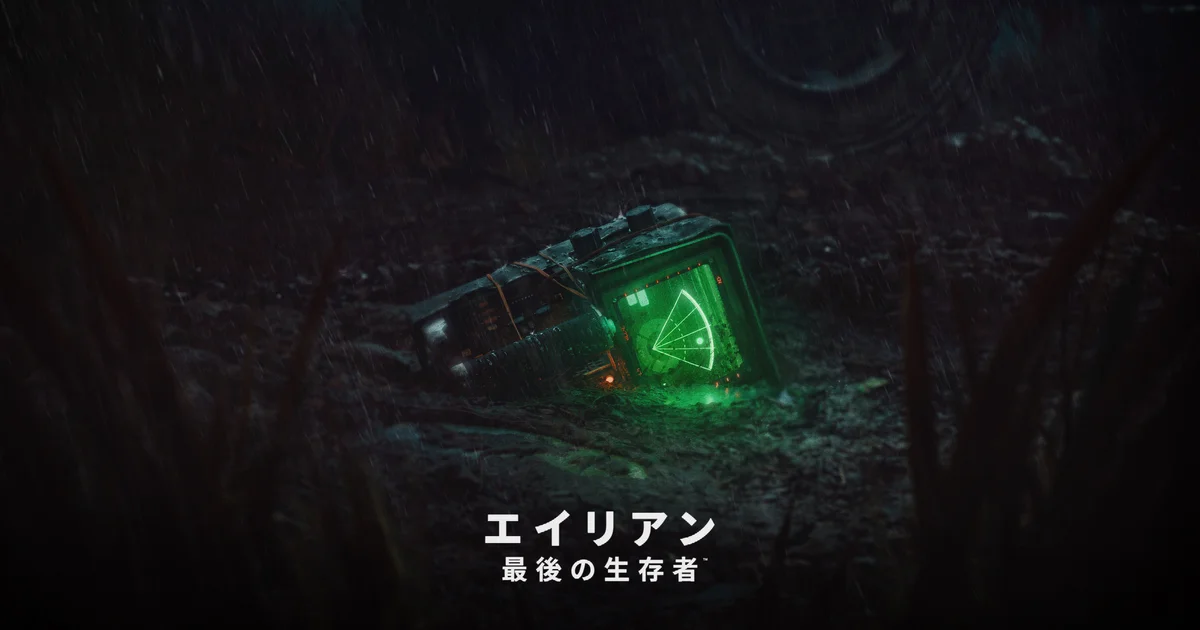
Alien: Isolation 2 presents an awkward rendering problem: darkness is not an occasional mood setting. It is where a large part of the game has to function. Materials still need to read correctly, sudden light sources need to react quickly, and the player needs enough visual information to understand a space without making that space feel comfortably illuminated.
Creative Assembly wanted tighter control over the dark
Principal environment artist Archie Whitehead told TechRadar that Unreal Engine 5 provides a strong foundation, but the studio developed custom lighting technology for specific situations where it wanted a more immediate response. Lightning, flickering fire and rotating sirens are among the examples he gave.
Lumen, Unreal Engine 5's global illumination and reflection system, remains part of the broader technical picture. Creative Assembly's custom solution is intended to give the team additional control over the extremely dark scenes that define Alien's visual language.
Metal surfaces expose the difficulty. Their appearance depends heavily on reflected surroundings, which becomes tricky when those surroundings contain very little light. The custom system helps Creative Assembly balance physically convincing material response against the need to keep the environment visually readable.

The sequel's exterior environments add another variable. The player will move between the enclosed spaces of Kurosaki Station and the surface of a storm-hit colony world. Rain, fog, lightning and moving light sources all have to participate in the scene while preserving the low-light look.
Sound is part of the simulation too
Creative Assembly is also using evolved audio technology that models the spatial structure of the environment. Whitehead described sounds propagating through connected rooms and vents, with the system producing a response based on that layout rather than treating every noise as a simple positional source.
That technology has roots in the original game and has continued to mature through other work at Creative Assembly. In Isolation 2, it supports a familiar design requirement: the player frequently needs to understand danger without seeing it.
Twelve-year-old animation ideas finally have the hardware they needed
The Xenomorph is benefiting from the technology gap between the two games as well. Creative Assembly has brought back animation concepts designed during production of the original Alien: Isolation that could not be implemented as intended at the time. Those animations have now been refined to make the creature more responsive and reactive.
The technical point meets the AI design here. A complex decision system only looks intelligent if the creature's physical response communicates that decision convincingly. Better transitions and reactions are therefore part of how Creative Assembly sells the Xenomorph's ability to hunt, search and respond when the player repeatedly relies on the same tactics.
Alien: Isolation 2 is still in development, with no announced release date. SEGA has confirmed versions for PC, PlayStation 5, Xbox Series X|S and Nintendo Switch 2.