
 By Kilam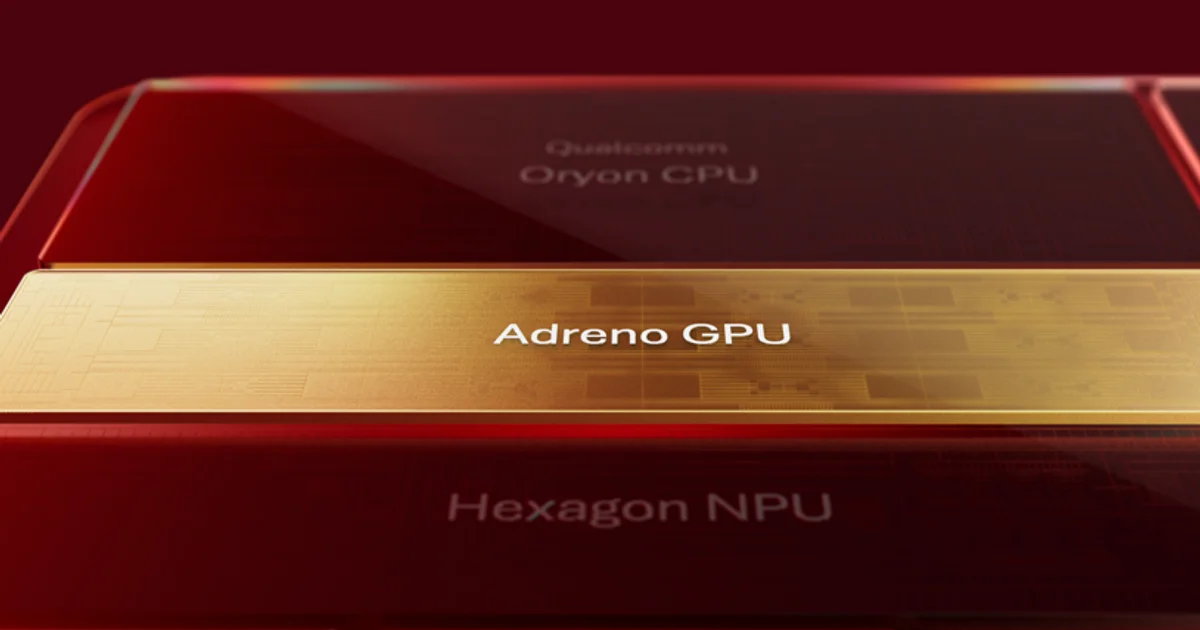
Start by rendering at half resolution
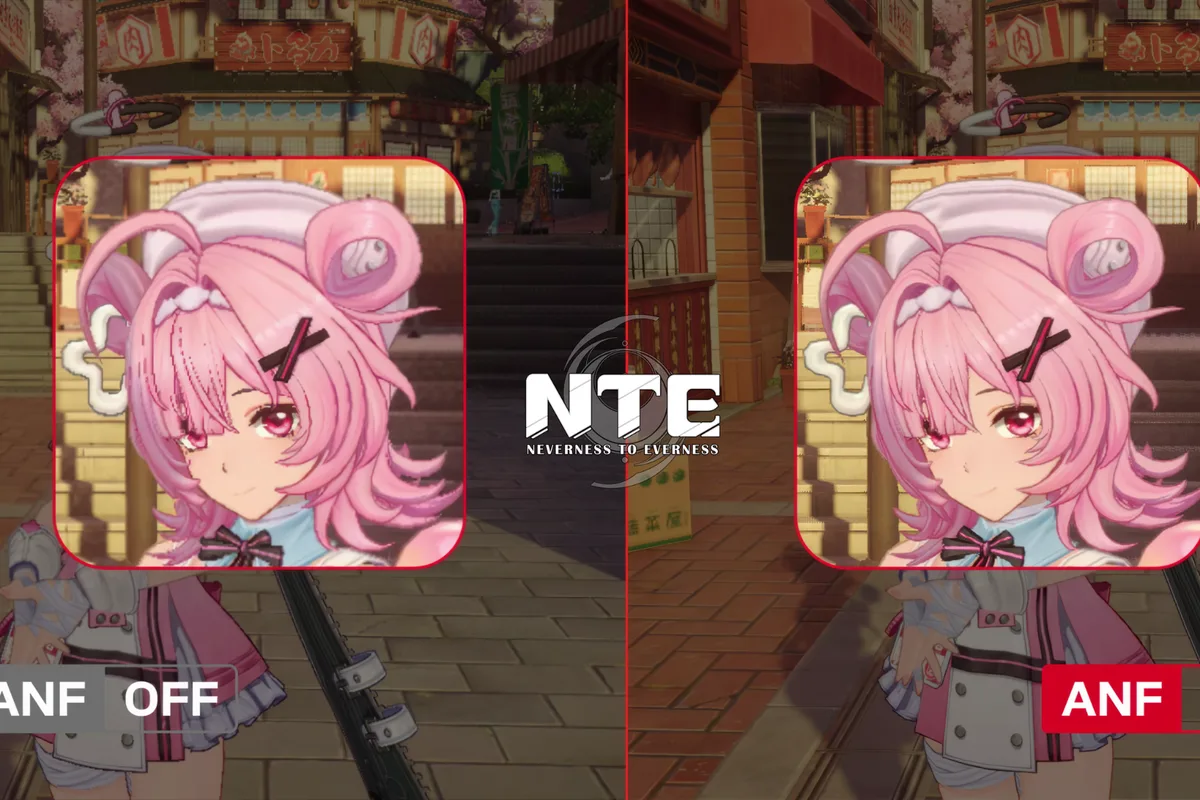
Adreno Neural Fusion Super Resolution reconstructs a full-resolution image from a half-resolution jittered input. The model receives color, depth, motion vectors and the current projection jitter, accumulating subpixel information across multiple frames instead of treating each frame as an isolated image.
Accurate motion vectors are critical. Qualcomm requires full-scene coverage, including static geometry, so historical samples can be reprojected to the correct location. Incorrect vectors can turn temporal history into visible ghosting rather than useful detail.
Post-processing and UI are deliberately kept outside the reconstruction input. Super Resolution works on the scene before tone mapping, while screen-space UI is composited later at full resolution. Neural reconstruction may be the headline, but mundane pipeline ordering still decides whether the result holds together.
Frame Generation doubles presentation, not simulation
The second half of ANF is temporal Frame Generation. It takes two consecutive full-resolution frames and synthesizes the midpoint between them. The initial SDK generates one interpolated frame for every genuinely rendered frame.
When both techniques are active, Qualcomm says a game can render at half resolution and submit half as many real frames while producing full-resolution output at twice the submitted frame rate.
That does not mean the game simulation suddenly runs twice as fast. Qualcomm's own documentation states that Frame Generation carries one additional rendered frame's worth of input latency. The generated midpoint can make motion appear smoother, but it does not contain a newly sampled player input.
Matrix Cores keep neural work inside Adreno
On supported hardware, ANF inference runs on dedicated Adreno Matrix Cores built directly into the GPU. Snapdragon has used matrix acceleration elsewhere before, but this generation puts dedicated matrix hardware where the rendered frame data already resides.
The architecture pairs those units with 18MB of Adreno High Performance Memory. Intermediate tensors and reconstruction state can remain in this on-chip pool rather than repeatedly spilling into system LPDDR, reducing memory traffic for models that have to execute every frame.
That locality matters more in a phone than another impressive peak number might suggest. Lower internal resolution reduces shading work and memory-bandwidth pressure. Qualcomm's objective is to slow thermal buildup and power consumption so sustained GPU clocks can last longer.
Temporal rendering still has ugly edge cases
Qualcomm's developer material does not pretend every frame is easy to reconstruct. Disoccluded geometry, changing illumination, flickering particles and transparent surfaces can invalidate temporal history. Frame Generation is also sensitive to motion-vector precision, particularly during rapid movement where midpoint estimation errors become visible.
The SDK therefore includes debugging views for motion vectors, depth, warping, reprojection and jitter accumulation. Developers still have to feed the model coherent data and place each operation correctly in the rendering pipeline.
Vulkan, Unreal Engine and Unity 6.6+
Qualcomm packages ANF with Vulkan integration resources, Unreal Engine plugins covering UE5 versions, support for Unity 6.6 and later, and Snapdragon Profiler tooling. The SDK is available now for developers.
Qualcomm says ANF supports Snapdragon 8 Elite Gen 6 and above, with broader platform support planned later. Hardware with Adreno Matrix Cores runs inference directly on those GPU units; devices without them can use GPU-NPU interoperability, with the framework selecting an appropriate path.
The demos are here; retail phones are the harder test
At Snapdragon Summit 2026, Qualcomm showcased Adreno Neural Fusion across Naraka: Bladepoint Mobile, Neverness to Everness, Roco Kingdom: World and Silver Palace. The company says more than 20 partners are involved with the technology.
DigitalToday also reported measurements from Qualcomm's own benchmark running on a Snapdragon 8 Elite Extreme Gen 6 reference handset. With Neural Fusion, the demonstration moved from 17.7fps to 49.2fps. A separate matched scenario reduced measured SoC power from 6.2W to 1.1W. Those are notable demonstration figures, but they come from Qualcomm reference hardware and a Qualcomm-developed benchmark rather than a shipping game on a retail phone.
That distinction is where ANF becomes interesting rather than magical. Rendering fewer pixels and fewer native frames can give a thermally constrained mobile GPU valuable headroom, but image stability, motion-vector quality, engine integration and latency still determine whether players notice the reconstruction for the right reasons. The best version of Neural Fusion will probably be the one users stop noticing.