
 By Tsuky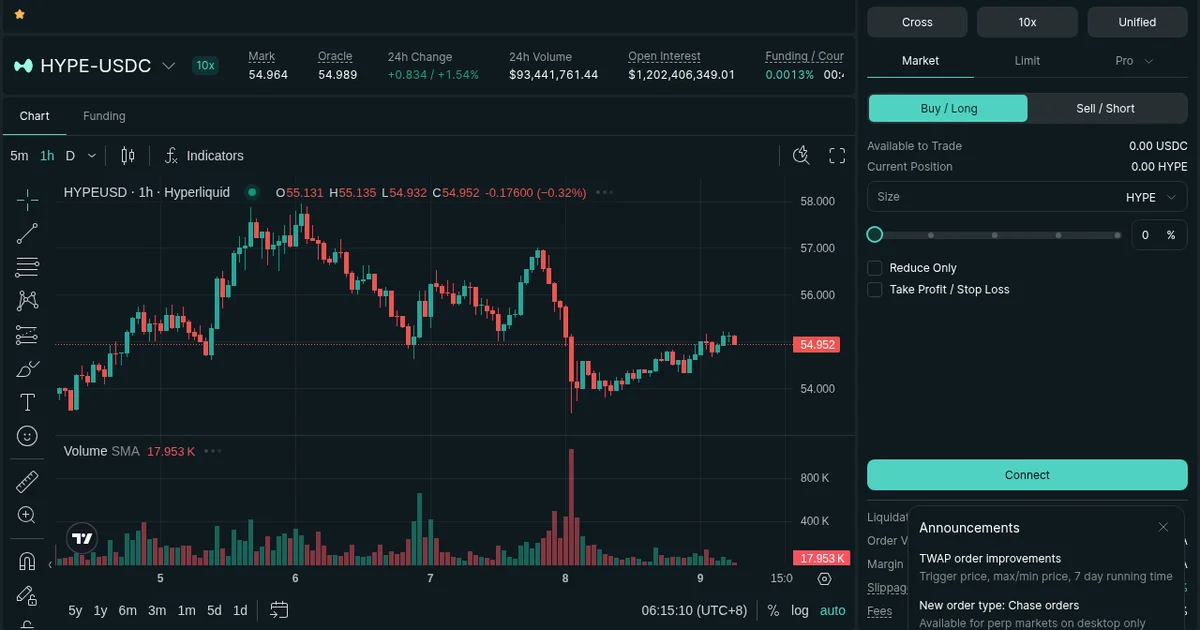
Bitcoin ETFs just had their biggest inflow day since January
US spot Bitcoin ETFs attracted $730.9 million in net inflows on September 3, the strongest single session since January 14.
BlackRock's IBIT accounted for roughly $454 million. Six other funds, including products from Fidelity and Grayscale, also recorded positive flows.
The move followed an August in which US Bitcoin funds collected about $3.5 billion, their strongest month since September 2025.
Macro conditions helped. Federal Reserve Governor Christopher Waller delivered comments that reduced immediate fears of tighter policy, and Bitcoin subsequently moved back above $81,000 before settling around the $80,000 area.
One strong ETF session cannot establish a durable allocation trend by itself. It does show where a meaningful share of large-scale Bitcoin demand can now enter the market: through ordinary regulated securities infrastructure.
Zcash crossing $1,000 comes with an institutional twist
ZEC traded as high as roughly $1,023 on September 4, excluding the extreme price distortions seen around its first exchange listings in 2016.
That put its monthly gain near 94 percent and its market capitalization close to $17 billion.
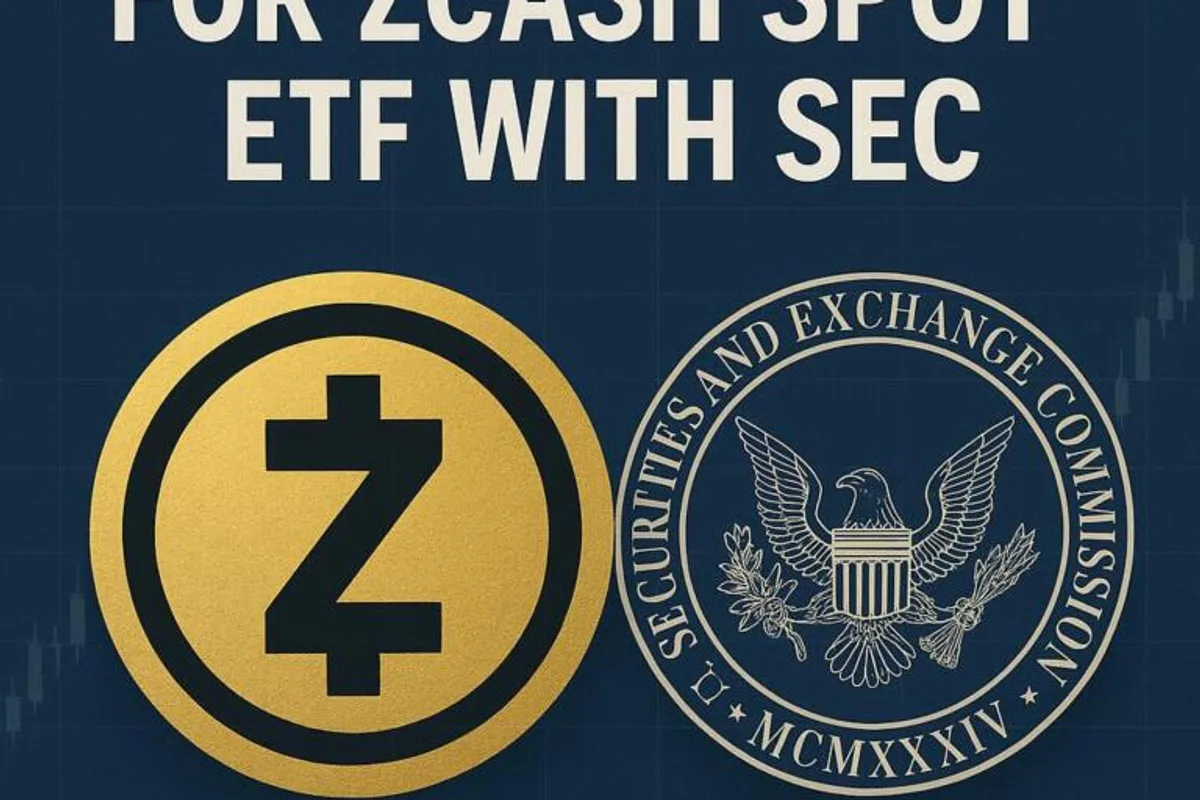
Grayscale launched ZCSH on NYSE Arca on August 25 by converting its existing Zcash Trust into an ETF.
The fund had accumulated at least $34.4 million in net inflows by September 4. Available data for the final two days was incomplete, so the actual total may have been somewhat higher.
September 2 alone brought in $12.6 million.
Higher ZEC prices are bringing more miners, too
Zcash network computing power moved from roughly 25 GSol/s in late August to briefly above 30 GSol/s.
That extra competition matters. Estimates for Bitmain's Antminer Z15 Pro placed gross mining revenue around $708 per MWh, approximately 3 percent below its August 24 level even with ZEC trading at a higher price.
Rising token prices and rising miner profitability are not the same metric.
South Korea is planning tokenized securities in three phases
South Korea's Financial Services Commission published its roadmap on September 4 after the third meeting of a public-private consultative body on security tokens.
The objective extends far beyond fractional investment products. The regulator explicitly wants infrastructure capable of handling conventional stocks, bonds and funds.

Amendments to the Electronic Registration Act take effect on February 4, 2027, legally recognizing tokenized securities as digitized forms of securities.
Phase one will begin with private money-market funds and bonds for institutional investors, tokenized trust structures representing unlisted shares, and publicly offered fractional-investment securities.
The final stage introduces on-chain settlement and stablecoins
If the initial infrastructure proves stable, phase two will expand tokenization to publicly offered conventional securities more broadly.
Phase three targets on-chain payment and settlement infrastructure connected to stablecoins.
The regulator has deliberately left the timing of those later stages flexible. Their rollout will depend on results from phase one, technological development and South Korea's pending stablecoin legislation.
Existing licensed securities firms will generally be able to handle tokenized securities without obtaining a completely separate authorization simply because distributed-ledger technology is involved.
Hyperliquid starts from the other side of the wall
South Korea is adapting conventional securities to blockchain infrastructure. Hyperliquid presents the reverse challenge: adapting a crypto-native trading architecture to conventional regulation.
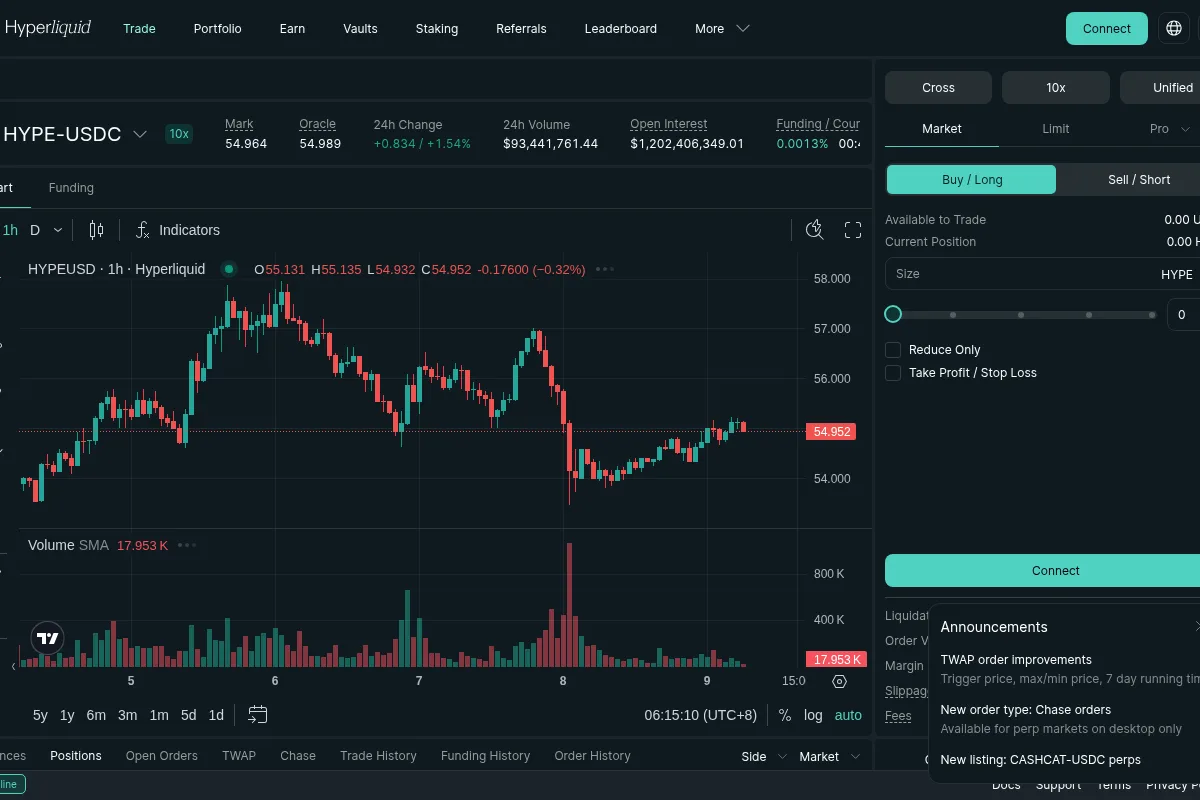
President Donald Trump said in August that he wanted the CFTC to work toward bringing Hyperliquid into the United States.
That does not necessarily mean opening the existing Hyperliquid venue directly to US traders.
One possible structure could involve regulated intermediaries using elements of Hyperliquid's technology, liquidity or market design. Kraken and Bitnomial have been discussed among the possible participants in such arrangements.
Perpetual futures make the regulatory engineering difficult
Hyperliquid's perpetual contracts do not map neatly onto every part of the existing US market structure.
The CFTC is the natural regulator for derivatives, while the SEC could become relevant through custody, underlying assets and routing arrangements. Any viable structure would need clear rules around where customer assets sit and which regulated entity is responsible for execution.
No direct US launch of the existing Hyperliquid exchange has been confirmed. For now, this remains a regulatory direction and a set of possible structures.
The common thread is not decentralization
Bitcoin ETFs deliberately remove direct Bitcoin custody from the investor experience. ZCSH does the same for Zcash. South Korea wants conventional securities law to remain intact while the underlying infrastructure becomes more digital. A regulated Hyperliquid arrangement would probably add intermediaries around technology that originally emerged outside that model.
That is a very different story from blockchains simply replacing banks and exchanges.
What is emerging instead is a hybrid market: regulated wrappers for crypto assets, tokenized versions of traditional assets and crypto-native market technology being modified until regulators can fit it inside existing financial responsibilities.
Four separate stories landed within roughly a day of one another. That timing says quite a lot.