
 By Tsuky
Gamers Nexus, Level1Techs and independent security researchers recently examined retail LG OLED televisions and reported extensive network activity, device discovery and data collection behavior.
The resulting headlines quickly moved toward a much more alarming idea: an LG television could supposedly listen to conversations even when it appeared to be switched off. That claim needs considerably more qualification than the underlying tracking findings.
ACR really can identify what is on the screen
Automatic Content Recognition creates fingerprints from content passing through a television and compares them with reference databases. That makes it possible to identify programs, advertisements and other material being watched.
This is not limited to streaming apps built into the television.
In separate testing, RTINGS detected identifiable ACR-related traffic from an LG G5 across several usage scenarios, including built-in applications, USB playback, idle operation and HDMI sources. Activity was particularly noticeable during HDMI testing with devices such as a PS5 and a laptop.
Using an external console or computer therefore does not automatically place everything shown on the television outside the reach of TV-level content recognition when ACR is enabled.
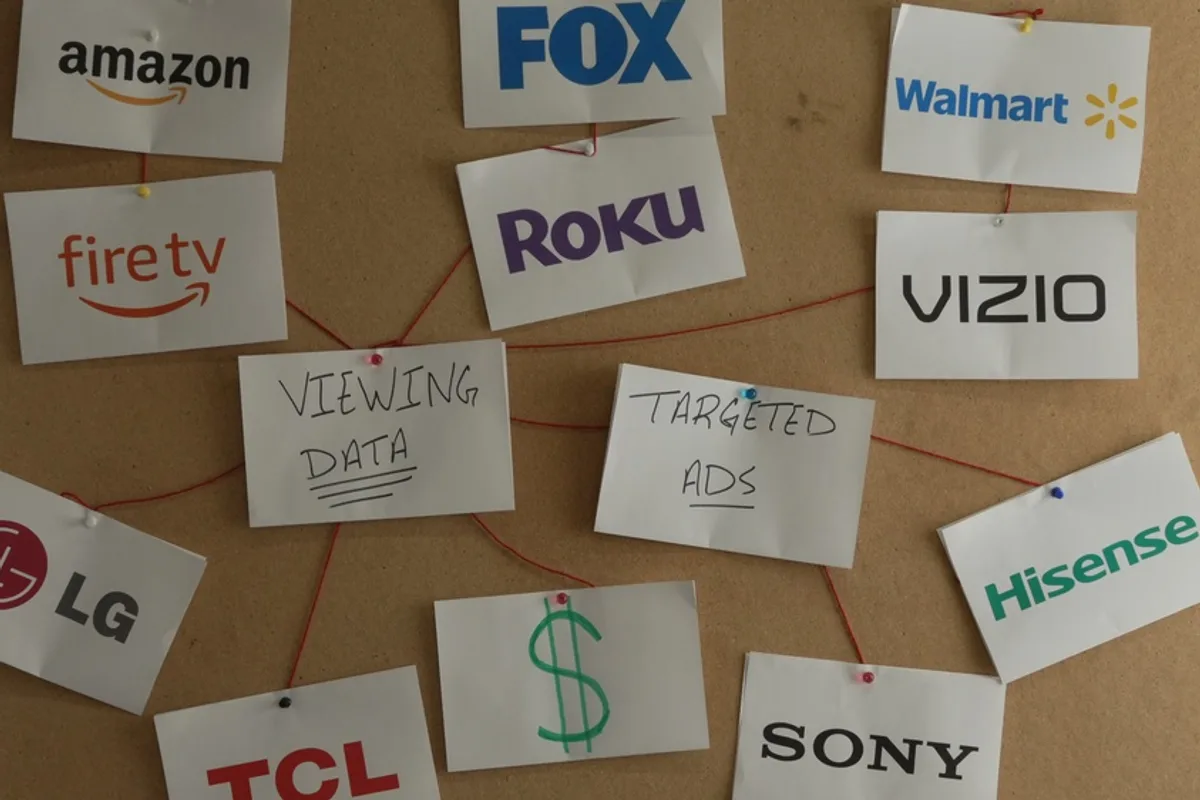
LG says the system is optional
LG does not dispute that its televisions support ACR. Its official response says the feature is optional and is not enabled by default.
The company describes its implementation as audio fingerprinting performed using the television's internal processing. LG says ACR does not require screenshots, screen recordings, video recordings or complete voice recordings to identify the content.
RTINGS found that privacy controls could have a measurable effect. On televisions where ACR traffic could be clearly identified, withdrawing consent or switching off the relevant option stopped or substantially altered that traffic.
The television can also inspect its local environment
The Gamers Nexus investigation reported LG televisions discovering devices on local networks and gathering information about nearby Wi-Fi networks.
LG says this is part of standard functionality used for device connectivity, content sharing and smart-home integration. A connected television does need discovery mechanisms if it is expected to find phones, speakers and other compatible hardware.
The privacy question is not whether network discovery exists. It is how much resulting information is retained, combined or used beyond the immediate feature that required it.
The microphone allegation is more complicated
Researchers demonstrated that a compromised television could use its microphone to capture audio, including under standby conditions. That is an important security finding because it illustrates what an attacker may be able to do after gaining control of a device that already has access to a microphone.
It is not proof that ordinary, uncompromised LG televisions routinely record ambient conversations.
LG says speech processing begins only when a user presses a voice button or when an enabled far-field feature detects a supported wake word. According to the company, wake-word analysis occurs locally and audio that does not contain the wake word is not converted to text, stored or transmitted.
Malwarebytes similarly updated its coverage to distinguish the compromised-TV demonstration from claims about normal product behavior.
The less dramatic privacy issue is already substantial
Even without assuming that a television is secretly archiving every conversation in the room, smart TVs remain sophisticated data platforms.
They can process viewing information, app activity, advertising identifiers and technical telemetry. Streaming applications add their own logging and analytics on top of anything performed by the TV manufacturer.
That increasingly reflects the economics of the category. A television can continue generating value after the hardware sale through advertising, recommendations, services and audience data.
LG already faced regulatory pressure over ACR
In May 2026, the Texas Attorney General announced an agreement with LG concerning viewing information collected through ACR.
The agreement requires clearer disclosure and a straightforward way for affected users to opt out of viewing-data collection. It is a useful reminder that much of the dispute around smart-TV tracking is ultimately about meaningful consent rather than the mere existence of connected features.
There are ways to reduce the amount of data leaving the television
Users concerned about tracking should inspect the television's privacy agreements and connected-service controls rather than accepting every setup option automatically.
- Disable ACR or viewing-information collection if you do not want the TV identifying displayed content.
- Turn off personalized advertising and recommendation features you do not use.
- Disable voice recognition if voice control is unnecessary.
- Place smart TVs and other IoT hardware on a separate guest or IoT network where practical.
- Keeping the television offline and treating it purely as an HDMI display offers the strongest way to stop the manufacturer itself from sending viewing data from the TV.
An external streaming device is not automatically a privacy escape hatch. It often moves the same relationship to Roku, Amazon, Google, Apple or another platform, each with its own telemetry and privacy controls.
The useful conclusion is less cinematic than the idea of a television secretly listening from the corner of the room. A smart TV is already a connected advertising and data platform. That alone is enough reason to spend five minutes in its privacy menu.