
 By Camille
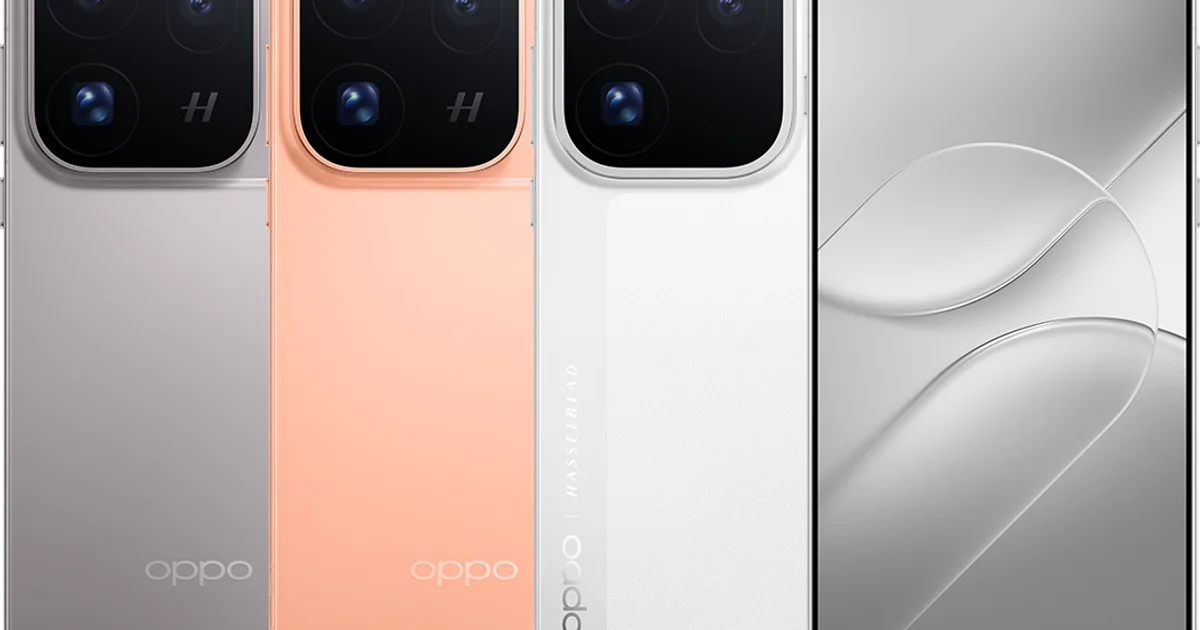
Three 200-megapixel cameras on one smartphone. That is the headline specification of the OPPO Find X10 Pro Max, but the company's latest flagship strategy extends well beyond image resolution.
OPPO is combining a Hasselblad-developed camera system with advanced MediaTek processors, large batteries and premium displays.
Following the October 21 global launch, the Find X10 and Find X10 Pro Max became available for purchase in India on October 29.
Customers can buy the phones through OPPO's official Indian store, Amazon India, Flipkart and participating retail outlets.
The local lineup includes two models. Other Find X10 variants discussed for different markets are not part of this initial Indian offering.
Official Indian pricing starts at INR 139,999
The standard Find X10 costs INR 139,999 with 12GB RAM and 256GB storage.
A 12GB and 512GB configuration is priced at INR 169,999.
The Find X10 Pro Max is available in one Indian configuration: 12GB RAM and 512GB storage for INR 199,999.
The listed prices are inclusive of applicable taxes.
OPPO is also offering selected bank discounts, exchange benefits and installment-payment options.
Some promotions mention instant cashback of up to 15%, depending on the bank and eligibility conditions.
These incentives should not be treated as universal reductions available to every customer.
The effective purchase price depends on the payment method, promotional terms and any accepted trade-in.
The price gap between the standard phone and the Pro Max is significant, making it important to examine what the more expensive model actually adds.
Find X10 combines two 200MP cameras with a smaller display
The standard Find X10 uses a MediaTek Dimensity 9600M processor manufactured on a 3nm-class process.
It has a 6.59-inch AMOLED display and a camera system co-developed with Hasselblad.
The rear arrangement includes a 200MP main camera, a 200MP periscope telephoto camera with 2.8x optical zoom and a 50MP ultrawide camera.
The front-facing camera also has a 50MP sensor.
The main rear sensor is approximately 1/1.4 inches, with an f/1.6 aperture.
The telephoto camera uses a 1/1.56-inch sensor and an approximately 65mm equivalent focal length.
Those specifications make the standard phone more interesting than a device relying on a single high-resolution primary camera.
However, a 200MP sensor does not mean that every photo is necessarily saved at that resolution.
Pixel binning and computational photography may produce smaller images to improve low-light behavior and dynamic range.
OPPO's LUMO imaging technology is designed to improve color consistency and overall processing across the cameras.
Pro Max introduces a triple-200MP rear camera system
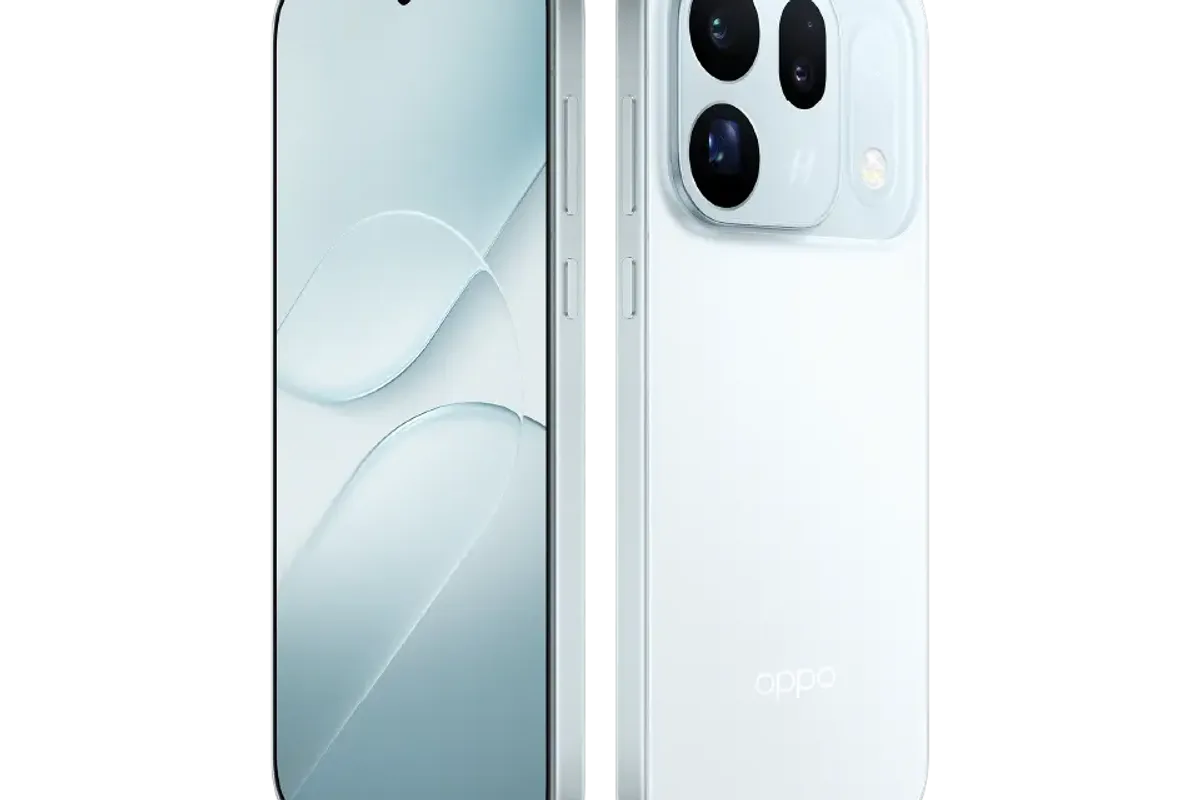
The Find X10 Pro Max takes the camera concept further with three 200MP modules.
These cover the main wide-angle camera, a periscope telephoto camera and an ultrawide camera.
The telephoto camera offers 3x optical zoom, while the ultrawide provides a substantially broader field of view.
Hasselblad contributes to the camera system's imaging and color-development approach.
A 50MP front-facing camera handles selfies and video calls.
Matching pixel counts do not mean the three rear cameras have identical sensors, optics or image quality.
Sensor dimensions, aperture, stabilization and image processing remain central to the final result.
A high-resolution image can provide useful cropping flexibility under good conditions, but pixel count alone does not guarantee better low-light photography.
Independent comparisons will need to evaluate image consistency between focal lengths, portraits, night scenes and video quality.
Two MediaTek processors establish the performance hierarchy
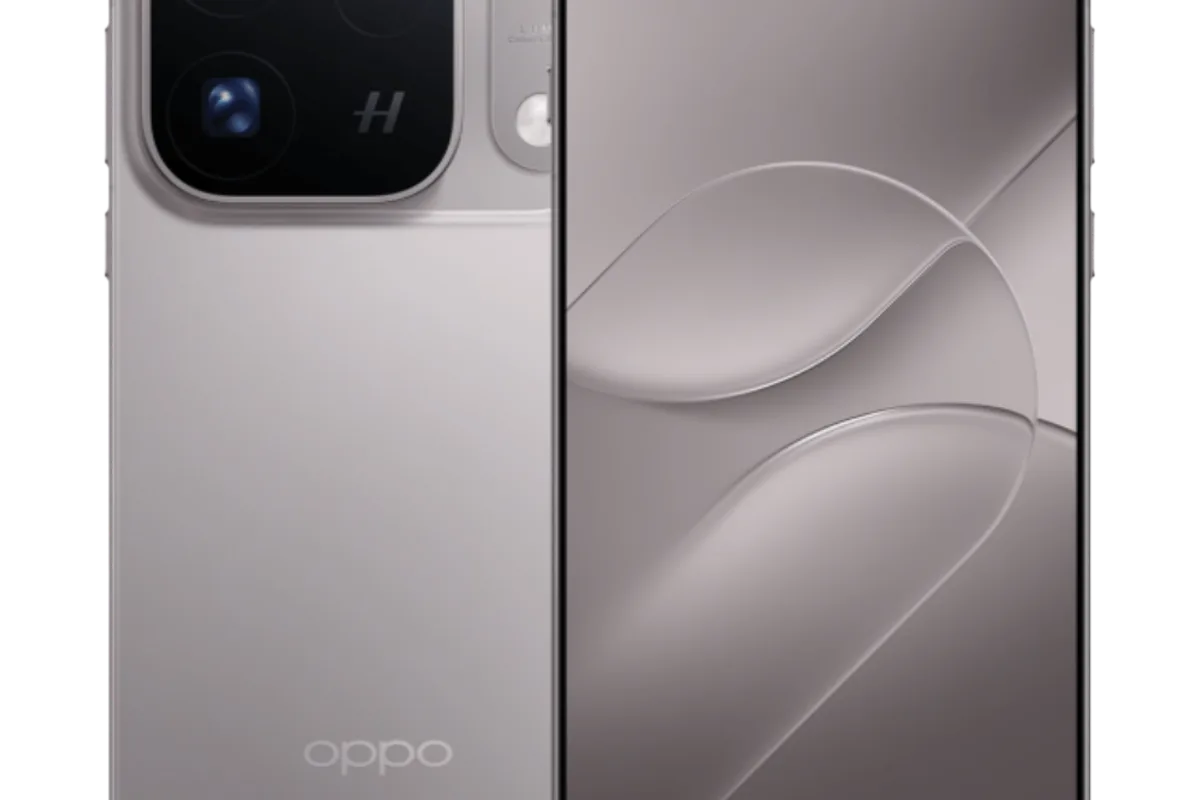
The Find X10 uses the Dimensity 9600M, while the Pro Max features the more advanced Dimensity 9600 Pro.
The Pro Max chip is built on a 2nm manufacturing process.
A more advanced process can contribute to better performance and power efficiency, but it does not determine the entire user experience.
CPU and GPU architecture, cooling design, software optimization and operating temperatures all affect real-world results.
The Pro Max has a 6.78-inch AMOLED panel with a resolution of 2772 × 1272 pixels.
It supports adaptive refresh rates up to 120Hz, with a maximum of 144Hz advertised for selected gaming scenarios.
The distinction matters: not every application or game will necessarily operate at 144Hz.
Both phones run ColorOS 17 based on Android 17.
OPPO also promotes AI-assisted features, including AI Mind Pilot for working with files, photos and supported device functions.
Availability may vary by region, language and connected services.
Both Indian models feature 8,000mAh batteries
One of the strongest practical features of the Indian Find X10 lineup is its battery capacity.
Both phones contain 8,000mAh silicon-carbon batteries.
The devices support 80W SUPERVOOC wired charging and 50W AIRVOOC wireless charging.
According to OPPO's stated conditions, a full wired charge takes approximately 85 minutes on the standard model and 80 minutes on the Pro Max.
Actual charging performance will depend on battery temperature, charger compatibility and simultaneous activity.
Large batteries may benefit users who frequently record video, take photographs, navigate or play demanding games.
However, rated battery capacity does not establish real-world endurance on its own.
Screen brightness, wireless connectivity, processor load and camera use can produce significantly different battery-life results.
There is also an international specification caveat.
OPPO states that selected markets receive 7,150mAh batteries rather than the 8,000mAh cells used in India.
Buyers should therefore check regional specifications before assuming every Find X10 has the same battery.
The Hasselblad teleconverter costs extra
OPPO offers a Hasselblad Teleconverter Kit designed to extend the phones' telephoto photography capabilities.
The accessory costs INR 24,999 in India and is sold separately.
It is not included automatically with the standard phone package.
The system is aimed at buyers interested in distant subjects, travel photography and other situations where longer focal lengths can be useful.
However, adding an external optical accessory also introduces weight, handling and compatibility considerations.
Customers planning to buy the complete photography setup should include the accessory cost in their overall budget.
Launch promotions vary by retailer and payment method
OPPO and its retail partners are offering bank promotions, exchange incentives and installment-payment arrangements.
Some offers allow customers to combine different benefits, subject to eligibility.
However, the maximum advertised savings may depend on the value and condition of a traded-in phone.
Promotional gifts may also be subject to stock limits.
A proper price comparison should distinguish the displayed selling price from cashback received later, the actual trade-in valuation and the total cost of any financing arrangement.
The lowest promotional figure should not be assumed to apply to every buyer.
India's availability does not establish European pricing
OPPO introduced the Find X10 series internationally on October 21 in Mallorca, Spain.
The October 29 development concerns retail availability in India, not a new global product announcement.
Indian prices cannot be converted directly into official retail prices for France, Germany or other European markets.
Taxes, configurations, battery capacities, distribution agreements and bundled accessories can differ by country.
Customers should rely on the specifications and commercial terms published for their particular market.
The INR 199,999 Pro Max price is an Indian retail price rather than a confirmed European price.
Which Find X10 offers the more practical value?
The standard Find X10 retains much of the series' appeal.
Its two 200MP rear cameras, large battery, fast charging and flagship-level processor make it an ambitious photography-focused phone.
The Pro Max adds a third 200MP sensor, a more advanced processor and a larger display.
Those upgrades may appeal to buyers who place greater importance on ultrawide photography, high-end performance and the largest available screen.
The price difference remains substantial.
Independent testing will be needed to determine whether the Pro Max's advantages translate into consistently better photos, sustained performance and battery life.
The Indian launch now moves both phones beyond the announcement stage into actual retail availability.
What remains to be established is whether their ambitious specifications provide enough real-world value to justify their premium pricing.