 By Adri
Selling a car without a steering wheel creates questions that conventional automakers rarely encounter. Who controls the vehicle if its automation fails? How does it comply with regulations originally written for human drivers? And what exactly is a customer buying when the vehicle has no manual driving interface?
Tesla wants to begin answering those questions commercially before the end of 2026.
During its third-quarter earnings call on October 21, Lars Moravy, Tesla's vice president of vehicle engineering, said the company was aiming to deliver Cybercabs to customers before the end of the year.
Moravy described a small initial rollout intended to help Tesla learn about customer ownership, fleet management and the operation of autonomous vehicles outside the company's direct fleet.
No firm general sales date, confirmed initial delivery volume or final retail price accompanied the announcement.
That distinction matters. Tesla has confirmed an objective, not the beginning of unrestricted consumer deliveries.
A vehicle designed without a human driver
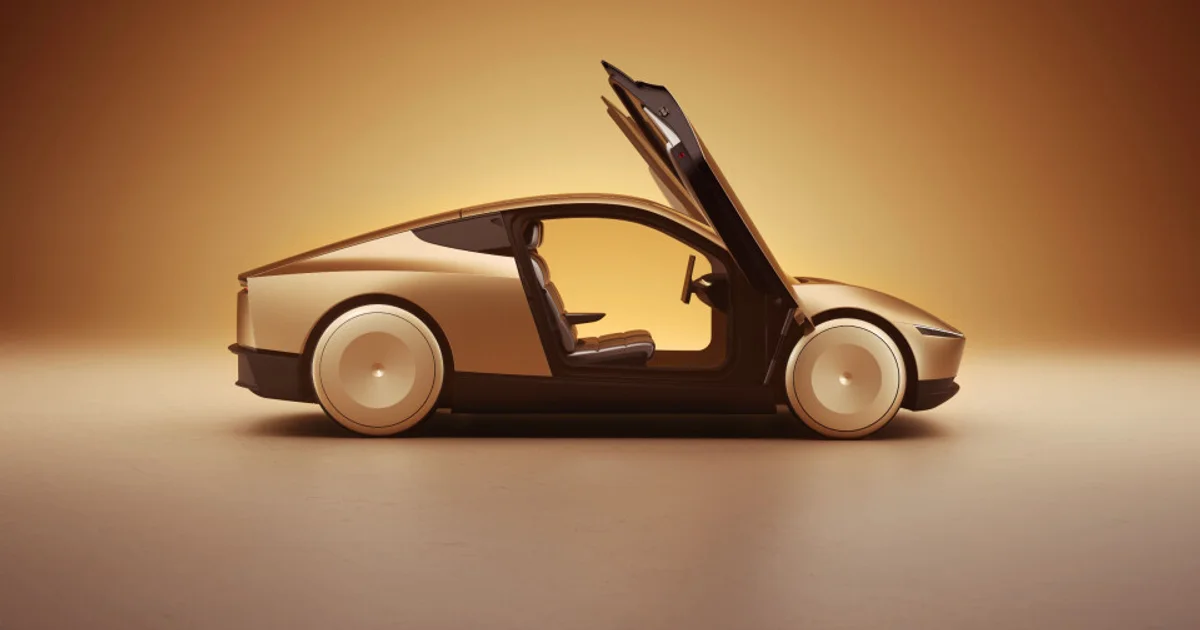
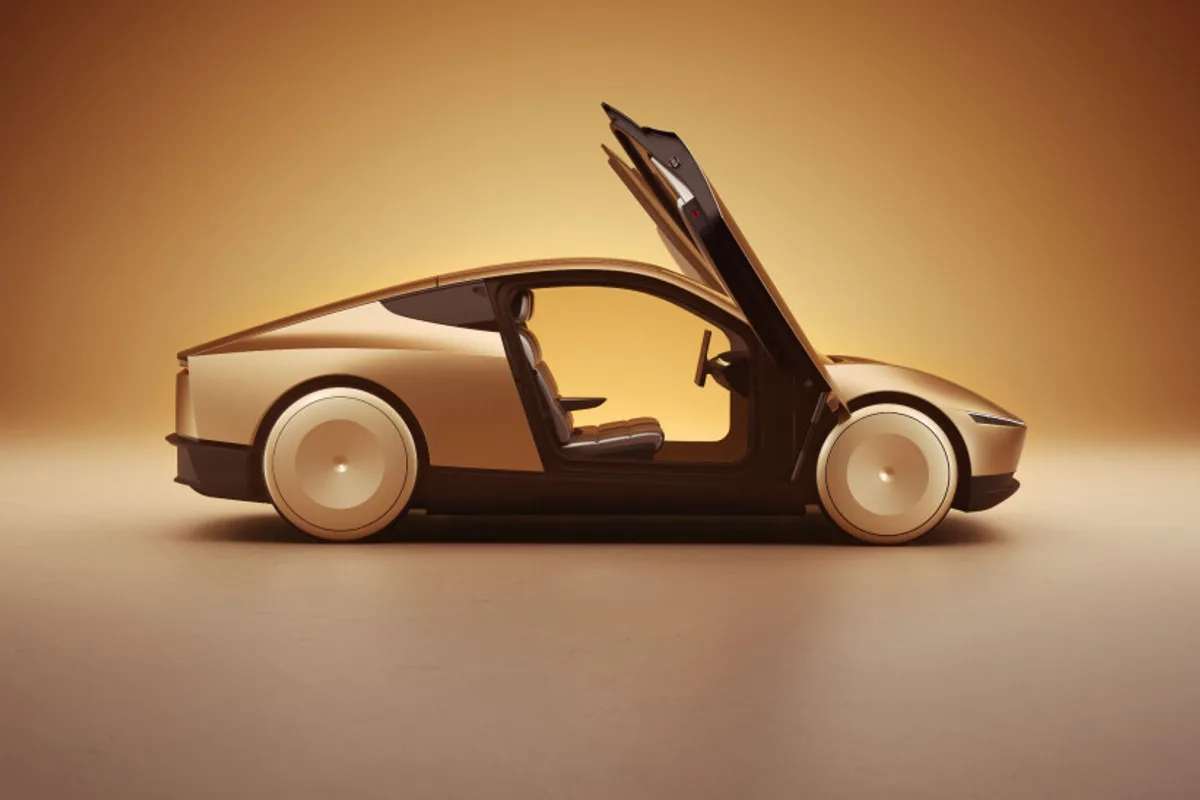
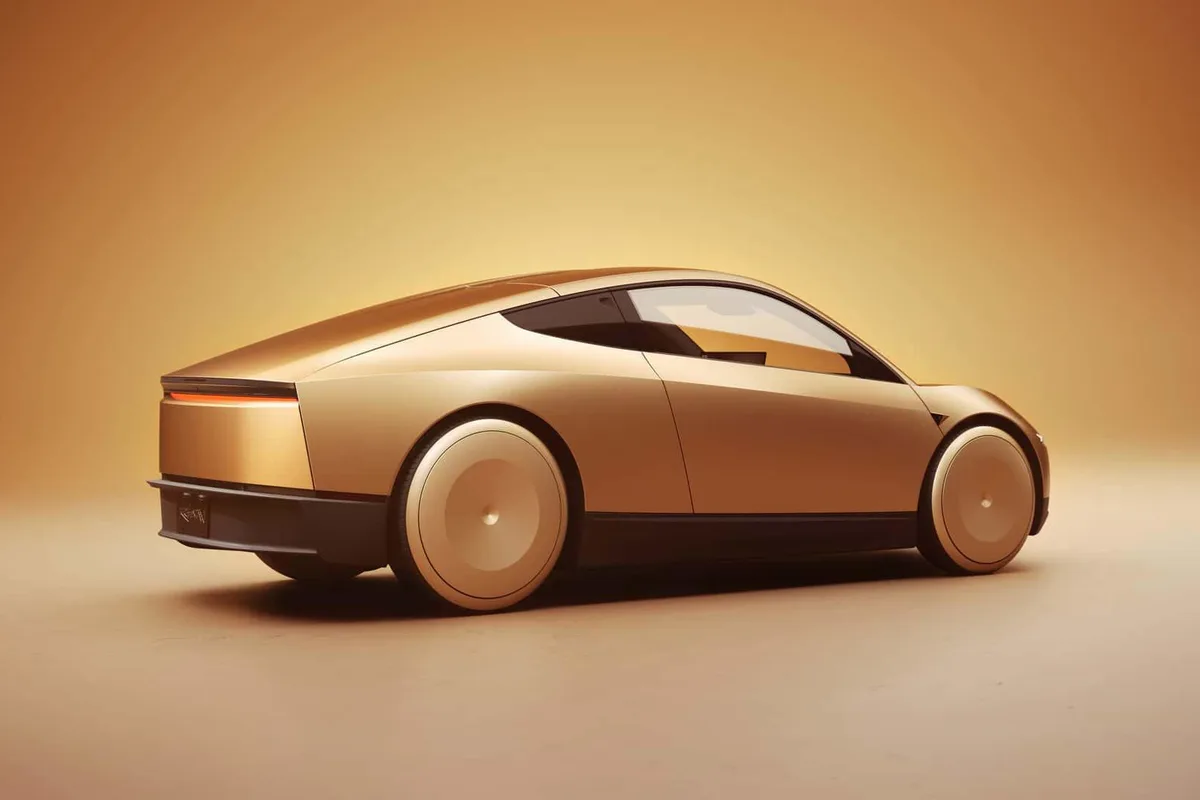
Cybercab is a purpose-built electric robotaxi with two seats, upward-opening butterfly doors and a distinctive gold body.
Its cabin has no steering wheel, accelerator pedal or brake pedal for a human driver.
The vehicle relies on Tesla's autonomous driving system, which uses camera-based perception and other onboard sensing and computing components to navigate its surroundings.
Tesla's official support documentation describes a central touchscreen, passenger entertainment features and comfort settings that can be controlled through its Robotaxi app.
The company says the luggage area can accommodate two standard checked suitcases and two carry-on bags.
Accessibility features include braille markings, supplemental audiovisual functions and seating designed to facilitate transfers from wheelchairs.
These features reflect the vehicle's intended use as a commercial passenger service rather than a conventional privately driven car.
The absence of manual controls is the central engineering and regulatory distinction.
In a conventional car equipped with driver assistance, a human remains available to take control. Cybercab passengers have no such option.
That places greater responsibility on the autonomous driving system and the procedures used when it encounters situations outside normal operating conditions.
Paid Cybercab rides began in Austin in September
Tesla has already moved Cybercab beyond prototype demonstrations.
Its third-quarter financial update confirms that passenger rides using Cybercab began on September 3, 2026, in Austin, Texas.
The service remains restricted to selected areas.
Passengers can use Tesla's Robotaxi app to request eligible rides, but Cybercab is not available across the entire United States.
Tesla's broader Robotaxi network also uses Model Y vehicles.
Different locations and vehicle configurations may involve different supervision arrangements, including human safety monitoring in some operations.
The distinction between the wider Robotaxi network and Cybercab availability is important because Tesla's network presence in a city does not necessarily mean Cybercab rides operate there.
According to Tesla's support information, Cybercab rides are currently available in limited areas of Austin.
The company plans to expand Cybercab operations to Dallas in November 2026.
That timetable was discussed by Ashok Elluswamy, who leads Tesla's autonomous driving development.
The Dallas expansion remains a forward-looking plan, rather than evidence that the service is already operating there with Cybercabs.
Federal safety standards are the immediate regulatory challenge
The National Highway Traffic Safety Administration opened an investigation in September into Tesla's determination that Cybercab complies with applicable federal motor vehicle safety requirements.
Many existing Federal Motor Vehicle Safety Standards were developed around vehicles operated by human drivers.
Some provisions assume conventional driving controls, mirrors and a designated driver's position.
Cybercab's architecture challenges those assumptions.
Unlike systems in which a driver can resume control, Cybercab provides no steering wheel or pedals for an occupant.
The NHTSA wants to understand the basis for Tesla's safety certification and how the company determined whether particular requirements apply to the vehicle.
US vehicle manufacturers generally self-certify compliance with applicable federal standards, subject to regulatory oversight and enforcement.
That system does not mean manufacturers can ignore existing rules when introducing unconventional vehicle designs.
Tesla has until October 30, 2026, to respond to the agency.
The investigation is not itself a finding that Cybercab is unsafe or noncompliant.
It does establish that the federal regulator is examining unresolved questions concerning the vehicle's conformity with existing requirements.
The NHTSA has proposed changes intended to better accommodate autonomous vehicles without manual controls.
Until applicable changes are finalized, current federal requirements remain in force.
Initial customer deliveries would not mean mass-market availability
Moravy's proposed rollout starts with limited numbers.
The objective is to establish practical experience involving vehicle ownership, customer operation and fleet management before expanding production and deliveries.
Tesla has not identified how many Cybercabs it expects to deliver to third-party customers in 2026.
CEO Elon Musk also told investors that the vehicle would primarily remain Tesla-owned and operate within the company's ride-hailing service.
These statements can coexist.
Tesla could deliver a limited number of units to external customers while continuing to own and operate most Cybercabs in its Robotaxi network.
The company has not provided a final breakdown between external ownership and vehicles retained in its fleet.
Tesla's website currently allows prospective buyers interested in an individual vehicle or a commercial fleet to submit an inquiry form.
Such a form is not the same as a confirmed purchase order with a guaranteed delivery date and established final pricing.
For prospective customers, the distinction between expressing interest, placing an order and receiving a legally operable vehicle remains essential.
Manufacturing progress does not settle deployment requirements
Tesla executives appear confident about their ability to scale Cybercab manufacturing.
Elluswamy described the vehicle as relatively straightforward to produce at larger volumes, provided the necessary regulatory conditions are met.
Tesla previously confirmed that Cybercab production had begun in Texas.
Its second-quarter report described manufacturing activity and engineering test drives involving production vehicles.
The third-quarter report adds a further milestone: Cybercabs carrying passengers through the company's Austin Robotaxi service.
These are meaningful development and manufacturing steps.
They do not establish the number of vehicles Tesla can produce annually or how many it can deliver to individual customers before December.
A rapidly scalable manufacturing process is only one part of a robotaxi business.
The vehicles must also meet relevant safety requirements, operate reliably within their designated areas and have a support infrastructure for maintenance and incident response.
Industrial production capacity and regulatory authorization are separate constraints.
Cybercab should not be confused with supervised FSD
Tesla's Full Self-Driving software is widely available on its conventional consumer vehicles in the markets where it has received the necessary approvals.
However, the product labeled Full Self-Driving (Supervised) still requires active driver supervision.
Tesla explicitly states in its financial materials that this feature does not make a vehicle autonomous.
Cybercab has a different operating objective.
It is designed to move passengers without a human driver able to take over through manual controls.
Tesla reported that more than 75% of its new North American vehicle deliveries during the third quarter included its supervised FSD offering, according to the company's reported adoption measure.
That figure demonstrates commercial interest in driver assistance technology.
It is not evidence that Cybercab has been validated for unrestricted operation in every environment.
Autonomous driving performance depends on numerous factors, including weather, road conditions, unusual traffic behavior and the limitations of the system's operational domain.
A centrally managed fleet operating in a carefully selected service area can apply standardized maintenance, monitoring and software procedures.
Privately owned vehicles introduce additional requirements around insurance, maintenance, ownership responsibilities and operational compliance.
Tesla must address these differences as it moves beyond company-controlled fleets.
Tesla's customer-owned Robotaxi network remains a 2027 objective
The company is also pursuing a separate plan that could allow eligible Tesla owners to contribute their own vehicles to its Robotaxi network.
During the earnings discussion, Elluswamy pointed to the second quarter of 2027 as a target for introducing this capability.
The planned functionality would depend on compatible vehicles, suitable software and geographic operating restrictions.
It is not a service currently available to every Tesla owner.
A customer-owned vehicle operating commercially would create further questions about insurance, cleaning, maintenance, vehicle wear and how revenue is shared between the owner and Tesla.
These challenges are distinct from the engineering involved in producing Cybercab.
The planned 2026 Cybercab deliveries concern a purpose-built autonomous vehicle.
The proposed 2027 network expansion involves allowing certain existing consumer vehicles to participate in a transportation service.
Both depend on progress in autonomous driving technology and the applicable regulatory framework.
October 30 is the next concrete milestone
Tesla now has three important dates in its stated plans.
October 30 is the deadline for responding to the NHTSA's questions concerning Cybercab compliance.
November is the company's target for expanding Cybercab operations to Dallas.
The end of December is the target for the first customer deliveries.
These milestones carry different levels of certainty.
The NHTSA response deadline is an existing procedural requirement. The proposed Dallas expansion and initial sales are commercial and operational objectives that remain dependent on execution and regulatory conditions.
Cybercab is already carrying passengers in a limited part of Austin, making it more than a static prototype.
But operating a restricted service is not equivalent to demonstrating unrestricted roadworthiness or general consumer availability.
Tesla's next challenge is to show that a vehicle designed without human driving controls can transition from a controlled fleet deployment to a product owned and operated by outside customers.
As of October 22, 2026, customer deliveries before year-end remain Tesla's stated goal. They are not yet confirmed completed sales.