
 By Camille
Sony and TCL moved beyond January's memorandum of understanding on March 31, when they signed legally binding definitive agreements. Sony will create a wholly owned preparatory company, transfer its home-entertainment operation into it and then allow TCL to subscribe for enough shares to hold a 51% majority.
Sony keeps the remaining 49%. BRAVIA Inc. is expected to become a consolidated subsidiary of TCL Electronics and an equity-method affiliate of Sony.
The joint venture inherits much more than TV assembly
BRAVIA Inc.'s scope runs from product development and design through manufacturing, sales, logistics and customer service. Consumer BRAVIA TVs are only one part of it. Sony's B2B flat-panel displays, professional LED displays, projectors, home-theater systems and other home-audio components are included as well.
The operation is intended to be global, with headquarters inside Sony City Osaki in Tokyo. Sony veteran Kazuo Kii is the planned chairperson and CEO, alongside joint COOs and directors drawn into a management structure built around both companies.
That makes the 51/49 split more nuanced than a conventional brand-licensing agreement. TCL has the majority stake, but Sony remains directly invested in the company that will design, sell and support Sony-branded home-entertainment hardware.
TCL's biggest contribution is the industrial stack behind the panel
The official language is unusually useful here. Sony identifies high-quality picture and audio technology, premium brand value and operating expertise as its core contributions. TCL brings display technology, manufacturing scale, cost efficiency and a vertically integrated supply chain.
Those are complementary strengths in a TV market where panel sourcing and manufacturing scale have an enormous effect on final pricing. TCL has built a much deeper display-manufacturing footprint than a traditional TV brand that buys major components from external suppliers.
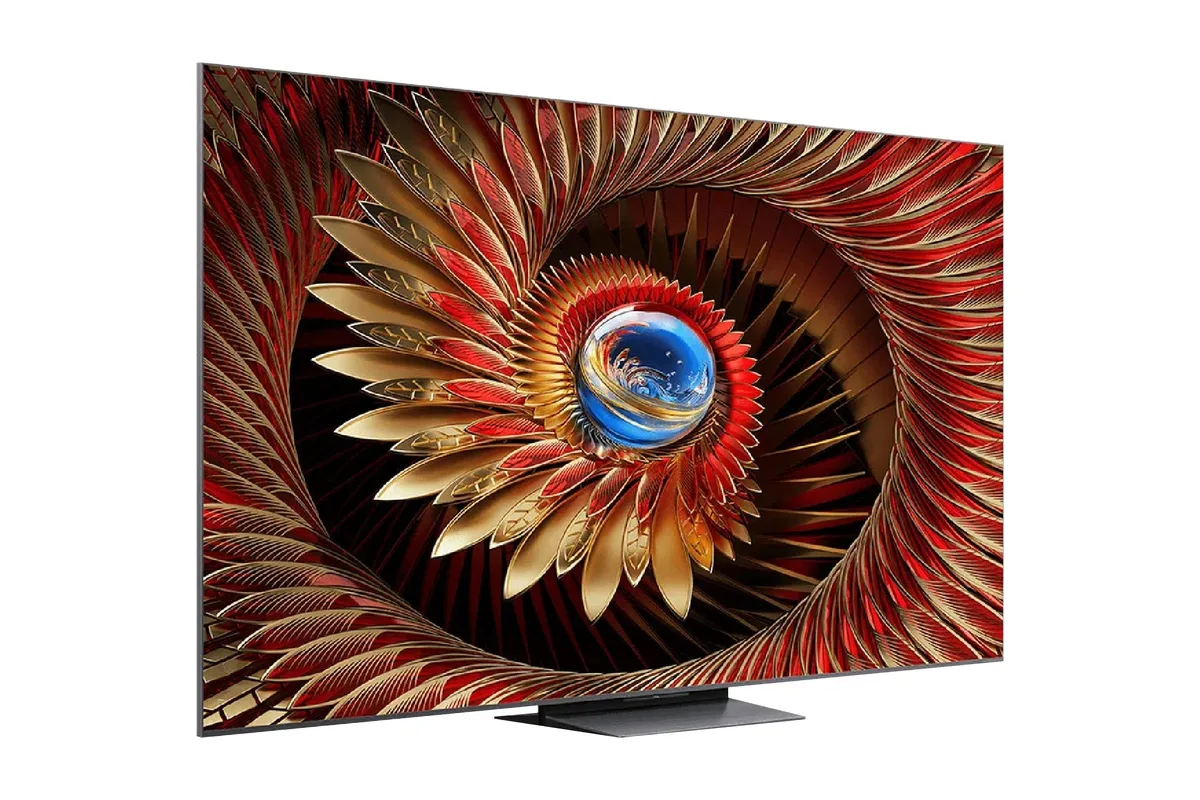
Current TCL televisions should not be treated as previews of future Sony BRAVIA models. They do show the kind of hardware ecosystem TCL already operates, including Mini LED backlights and CSOT-linked HVA panel technology.
The binding agreement does not specify which panels a 2027 BRAVIA will use, how Sony's picture-processing stack will be divided from TCL's platform work, or what the first BRAVIA Inc. product lineup will cost. Those details have not been announced.
Sony and BRAVIA branding survives the corporate change
Sony and TCL explicitly say products from the new company are expected to carry the Sony and BRAVIA names. A customer walking into a store after the transition should therefore still see Sony BRAVIA televisions rather than a replacement TCL sub-brand.
What changes is the organization underneath that badge. Development, manufacturing and the rest of the product chain move into a company in which TCL is the majority shareholder.
The distinction matters because it leaves room for genuinely Sony-specific technology to survive inside a much larger TCL manufacturing system. Exactly how much of the eventual product experience remains unique to Sony will only become clear when hardware designed under BRAVIA Inc. reaches the market.
A Malaysian manufacturing business is moving directly to TCL
The deal also includes a separate transfer of 100% of Sony EMCS Malaysia to TCL. That subsidiary handles manufacturing functions for Sony's home-entertainment products, so the partnership reaches into physical production assets rather than stopping at ownership of the new joint venture.
A second manufacturing company, Shanghai Suoguang Visual Products, is still subject to discussion. Sony and TCL have said they may transfer all or part of Sony China's stake, but it is not included in the enterprise-value figure announced for the current transaction.
Sony values the businesses moving into BRAVIA Inc. together with Sony EMCS Malaysia at approximately 102.8 billion yen. TCL's consideration is currently estimated at roughly 75.4 billion yen, with the final amount subject to adjustments including net debt and working capital at closing.
The important date is April 2027
That is when BRAVIA Inc. is expected to begin operations. The transaction still requires relevant regulatory approvals and satisfaction of other closing conditions.
As of August 26, the current public investor-relations material from Sony and TCL does not show a later revision to the announced 51/49 ownership structure or the April 2027 target.
For buyers, that means the most consequential questions remain unanswered for now: panel strategy, OLED versus Mini LED positioning, pricing, model segmentation and how Sony's image processing will be implemented on hardware built within the new TCL-controlled structure.