
 By Kilam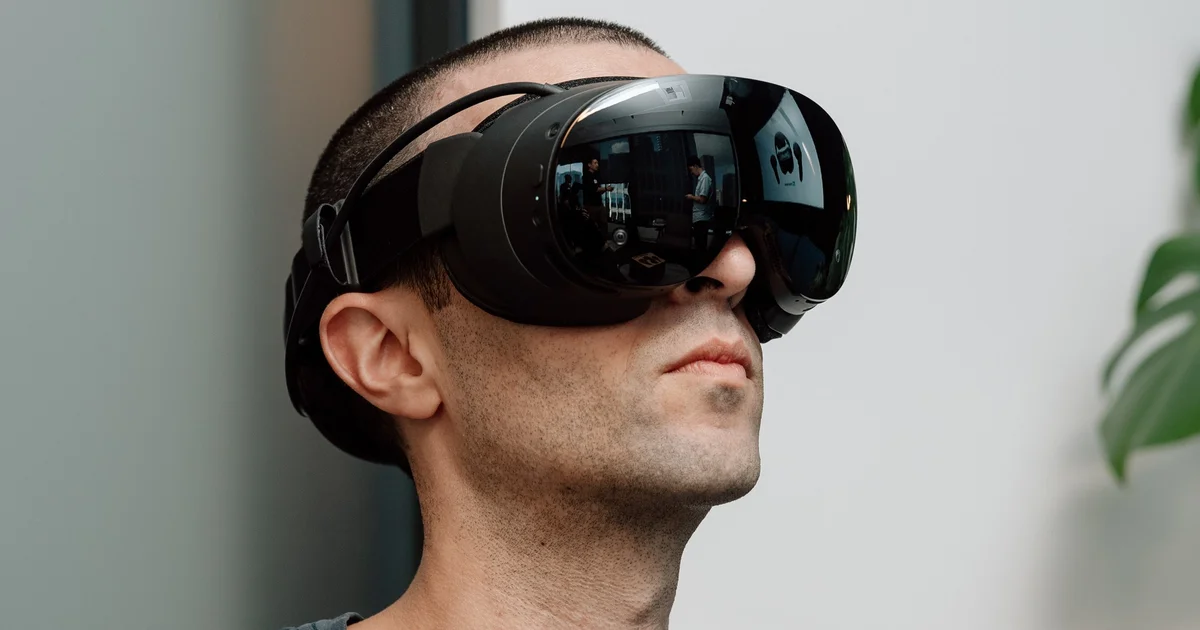
Valve released SteamOS 3.8.26 Beta on August 27 for users in the Beta and Preview channels. Its official notes describe the VR change narrowly: a workaround for an issue where Unreal Engine 5 VR games could display a blank right eye.
Valve does not identify the affected titles or explain the underlying rendering failure. There is therefore no basis for describing it as a general Unreal Engine 5 VR fix. What is clear is that VR-specific rendering behavior is now being handled directly inside Valve's SteamOS update cycle.
The changelog no longer looks like it belongs to one device
That pattern runs through the rest of 3.8.26. Valve fixed a Wi-Fi regression on the MSI Claw A1M, battery reporting issues on Lenovo Legion Go models and a resume freeze affecting MSI Claw systems with an SD card installed.
The previous 3.8.25 beta had already added preliminary support for the Steam Frame Wireless Adapter. It also brought the 2026 Steam Controller into SteamOS's built-in hid_steam driver so native applications can recognize it even when the Steam client is not running.
SteamOS is increasingly being maintained as an operating system for a hardware ecosystem rather than firmware-like software attached to the Steam Deck.
Steam Frame asks much more of SteamOS than a conventional VR headset
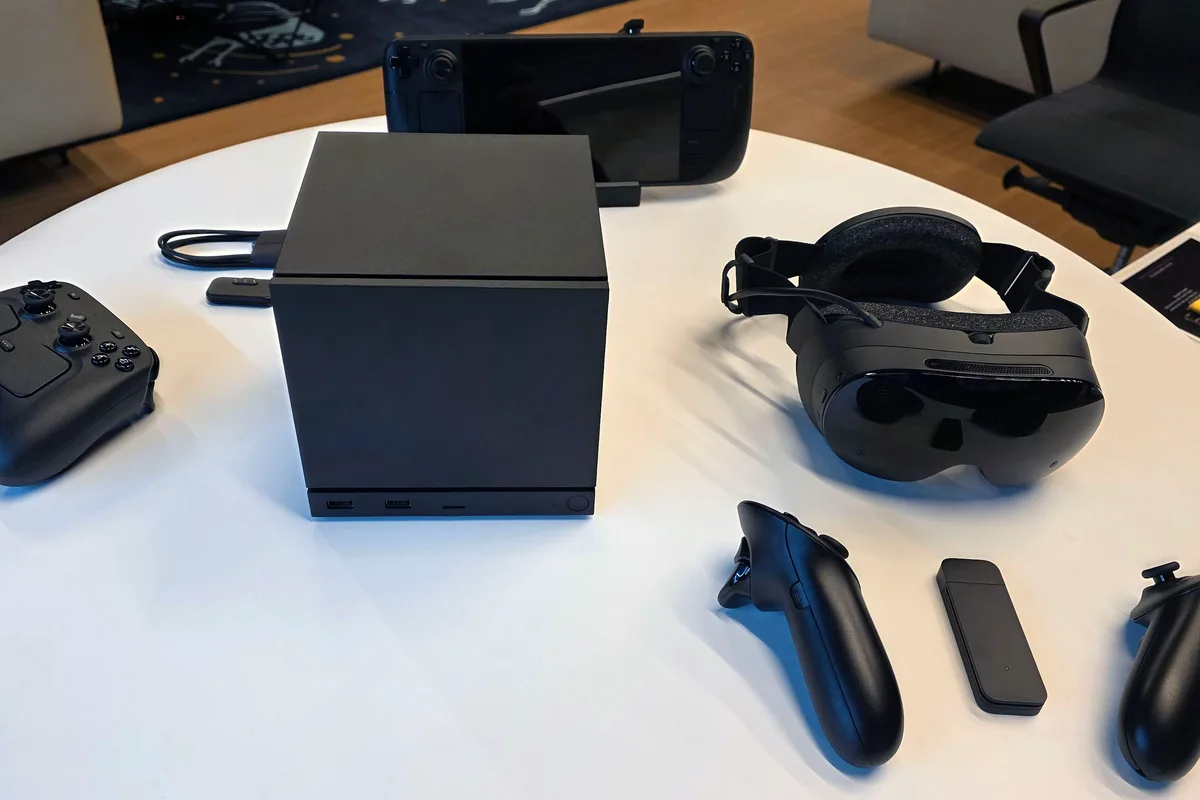
Valve's new headset can stream games from a PC, but it is also a standalone computer running SteamOS. Its internal system uses a Snapdragon 8 Gen 3 processor with 16GB of LPDDR5X memory.
Streaming remains the primary design target. Valve includes a dedicated Wi-Fi 6E adapter that uses the 6GHz band for a direct low-latency link to the gaming PC rather than relying entirely on a household wireless network.
Local execution is where the software stack becomes more unusual. The Steam Frame is Arm-based, while much of the Steam library consists of x86 Windows software. Valve uses FEX to translate x86 code for Arm and Proton to handle the Windows-to-Linux compatibility layer.
VR then adds OpenXR, SteamVR and stereo rendering requirements on top of that. A bug that breaks only one eye is the kind of failure that can expose those layers very quickly.
A minor stereo-rendering bug can make an entire VR game unusable
Traditional display bugs sometimes remain tolerable enough to keep playing. VR has less room for that.
Each eye receives a separate view. If one side stops rendering correctly, the application may continue running while the experience itself becomes effectively unusable.
Valve has not said whether the UE5 problem was specific to local Steam Frame execution, SteamVR on SteamOS or a wider group of Linux configurations. The 3.8.26 notes confirm only that the operating system now contains a workaround for the affected cases.
Valve is building compatibility labels before the hardware arrives
The operating-system work is being matched by a new verification program. Valve expanded its Verified system in June to cover both Steam Machine and Steam Frame.
Steam Frame Standalone Verified is specifically concerned with games running directly on the headset. Valve evaluates whether default settings perform adequately, text and interface elements remain readable on the built-in displays and the supplied controllers work without manual configuration.
The criteria apply to VR software as well as conventional games displayed on a virtual screen inside the headset.
This is familiar Steam Deck logic applied to a much stranger computer. Linux compatibility layers become easier to ignore when the user sees a green verification badge and presses Play.
SteamOS is becoming the connective tissue for Valve hardware
The Steam Deck proved that Valve could take a PC library built largely around Windows and make it behave much more like a console through SteamOS, Proton and aggressive compatibility work.
Steam Frame extends that strategy to Arm and virtual reality. Steam Machine takes it back into the living room, while the new Steam Controller provides another common input layer.
Valve has even designed storage continuity into the ecosystem. A microSD card containing a Steam library from a Steam Deck can be inserted into compatible Steam Machine or Steam Frame hardware to access those games.
SteamOS 3.8.26 is not a major Steam Frame release. That may be the more revealing part. VR rendering fixes, wireless-adapter support and model-specific patches for third-party handhelds are now appearing alongside ordinary Steam Deck maintenance. The operating system has quietly become a much broader Valve platform.