
 By Tsuky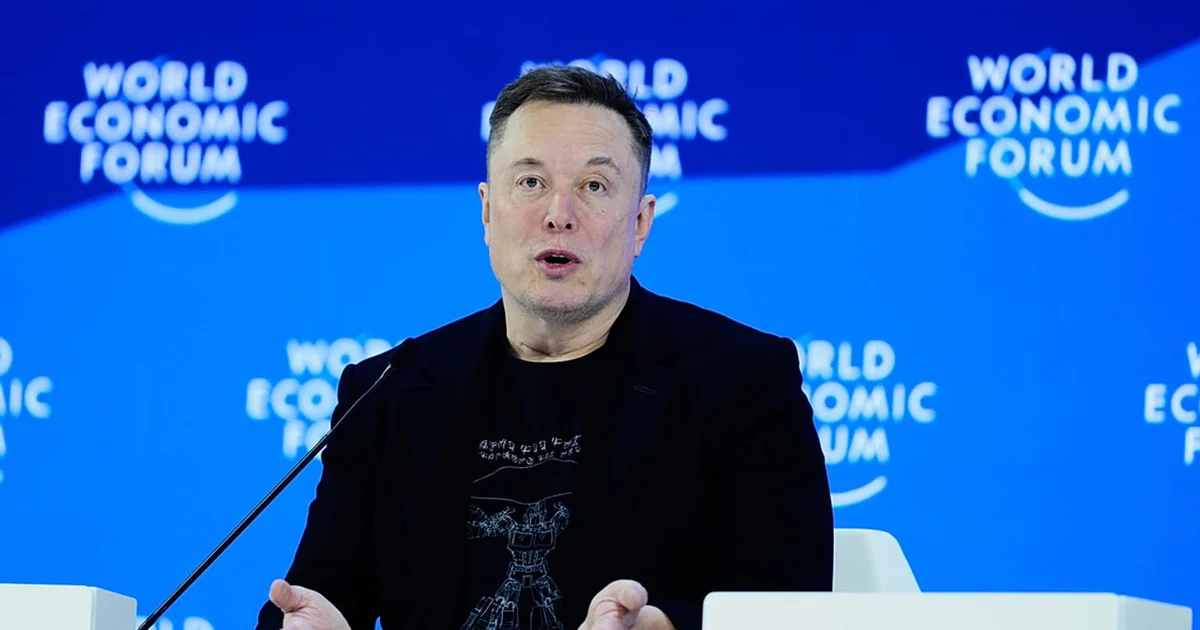
There is no announced Musk dinosaur park. What is documented is his enthusiasm for one.
During 2026, Musk repeatedly said he hoped someone would create a real Jurassic Park. In April he went further, calling for extinct species to be brought back, especially dinosaurs, and saying they could be faked if necessary.
That last part is much closer to what biotechnology would actually require.
Sequencing technology cannot recover information that is gone
Modern genomics is extraordinarily good at extracting information from surviving biological material. Researchers can sequence ancient DNA, compare extinct and living genomes and edit specific variants into cells.
Dinosaurs present a more basic problem: there is no sufficiently preserved DNA to read.
Colossal Biosciences cites an estimated DNA half-life of 521 years and notes that even under ideal preservation conditions DNA would become effectively unsequenceable after roughly 6.8 million years.
Non-avian dinosaurs disappeared about 66 million years ago.
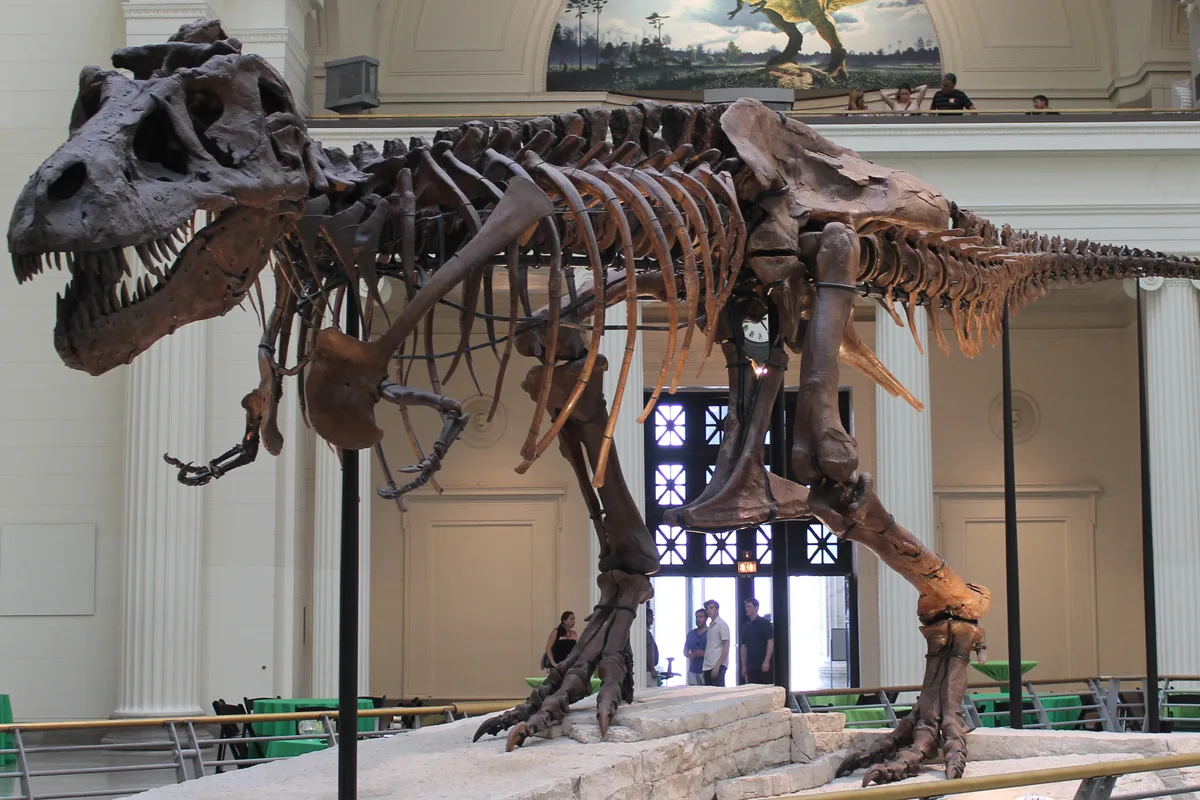
That is why better sequencing machines do not solve Jurassic Park's central problem. Researchers do not have a damaged T. rex genome that merely needs a few missing sections repaired. They lack the underlying sequence.
Real de-extinction projects start much closer to the present
Colossal's actual targets illustrate the difference. The company is developing programs involving the woolly mammoth, thylacine and dodo, all species for which usable genetic information and appropriate living relatives exist.
The process is closer to comparative genomics and engineering than cinematic cloning. Scientists identify genetic differences associated with important traits, edit a living relative and attempt to produce an organism that functionally resembles the extinct target.
Colossal's dire-wolf program provides a current example. The company genetically engineered gray wolves to carry selected traits associated with dire wolves and describes the resulting animals as functionally de-extinct. Its conservation documentation also uses the more precise term proxy.
Whatever terminology is preferred, that approach depends on genomic evidence that dinosaurs no longer provide.
Engineering something dinosaur-like changes the problem
Musk's suggestion to fake the animals is therefore technically more interesting than it first appears. An engineered organism designed to resemble a dinosaur does not require scientists to reconstruct an authentic extinct genome.
It also would not be a resurrected dinosaur.
Birds are living dinosaur descendants, and developmental biology can manipulate features expressed during growth. But there is no straightforward sequence of genetic edits that turns a modern bird back into a known Mesozoic species.
Scientists would effectively be designing a new organism using living biology and incomplete paleontological clues. Even the visual target is uncertain because knowledge of dinosaur feathers, soft tissues, color and behavior continues to change.
Theme-park technology has a much easier path
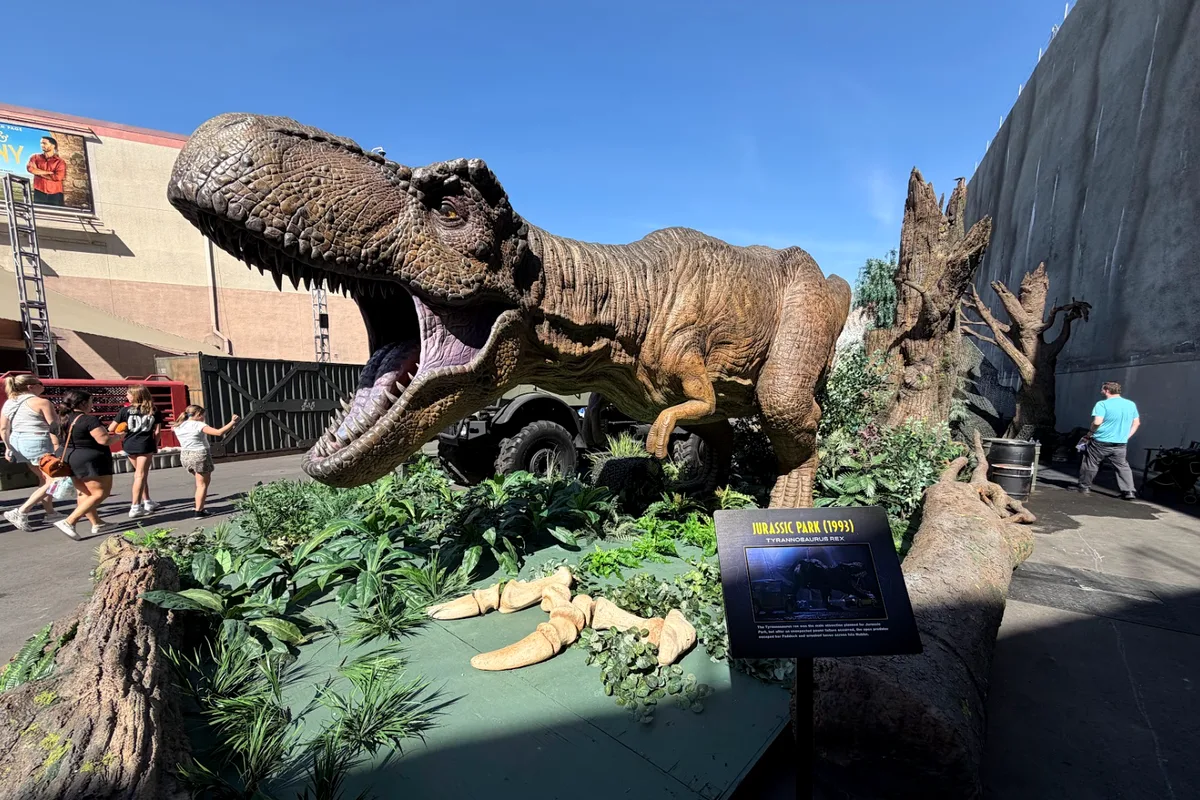
A convincing dinosaur attraction does not need biotechnology at all. Robotics, animatronics, projection and AI-driven behavior can already create creatures that appear alive to visitors.
Universal's Jurassic attractions have spent decades doing exactly that, and new exhibits in 2026 continue to use full-scale dinosaur figures and film props to extend the illusion.
Building deliberately engineered animals for entertainment would cross into a very different regulatory and ethical category. Welfare, containment, reproduction and biological risk would all have to be addressed before ticket sales became the interesting part.
None of that has been announced by Musk. A more realistic Jurassic Park may eventually be an engineering project. Resurrecting Jurassic dinosaurs remains a missing-data problem with no known solution.