
 By Camille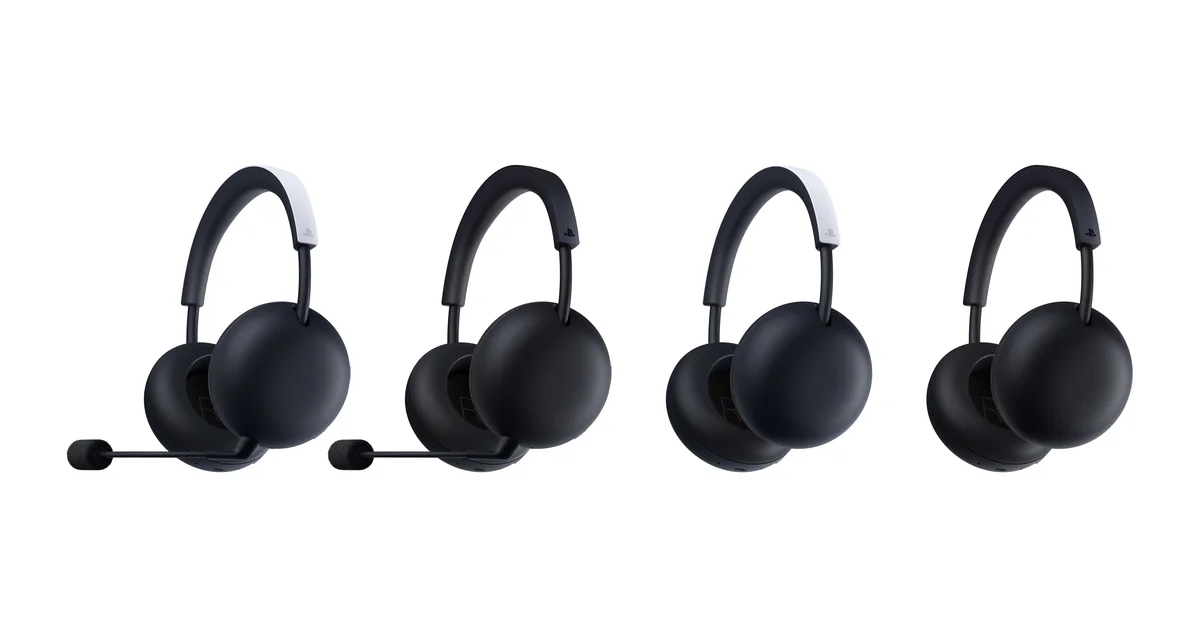
The next PlayStation headset generation is built around a meaningful hardware change rather than a minor codec update. Both PlayStation Pulse and Pulse Edge use custom planar magnetic drivers, a technology Sony had previously introduced to this family through Pulse Elite.
Pulse uses four magnets per driver. Pulse Edge uses eight. Sony links that additional magnetic volume to deeper and fuller bass while retaining the separation and spatial precision associated with the driver design.
Eight magnets are not a simple twice-as-good equation
The specification table makes the comparison look wonderfully simple: four magnets versus eight. Audio engineering rarely behaves that neatly. Diaphragm design, damping, amplification, DSP and tuning will matter just as much when the finished products are measured.
The important point is that Sony has created a physical acoustic difference between its two tiers instead of relying entirely on software features to justify the premium model.
ANC is the Edge feature the standard Pulse does not get
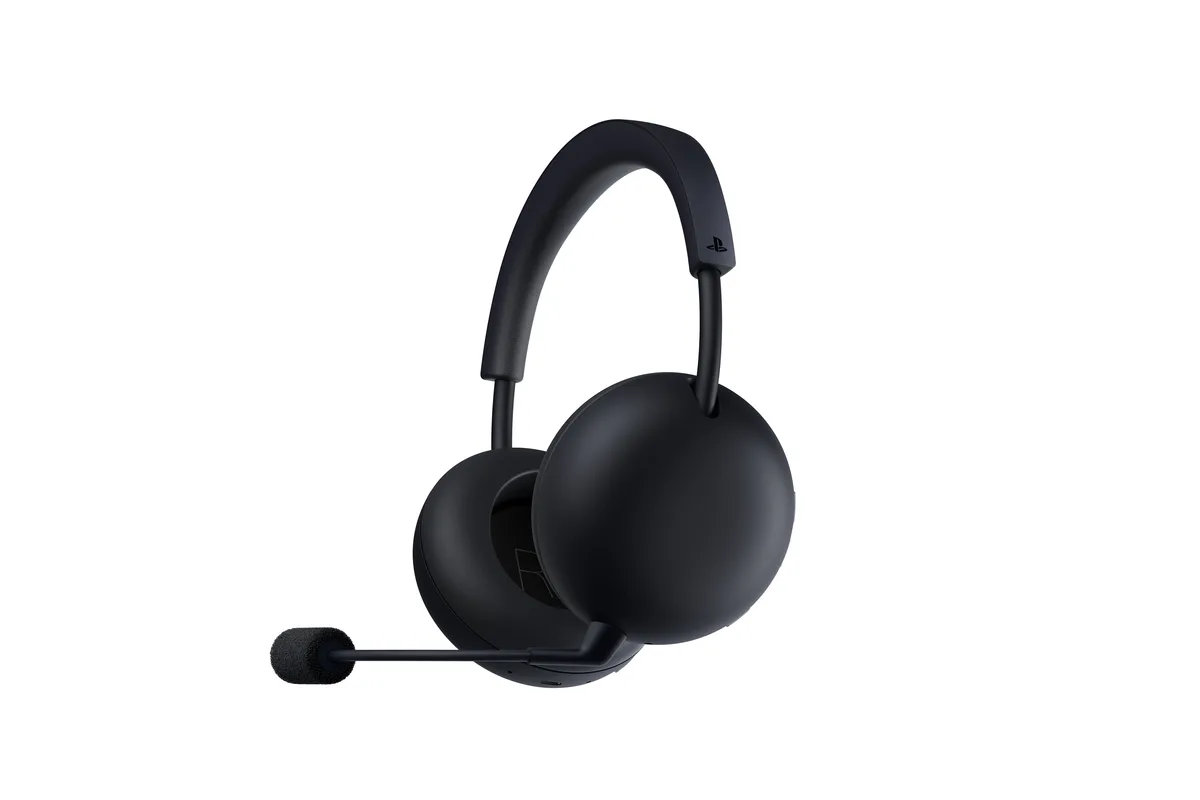
Active noise cancellation is exclusive to Pulse Edge. The standard Pulse keeps a simpler feature set with an integrated microphone and onboard volume control.
Pulse Edge adds a detachable boom microphone with AI-enhanced noise rejection. Remove the boom and a hidden microphone remains available. Both headsets use Sony's AI-assisted background-noise filtering for voice communication.
Edge also includes direct game/chat balance control for PS5, an audio and microphone jack and a carrying case. Sony describes its materials as more premium, though detailed construction specifications have not yet been published.
PlayStation Link can stay connected alongside Bluetooth
Both models ship with a USB-C PlayStation Link adapter. Sony uses the connection for lossless, ultra-low-latency wireless audio across compatible PS5, PlayStation Portal, PC and Mac hardware.
Bluetooth connectivity can remain active simultaneously. A phone can therefore stay paired while game audio travels over PlayStation Link, avoiding the usual ritual of disconnecting one device to use another.
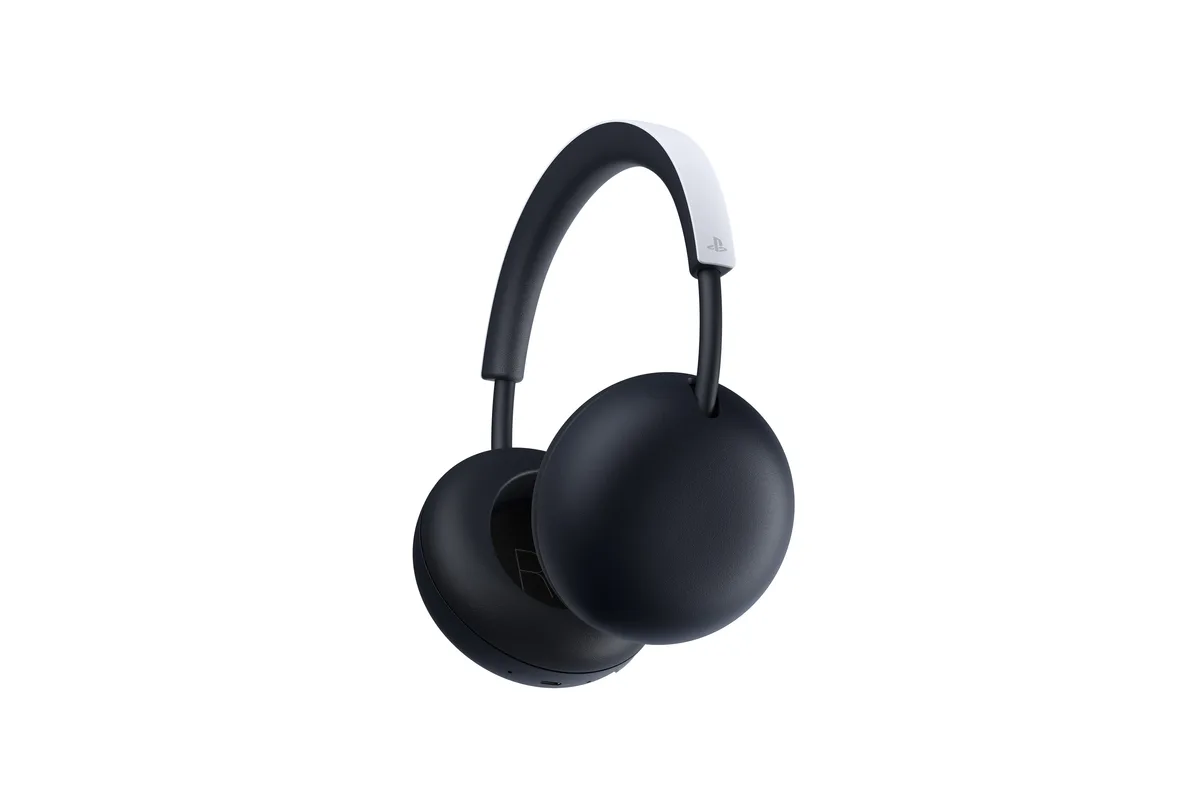
The earcups can now rotate so the headset lies flat for storage. It is not the feature that will dominate a specification sheet, but it may be one of the more noticeable changes once the headsets start travelling in bags.
Pricing will decide how convincing the split really is
PlayStation Pulse launches in select markets during the 2026 holiday season, while Pulse Edge is due in early 2027. Sony has not yet announced prices or exact release dates.
Until those numbers arrive, the value equation remains open. The hardware distinction is already unusually clear, though: the premium model has a different magnetic configuration, ANC, a detachable mic and additional physical controls rather than just a different badge.