
 By Kilam
The new Ocarina of Time was revealed during Nintendo's June 9 Direct. The company describes the Nintendo 64 classic as being reborn for Switch 2, with the first material showing a substantially more detailed version of Child Link.
There are no frame-rate or resolution targets yet
Nintendo has not specified rendering resolution, performance modes or a target frame rate. It also has not detailed whether handheld and docked presentation will use different settings.
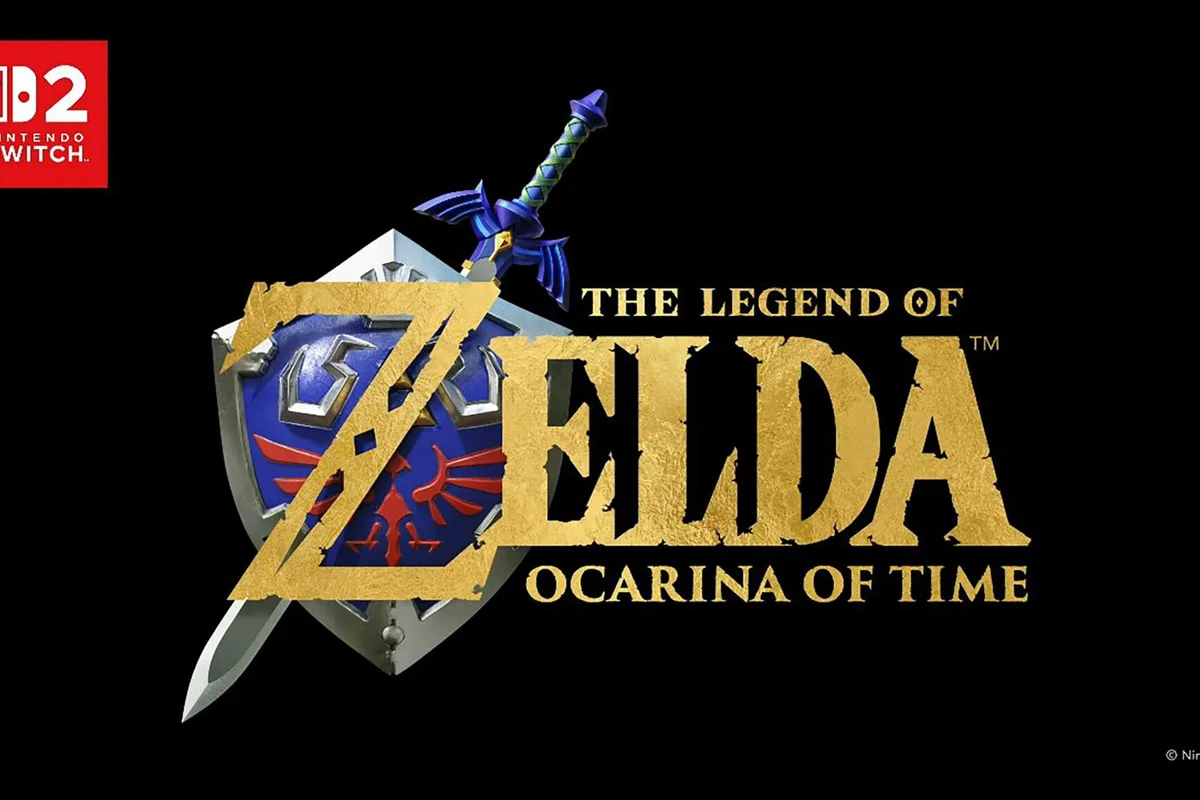
There is similarly no confirmed technical breakdown of the engine or rendering systems used for the remake. Nintendo's public material establishes the platform and the rebuilt presentation, not how that presentation is being produced.
Rebuilding a game designed around Nintendo 64 limits
The original Ocarina of Time shipped in 1998, with environments and character models designed around Nintendo 64 hardware. Its world is divided into relatively discrete spaces, with loading transitions and compact geometry forming part of the original technical structure.
Switch 2 obviously provides vastly more rendering headroom, but additional hardware capability does not automatically reveal Nintendo's design choices. The remake could preserve much of the old spatial structure or use the opportunity to rebuild areas more extensively.
Those questions will need another presentation. Nintendo currently lists The Legend of Zelda: Ocarina of Time for Nintendo Switch 2 with a 2026 release window and no exact date.