
 By Adri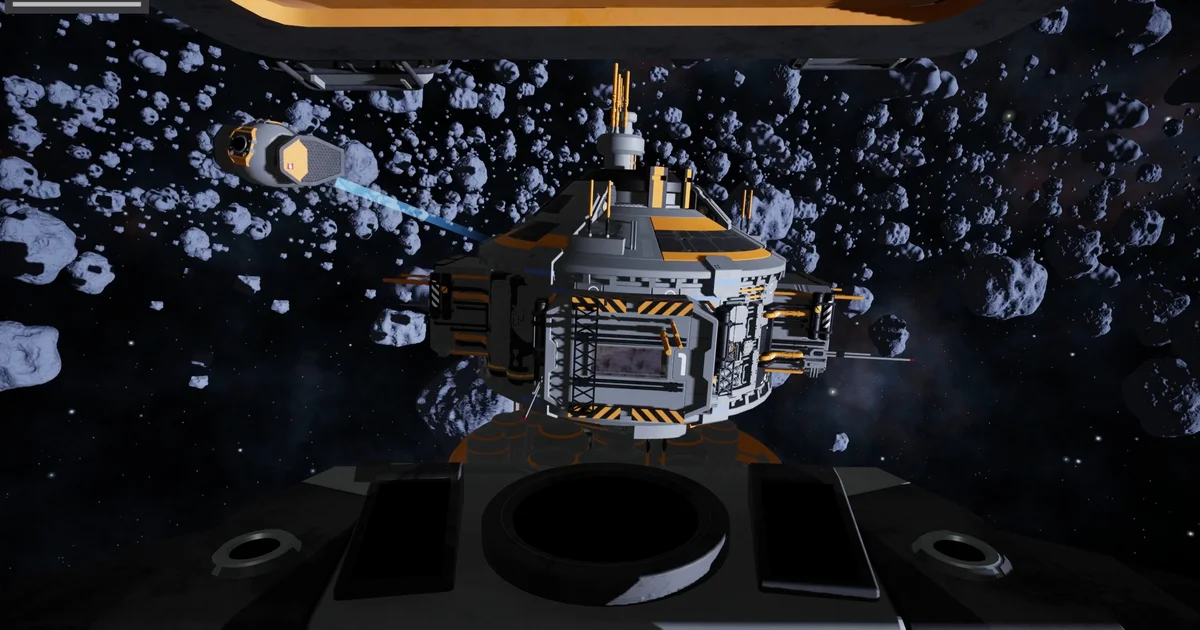
Tumbling Dumpling Studio is opening all currently implemented work-in-progress Main Sequence content until September 25.
For an automation game, that is more significant than simply providing more hours. The permanent demo ends before its logistics systems truly begin changing scale.
The first factory still begins with familiar conveyors
At the local level, Main Sequence uses conventional factory-building components: resource extraction, machines, intermediate products, belts and production lines.
Players organise those chains to remove bottlenecks and manufacture the components required for further research.
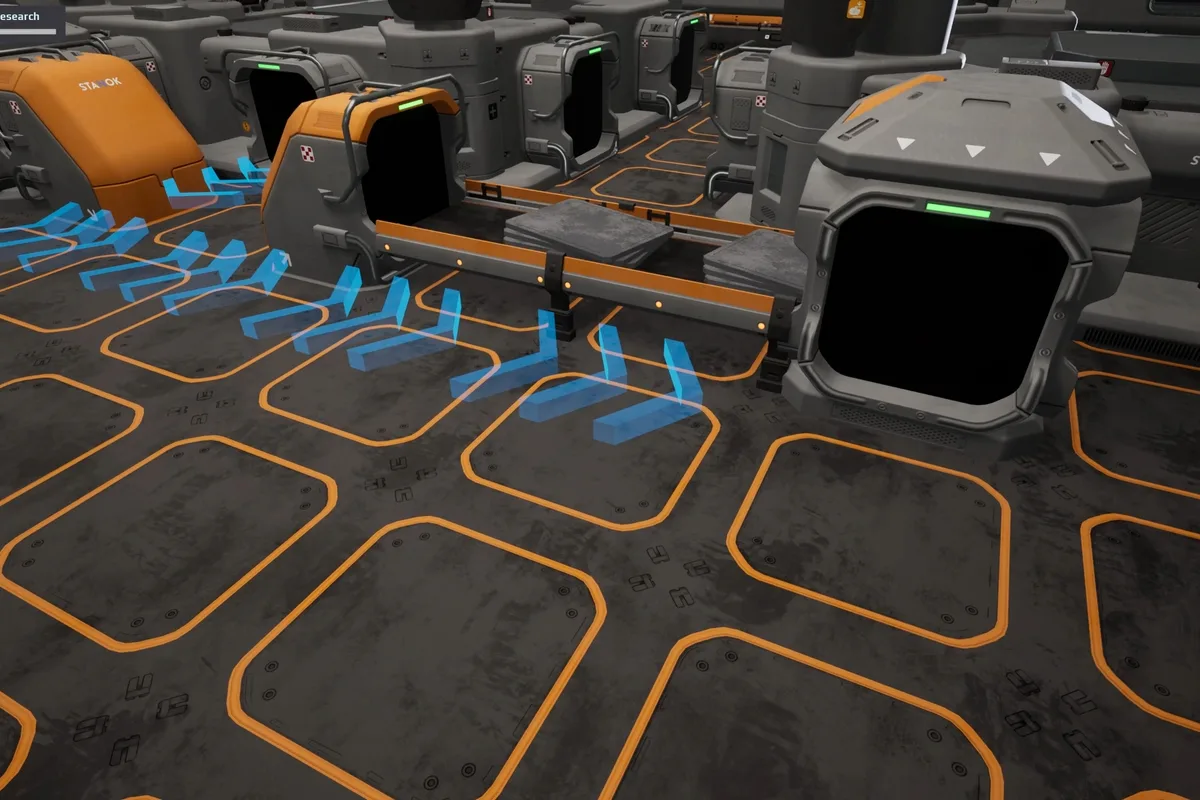
The spatial difference is that this factory physically exists inside modular stations the player explores from first person.
The network changes when multiple stations enter the system
A station can grow into one enormous central base, but production can also be distributed between several specialised facilities.
At that point, conveyor belts are no longer enough. Ships become part of the logistics architecture and can follow scheduled orders that automatically move cargo between stations.
Automation therefore grows from a local production problem into a distributed logistics problem.
The playtest reveals the science layers hidden beyond the demo
The permanent demo concludes around the early technology tiers and the Slipstream Drive.
The playtest continues into Cobalt and Graphite extraction, Electromagnetic Science and Quantum Science, with research unlocking more modules and expansion into other sectors of the solar system.
After defeating the Relic Destroyer, the Interstellar Warp Drive opens other star systems and the Astronomic Science and Xenobiologic Science tiers.
Every new logistics layer also creates a military one
Industrial activity awakens an ancient alien defence network. The simulation therefore has to protect the infrastructure it is simultaneously expanding.
Automated ships are not only cargo carriers. Fleets defend stations and can attack enemy defence platforms and shipyards.
The player can leave those orders running or directly command the flagship.
The simulation tries to remain physically understandable
That may be Main Sequence's most interesting systems decision. Many automation games naturally become increasingly abstract as the network expands.
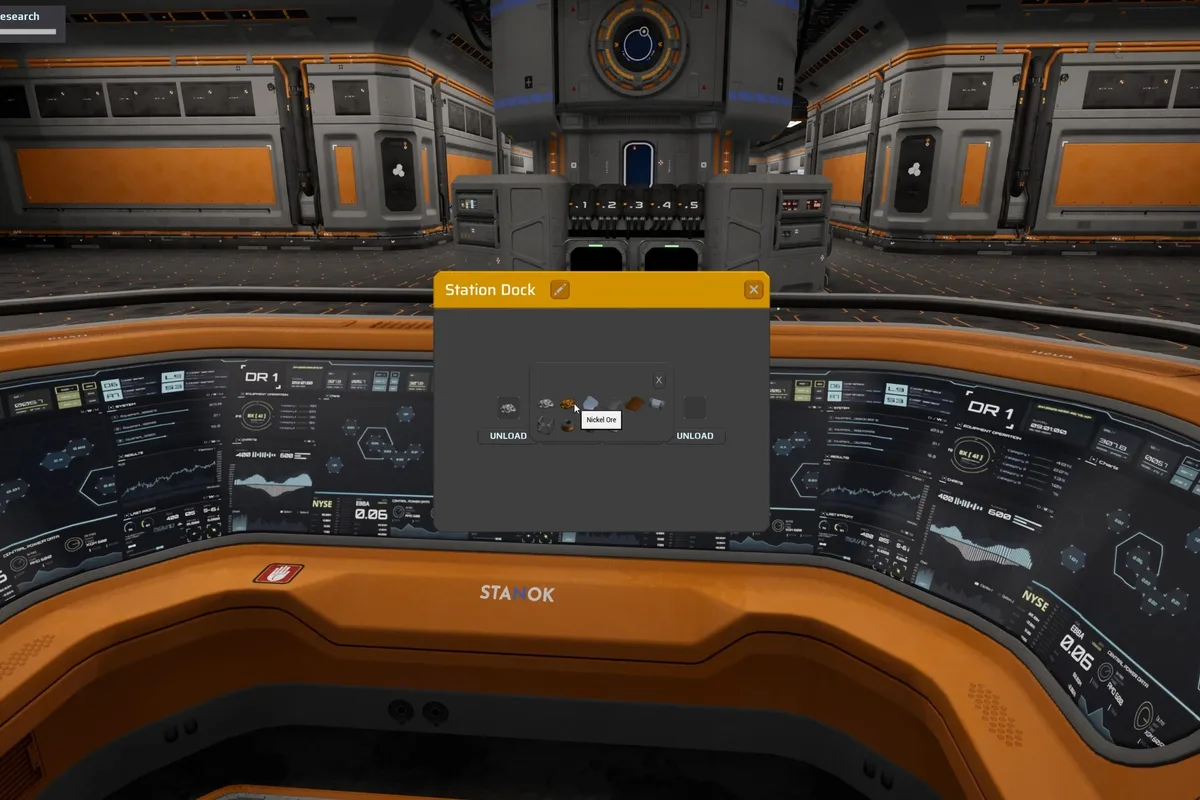
Here, the same infrastructure remains physically accessible. Players can walk inside a station, modify a production line, enter a cockpit and manually fly a route that would normally run automatically.
That gives logistics a physical scale. A cargo ship is not merely throughput represented as a number per minute.
The largest technical questions will emerge at the final scale
The Steam page lists single-player alongside online and LAN co-op for the commercial version, but there are not yet detailed limits for factory size, ship counts or simultaneous simulation load.
No CPU budget, frame-rate target or engine specification has been published either.
The September 17 to 25 playtest is therefore most useful as an unusually open look at the full systems stack before Early Access: not simply a factory that works, but a factory gradually attempting to become an interstellar network.