 By Tsuky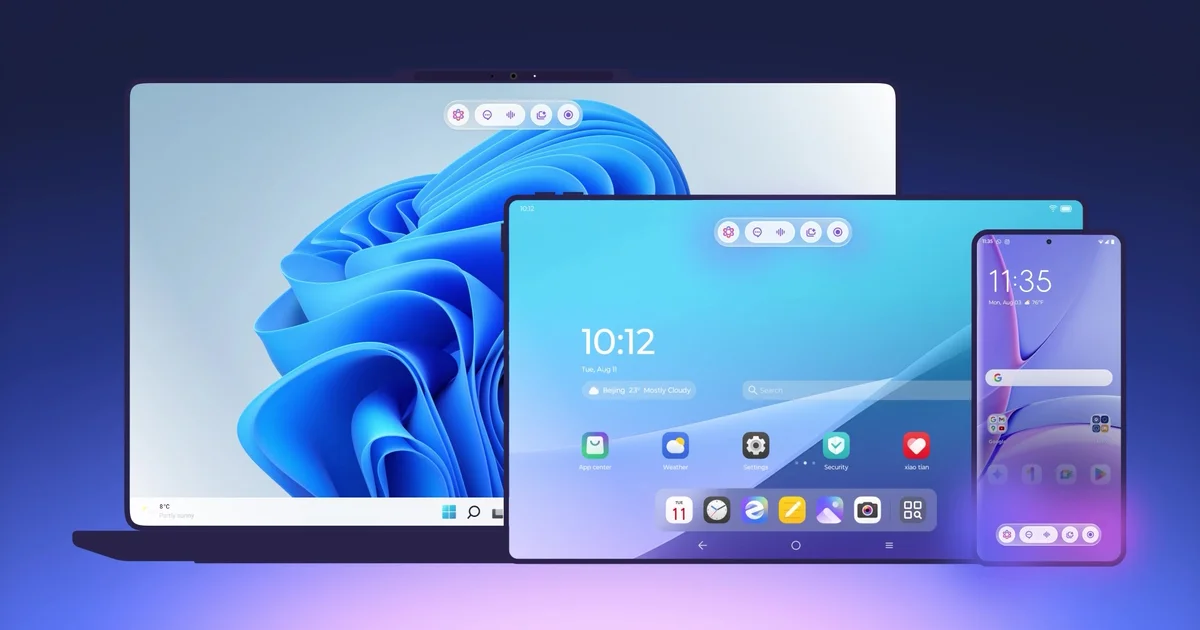
IFA turns Qira from a launch into an ecosystem project
Lenovo first introduced Qira at CES 2026 and began the initial PC rollout around MWC. By September, the company says the experience supports more than 80 PC configurations across consumer and commercial systems, alongside select tablets and Motorola devices.
IFA is about widening that footprint rather than replacing the underlying assistant.
Eligible Lenovo PCs with 16GB of memory can now join the supported pool as continued local-model optimization lowers the hardware threshold for more configurations.
Sixteen gigabytes is not a universal compatibility guarantee. Lenovo repeatedly qualifies availability by model, hardware configuration and market.
Motorola Qira is tied to Android 17
Select Motorola edge, signature and razr devices are scheduled to gain Motorola Qira as they receive Android 17.
The rollout will be gradual. Timing depends on the device and market, so this is not a single global switch being flipped at IFA.
On compatible phones currently using moto ai, the Android 17 transition is also a consolidation exercise: Lenovo and Motorola want their previously separate AI experiences to become one shared system.
A wrist becomes Qira's next interface
The moto watch ultra will be the first wearable to support Motorola Qira.
Lenovo says users can raise their wrist or say “Hey Qira” to ask general questions and retrieve information using Qira's cross-device knowledge.
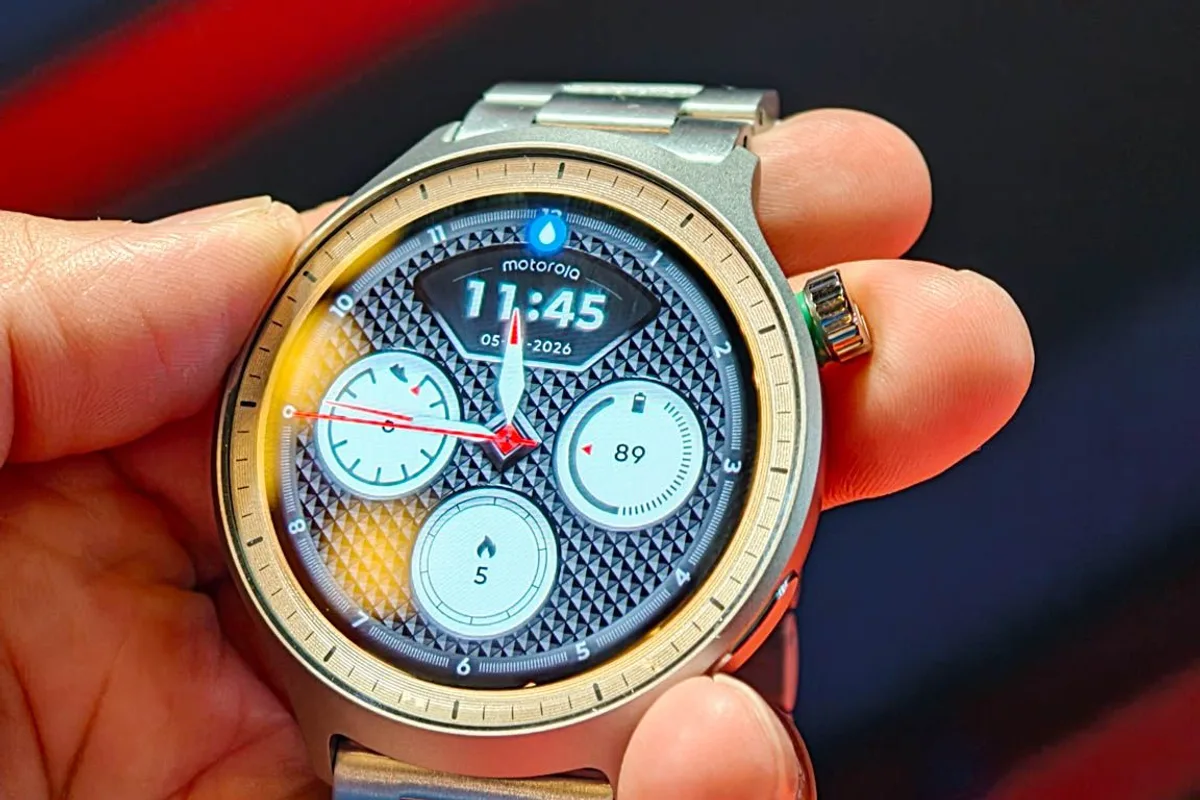
That matters for the ambient-AI argument. A system that is supposed to follow somebody throughout the day has a stronger reason to exist on a watch than to remain another desktop window waiting to be opened.
Workato is turning app access into part of the product
Lenovo's new Workato collaboration is the technical piece that makes the IFA announcement more consequential.
Workato is providing the connectivity layer behind Qira's underlying Model Context Protocol server infrastructure. In practice, Lenovo wants natural-language requests to cross application boundaries rather than stop at a generated answer.
The main Qira announcement names Gmail, Google Calendar, Google Contacts, Slack, Outlook Mail and Outlook Calendar.
Lenovo's separate Workato release broadens the initial ecosystem to services including Microsoft 365, Google Workspace, Trello, Asana and Discord.
“Catch me up” can now lead to an action
The difference is easy to illustrate with the company's own workflow.
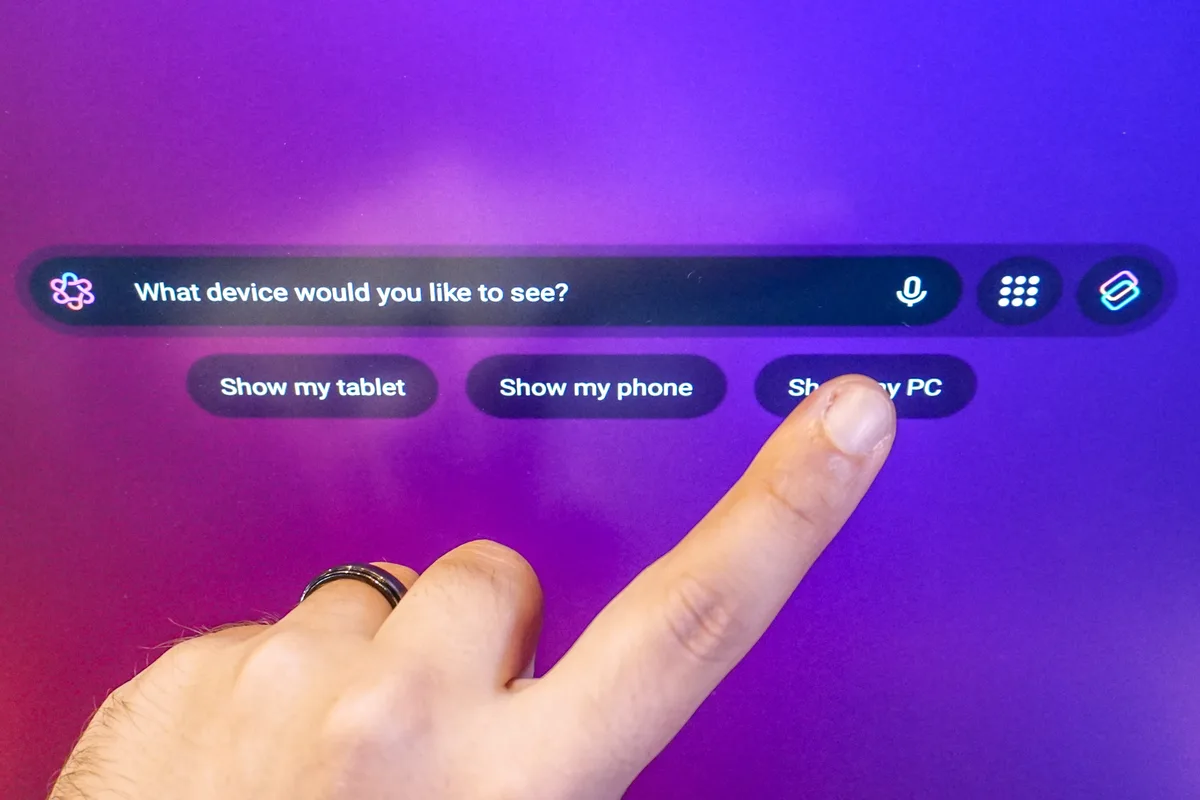
An email arrives, a calendar event changes or a group conversation contains an important update. Qira can surface that information through Catch Me Up, then provide a route to act from the same interface.
Workato gives other examples: create a Trello task for a project, or distribute meeting notes to a Discord team.
Whether every connector offers the same read and write capabilities will depend on the individual service, account and permissions.
Notion and Perplexity are expanding separately
Lenovo is also working with Notion so Qira users can connect an account, retrieve project information and edit content from the Qira experience.
The Perplexity integration is being expanded toward deeper research, including visual references for some queries.
Those partnerships illustrate another part of Lenovo's strategy: Qira is being positioned as an orchestrator around external services rather than an attempt to replace every model and application underneath it.
Local-first does not mean cloud-free
That distinction matters once an AI system starts accumulating personal context from messages, calendars and documents.
Lenovo describes Qira as hybrid and local-first. On-device processing is prioritized where supported, and information added to the personal knowledge base is encrypted and stored locally according to the company.
Cloud processing remains part of the architecture. When a requested experience needs it, Lenovo says Qira sends the prompt and the relevant context required for that request through encrypted cloud services.
Cross-device synchronization is optional.
Permission design may matter more than another model benchmark
Connecting an assistant to productivity tools changes what an AI mistake can do.
A bad summary is inconvenient. A mistaken calendar edit, message or workflow action can create a different class of problem.
Lenovo emphasizes user authorization and control, but the useful details will be practical ones: how narrowly a connector can be scoped, when an action requires confirmation, what Qira records in its history and how easily access can be revoked.
The difficult part is maintaining one memory across all of this
Lenovo's central claim is “one personal AI, multiple devices.”
Qira is designed to maintain user-approved context so something started on one device can be continued on another without reconstructing the session from scratch. Prioritized notification summaries and cross-device knowledge are intended to reduce the usual app and screen switching.
That makes continuity the product's most interesting challenge. It is not enough for Qira to answer well on a laptop if the supposedly shared context disappears when the user picks up a phone.
IFA announces the destination before every piece arrives
Qira currently supports six languages, with more planned. Lenovo says additional device families and form factors will be added by the end of 2026.
Motorola availability waits on Android 17. Individual app integrations can vary by region, account type and service. Some require updates, internet access, authentication or specific hardware.
Lenovo has made the architecture of its personal-AI strategy much clearer at IFA. The next question is whether all of those connectors, devices and permissions line up for real users at the same time.