
 By Tsuky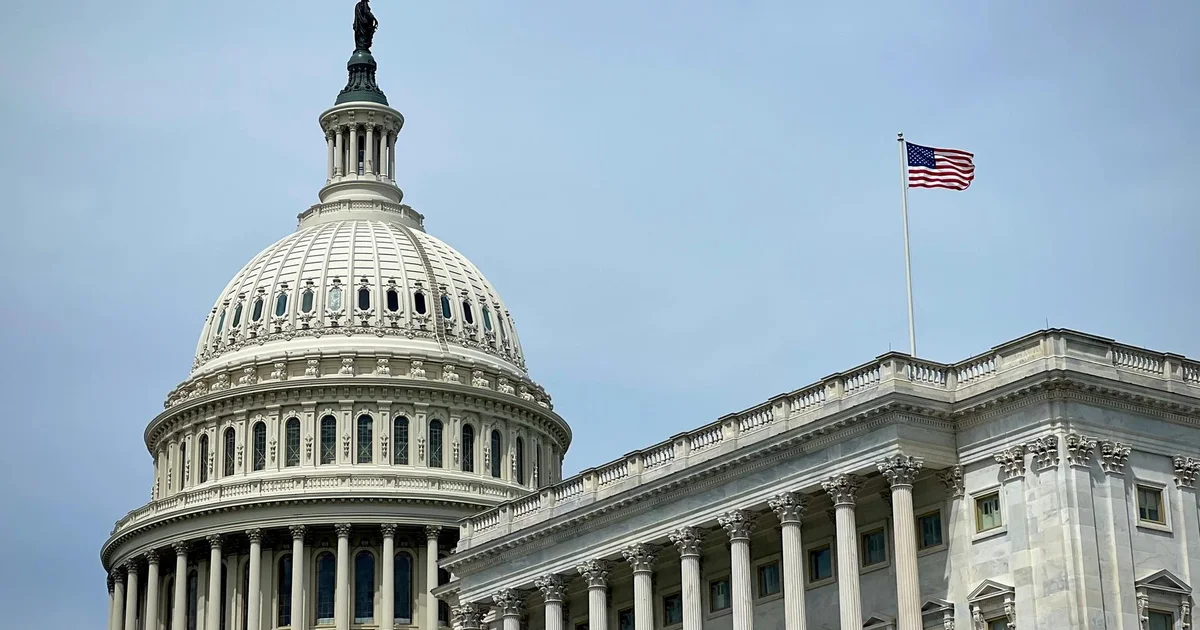
On September 15, the Senate considered cloture on the motion to proceed to H.R. 3633, the Digital Asset Market Clarity Act. The official tally was 49 votes in favor and 50 against. Because cloture required 60 votes, the motion failed. :contentReference[oaicite:7]{index=7}
This was a procedural vote, not final passage of the legislation. The immediate result is that the bill did not move to the next stage of Senate consideration.
The unresolved issue is market structure
The CLARITY Act was designed to establish a more explicit statutory framework for digital assets, including clearer lines between the roles of the Securities and Exchange Commission and the Commodity Futures Trading Commission. Those classifications have practical consequences for issuers, trading venues and intermediaries.
Failure to advance the bill does not erase the regulators’ existing powers. Instead, it leaves more of the near-term framework dependent on agency interpretations and rulemaking under statutes already on the books.
The SEC had already moved in that direction. In March 2026 it issued an interpretation addressing how federal securities laws apply to certain crypto assets and transactions, alongside related CFTC guidance. In August, the Commission proposed Regulation Crypto Assets, a tailored offering framework for some investment contracts involving digital assets. :contentReference[oaicite:8]{index=8}
Agency action is not the same thing as legislation
That distinction is where the failed vote matters most for the industry. Regulators can interpret existing laws, write rules within delegated authority and create exemptions where statutes permit. Congress can change the underlying statutory framework itself.
SEC Chairman Paul Atkins had made essentially that argument before the Senate vote. In August, he described legislation as necessary for more durable rules while the Commission continued developing its own crypto framework. Two days after the Senate setback, he explicitly referenced Congress failing to advance the CLARITY Act as the SEC announced temporary conditional relief for some tokenized-stock trading venues. :contentReference[oaicite:9]{index=9}
So the regulatory process has not stopped. What remains unresolved is how much of that framework will eventually be anchored in statute rather than in agency decisions that can be revised through later rulemaking or changes in regulatory leadership.
Crypto markets fell into an already difficult session
Bitcoin and crypto-related equities weakened after the vote. Reuters reported Bitcoin down roughly 4% around the session and shares of Coinbase and Circle falling about 9%. :contentReference[oaicite:10]{index=10}
The legislative defeat was not the only macro factor in play. Oil prices were rising sharply, Treasury yields were under pressure and markets were preparing for a Federal Reserve decision, all of which complicated any attempt to attribute the move to one event alone. :contentReference[oaicite:11]{index=11}
The Senate record also leaves a procedural door open. Senator Thom Tillis cast a no vote and then moved to reconsider H.R. 3633, according to the Senate Daily Press. That preserves a route back to the question; it does not change the 49-50 result recorded on September 15. :contentReference[oaicite:12]{index=12}