
 By Adri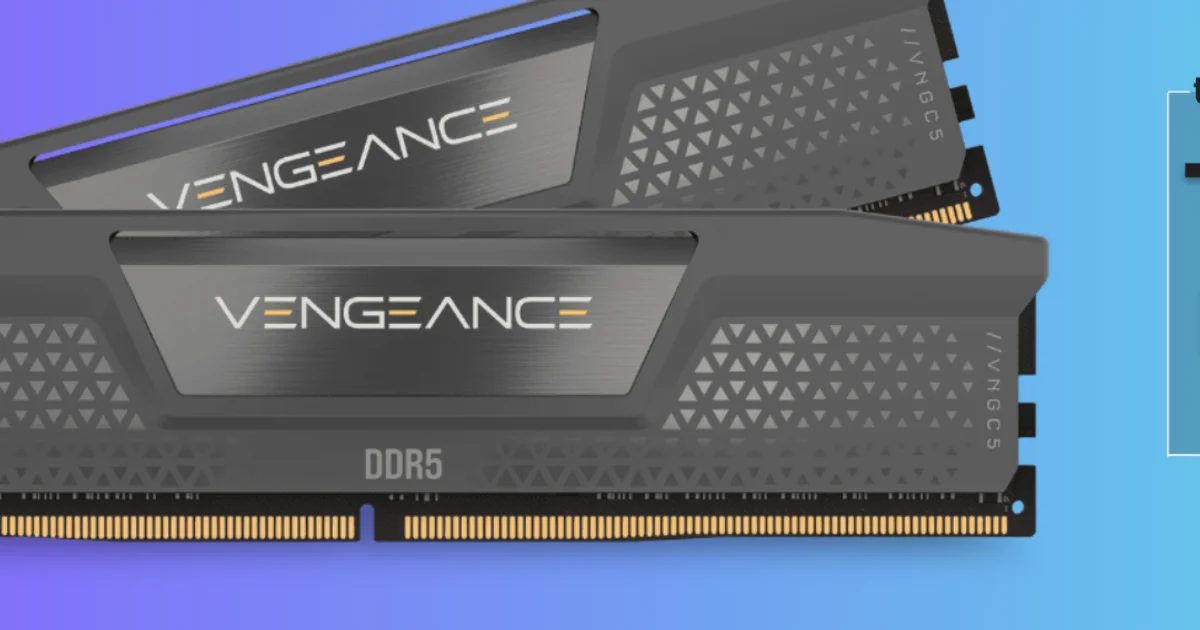
Tom's Hardware's September 3 price tracker puts the cheapest 32GB DDR5-5600 kit it could find in the US at roughly $399. Moving to DDR5-6000 raises that starting point to about $409. Comparable 32GB kits have previously fallen as low as $72.
Capacity now gets expensive very quickly. The same tracker lists 64GB of DDR5-6000 at around $819, 96GB at $1,849 and a 128GB DDR5-6400 kit at more than $2,300.
DDR4 is cheaper, not cheap
Older platforms provide some relief, but the familiar bargain prices are gone there too. A 32GB DDR4-3200 kit is currently around $179 in the tracker. Before the present shortage, $60 to $90 was a normal range for that capacity.
TrendForce's spot-market data tells a similarly awkward story. Demand for branded DDR5 and DDR4 chips has weakened, yet supplier quotations remain firm enough to keep prices elevated. Mainstream DDR4 1Gx8 3200 MT/s spot pricing rose 2.08% in the week ending September 1.
AI infrastructure is changing where memory capacity goes
The underlying problem is allocation. The major DRAM manufacturers have strong incentives to devote advanced production capacity to server memory and high-bandwidth memory for AI accelerators, where demand and margins remain considerably stronger than in consumer PCs.
TrendForce forecast conventional DRAM contract prices to climb another 13% to 18% quarter over quarter in Q3 2026. That increase comes despite weaker consumer demand, which the research firm says is already approaching an affordability limit in PC and smartphone markets.
Supply is not expected to loosen rapidly. TrendForce said in August that DRAM conditions are likely to remain tight through 2027, even as manufacturers expand facilities and move more production toward advanced processes.
Weak PC demand still hasn't broken prices
Normally, buyers walking away would eventually force prices down. The current memory cycle is resisting that logic because stronger server and AI demand is absorbing supply that would otherwise put more pressure on consumer pricing.
TrendForce's September 4 spot data lists DDR5 16Gb 4800/5600 chips at a session average of $54, while DDR4 16Gb 3200 averages $93.75. Those are upstream chip-market figures rather than retail DIMM prices, but they show how unusual conditions remain before a memory kit even reaches a store.
For PC builders, RAM has become a component worth budgeting at the beginning of a build rather than something added almost casually at the end.