
 By Tsuky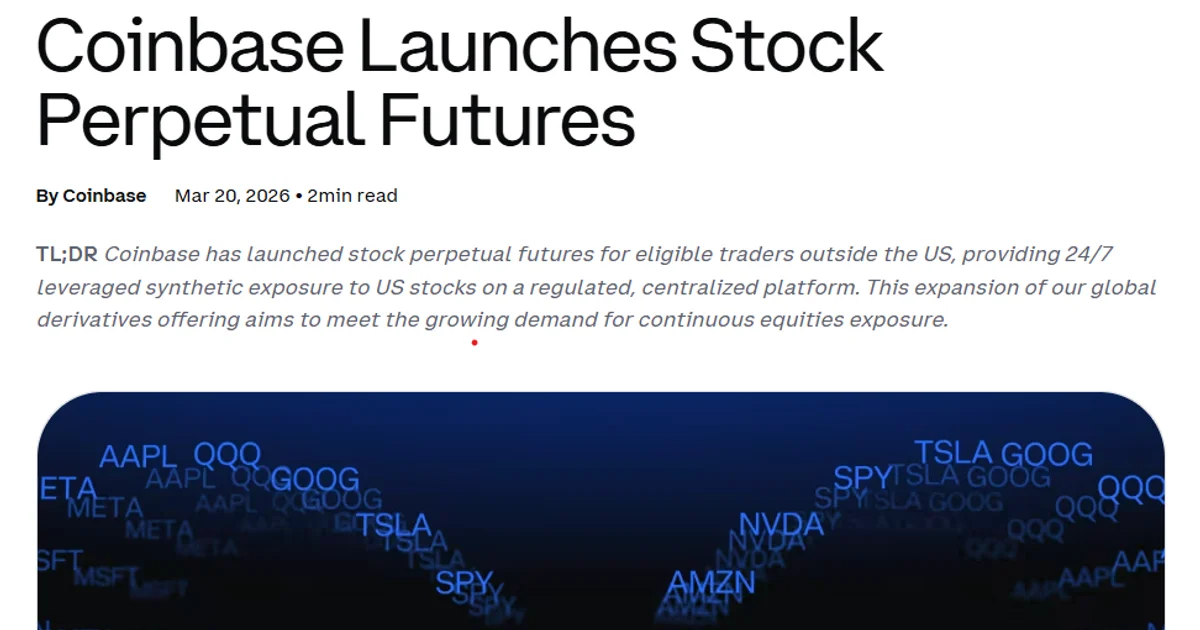
US Bitcoin ETFs just had their strongest inflow day since January
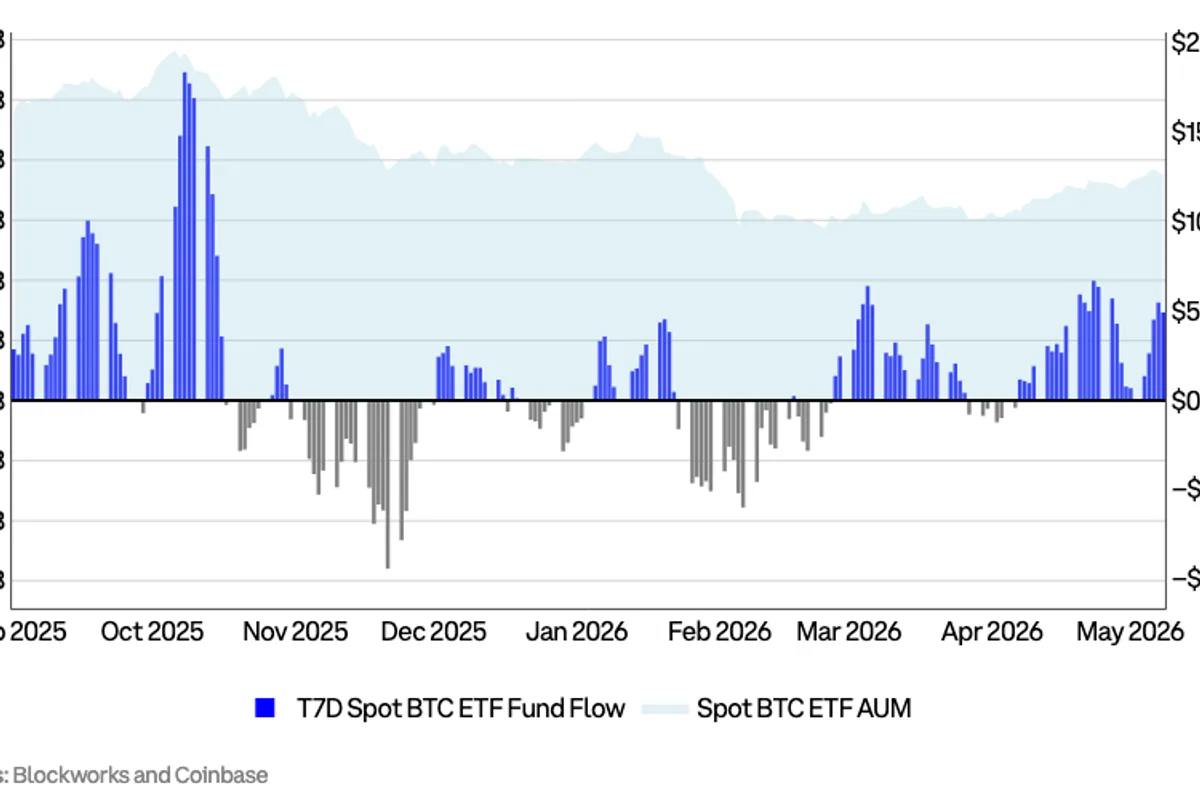
US spot Bitcoin ETFs recorded approximately $730.9 million of net inflows on September 3, their largest single-day total since January 14.
BlackRock's IBIT accounted for roughly $454 million. Fidelity, Grayscale and several other products also finished with positive flows.
The move followed roughly $3.5 billion of inflows across the category during August.
Bitcoin moved back above $80,000 during the same macro-driven rebound. Softer rate expectations helped, particularly after Federal Reserve Governor Christopher Waller suggested rates could remain unchanged if inflation continues cooling.
That is useful context, not proof that every dollar entering an ETF represents a permanent institutional allocation.
Zcash suddenly has an ETF story of its own
ZEC reached roughly $1,023 on September 4, crossing $1,000 outside the extraordinary price action surrounding its first exchange listings in 2016.
It had gained about 94 percent over the preceding month.
Grayscale's Zcash ETF has become part of that market story. ZCSH began trading on NYSE Arca on August 25 after conversion of the existing Zcash Trust and had accumulated at least $34.4 million of net inflows by the figures available on September 4.
Mining competition rose with the price. Zcash network compute briefly moved beyond 30 GSol/s after sitting closer to 25 GSol/s in late August.
Higher token prices do not translate cleanly into higher miner margins when more machines arrive to compete for the same block rewards.
South Korea is laying out a much bigger tokenization plan
The Financial Services Commission published a three-stage roadmap on September 4 for bringing conventional securities onto tokenized infrastructure.
Stocks, bonds and funds are explicitly part of the plan.
Phase one starts in February 2027 when amendments to Korea's Electronic Registration Act take effect. The initial scope is intentionally narrower: privately pooled money-market funds and bonds for institutional investors, unlisted equities through trust structures, and publicly offered fractional-investment securities.
Publicly offered conventional securities come later.
Stablecoin settlement is an end goal, not a February launch feature
The FSC's third phase would connect tokenized securities to an onchain payments infrastructure using instruments such as stablecoins.
There is no fixed implementation date for that stage.
Korean regulators say the pace will depend on how phase one performs, technological development among market participants and future stablecoin legislation.
February 2027 is therefore the start of the architecture, not the date on which Korea's entire capital market suddenly migrates to a blockchain.
Coinbase wants to export crypto's perpetual contract to US equities
Coinbase has filed registration documents with the SEC as it seeks permission to offer equity perpetuals in the United States.
Perpetual contracts track an underlying market without an expiry date. Traders can maintain a position without rolling into a new futures contract every month or quarter.
The structure dominates large parts of offshore crypto derivatives trading, and Coinbase already offers stock perpetuals to eligible customers outside the US.
SEC approval would not finish the process. Coinbase Chief Policy Officer Faryar Shirzad says CFTC approval would also be required.
This is where the crypto market begins exporting its own habits
Traditional finance gave crypto ETFs, regulated custody structures and familiar brokerage wrappers.
Crypto developed a different expectation around market hours. Bitcoin does not close for a weekend, and perpetual contracts became one of the clearest expressions of that continuous trading culture.
Coinbase's equity-perp proposal takes that format and points it directly back at traditional assets.
Hyperliquid may reach America through a regulated layer rather than its existing venue
Hyperliquid presents the more complicated version of the same regulatory question.
President Donald Trump said in August that the CFTC was working on bringing Hyperliquid into the United States in a fully compliant and legal form.
That does not necessarily mean opening the existing permissionless trading interface to US customers.
One route being discussed involves Kraken parent Payward, regulated derivatives platform Bitnomial and elements of Hyperliquid's technology or liquidity infrastructure.
A US implementation could therefore include identity checks, sanctions screening, customer-asset protections, reduced leverage and a narrower list of markets while still borrowing infrastructure from Hyperliquid.
No final structure has been formally announced.
The regulatory problem is shifting from “can perps exist?” to “who is responsible?”
US regulators have already begun allowing perpetual-style crypto products in regulated settings.
The harder questions now concern custody, routing, leverage, market surveillance and which legal entity stands behind a product when something fails.
That is considerably less exciting than a 100x leverage button. It is also how a market moves from an offshore niche into conventional financial infrastructure.
Trezor's breach happened far away from the private keys
Trezor disclosed another roughly 67,000 US customers affected by the breach at fulfillment provider ShipMonk.
The newly discovered records relate to orders placed between November 2019 and August 2021 and can include customer names, email addresses, phone numbers, shipping addresses and order numbers.

Trezor's wallets themselves were not breached. Private keys, wallet backups and device secrets were not exposed through the ShipMonk incident.
The problem is the metadata around owning one.
Knowing who bought a hardware wallet is useful information for an attacker
A real order number, physical address and phone number make impersonation much easier.
An attacker can construct a convincing fake support message without ever touching the cryptography protecting the wallet.
Physical addresses introduce another concern because the data can identify households that may hold self-custodied digital assets.
Trezor continues to warn customers that it will never request a wallet backup. A recovery phrase should never be entered into a website or provided to someone claiming to be support.
Six stories, one increasingly blurred boundary
Bitcoin ETF inflows show traditional financial rails pulling crypto capital into familiar products. Zcash now has a smaller version of the same mechanism.
South Korea is preparing to push bonds, funds and equities toward tokenized infrastructure instead. Coinbase wants to put the perpetual model around stocks, while the Hyperliquid discussions test how much of a crypto-native venue can be transplanted into a regulated US structure.
The boundary is moving in both directions.
And the Trezor incident supplies a useful final detail: once digital assets become part of mainstream financial infrastructure, database retention, logistics providers and customer records matter just as much as smart contracts and private keys.