
 By Camille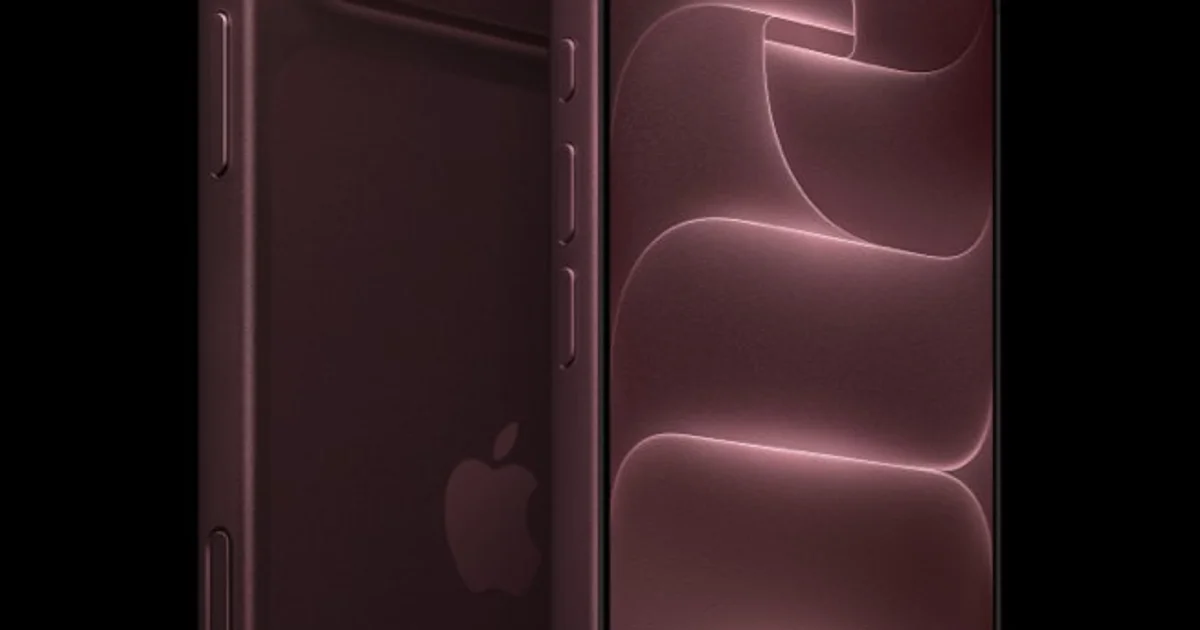
Apple introduced iPhone 18 Pro and iPhone 18 Pro Max on September 9. Their overall shape remains familiar, but the 48MP Fusion Main camera now contains something the iPhone has never previously offered: a physical variable aperture.
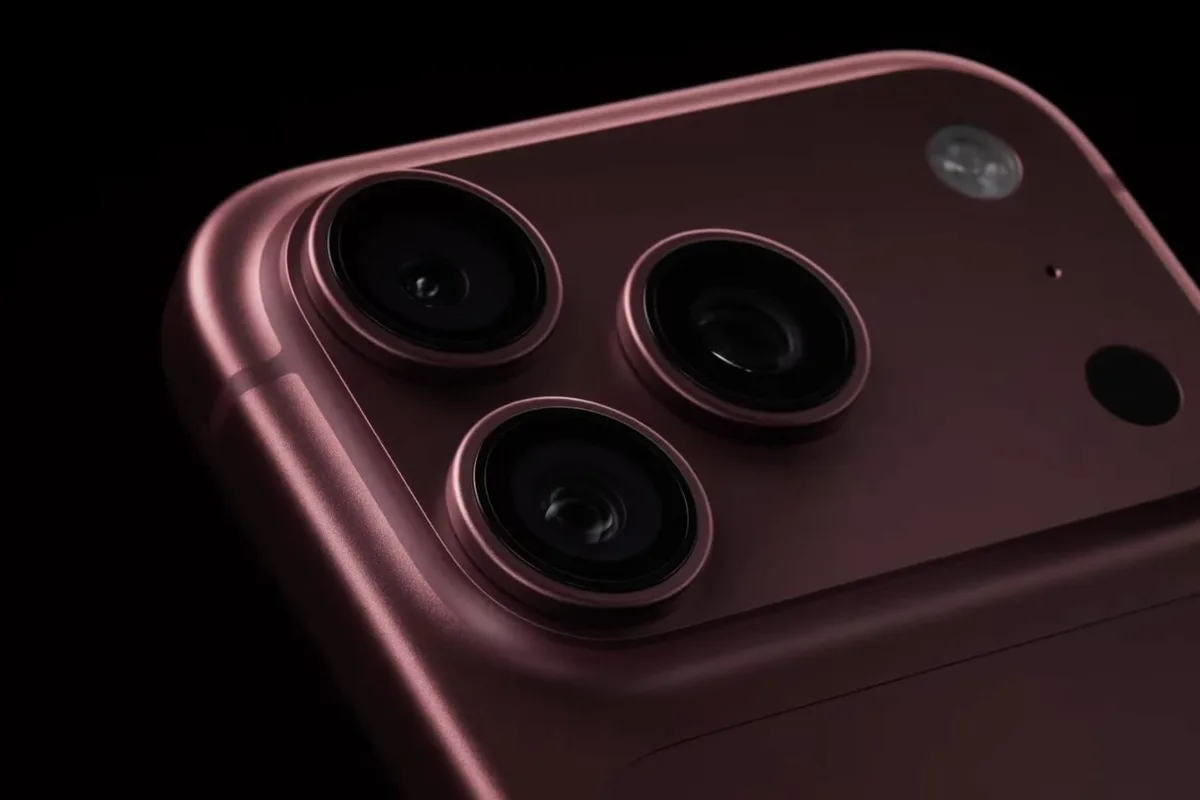
The camera can operate at f/1.48, f/1.8, f/2.8 or f/4. Apple can switch between settings automatically, while users can also select an aperture manually through the Camera app.
Six blades now physically control the light
This is not simulated aperture processing. Six laser-cut blades and a rotor mechanism physically alter the opening in front of the sensor.
At f/1.48, the lens is wider than the fixed f/1.78 Main camera on iPhone 17 Pro. That wider setting could be the most immediately useful part of the system because it gathers more light before computational photography needs to start cleaning up the image.
At the other end, f/4 increases depth of field. Apple demonstrates the setting with group photographs where subjects at different distances can remain sharper. Smartphone physics still applies, though: the sensor and physical focal length are much smaller than those of a full-size interchangeable-lens camera, so the visual difference between aperture settings will not behave like it does on a large sensor.
The stock Camera app is getting properly manual controls
Apple is pairing the mechanical aperture with a new Pro controls interface. Aperture, shutter speed and white balance can be adjusted directly, while a histogram provides a clearer view of exposure.
That software change may matter nearly as much as the lens itself. Several controls that serious iPhone photographers previously relied on third-party applications for are now part of Apple's default camera experience, while automatic shooting remains intact for everyone else.

The Main camera also gets a new sensor and updated computational pipeline. Photographic Styles gain texture and grain controls, Cinematic effects can be applied after recording on footage shot at up to 60fps, and Time-lapse now supports 4K Dolby Vision HDR.
A20 Pro changes the package as well as the process node
A20 Pro moves to a 2nm process and combines a six-core CPU with a seven-core GPU. Two 16-core Neural Engines provide 32 neural cores in total, while memory bandwidth is 50 percent higher than on A19 Pro.
Apple has also changed how the silicon is packaged. The memory is positioned beside the compute die rather than sitting in its thermal path, allowing the processor to connect more directly to the cooling system.
The new vapor chamber has three times the surface area of the one in iPhone 17 Pro. Apple claims up to 40 percent higher sustained performance. That is a manufacturer figure, and extended retail-device testing will be far more useful for determining how much of that gain remains once the chassis is fully heat-soaked.
C2 pushes Apple's modem project another generation forward
The iPhone 18 Pro generation also introduces Apple's C2 cellular modem. Apple says it uses 15 percent less energy than C1X while improving upload performance, and it now supports mmWave in the United States.
An Apple-designed N1 wireless chip handles Wi-Fi 7, Bluetooth 6 and Thread. Processor, cellular modem and local wireless connectivity are increasingly becoming parts of the phone Apple designs itself rather than components it integrates from several suppliers.
Battery gains are substantial, especially on eSIM-only models
Apple rates eSIM-only iPhone 18 Pro for up to 36 hours of video playback and iPhone 18 Pro Max for up to 45 hours. Removing the physical SIM hardware gives those versions additional internal space for battery capacity.
Wired charging can reach 50 percent in around 15 minutes with a compatible power adapter. Wireless charging can reach the same level in roughly 30 minutes.
Preorders opened on September 12, with availability beginning September 18. In the United States, iPhone 18 Pro starts at $1,199 with 256GB of storage, while iPhone 18 Pro Max starts at $1,299.
Variable aperture will get the easiest demonstrations. The wider f/1.48 setting, the native manual controls and the redesigned thermal path may be the upgrades owners actually run into more often.