
 By Kilam
Diablo V is targeting Spring 2029, so a final technical specification would be meaningless this early. Blizzard has not announced a renderer, performance targets or a complete platform list.
It has, however, already outlined several systems that define how the game is being built.
A fixed open world is no longer the only model
Procedural generation is returning as a more prominent part of Diablo V. Blizzard is discussing it not only in relation to dungeons but as part of the broader goal of making exploration less predictable.
The stated design target is persistent discovery. Revisiting an area should not always mean repeating a memorised route through identical geometry and encounters.
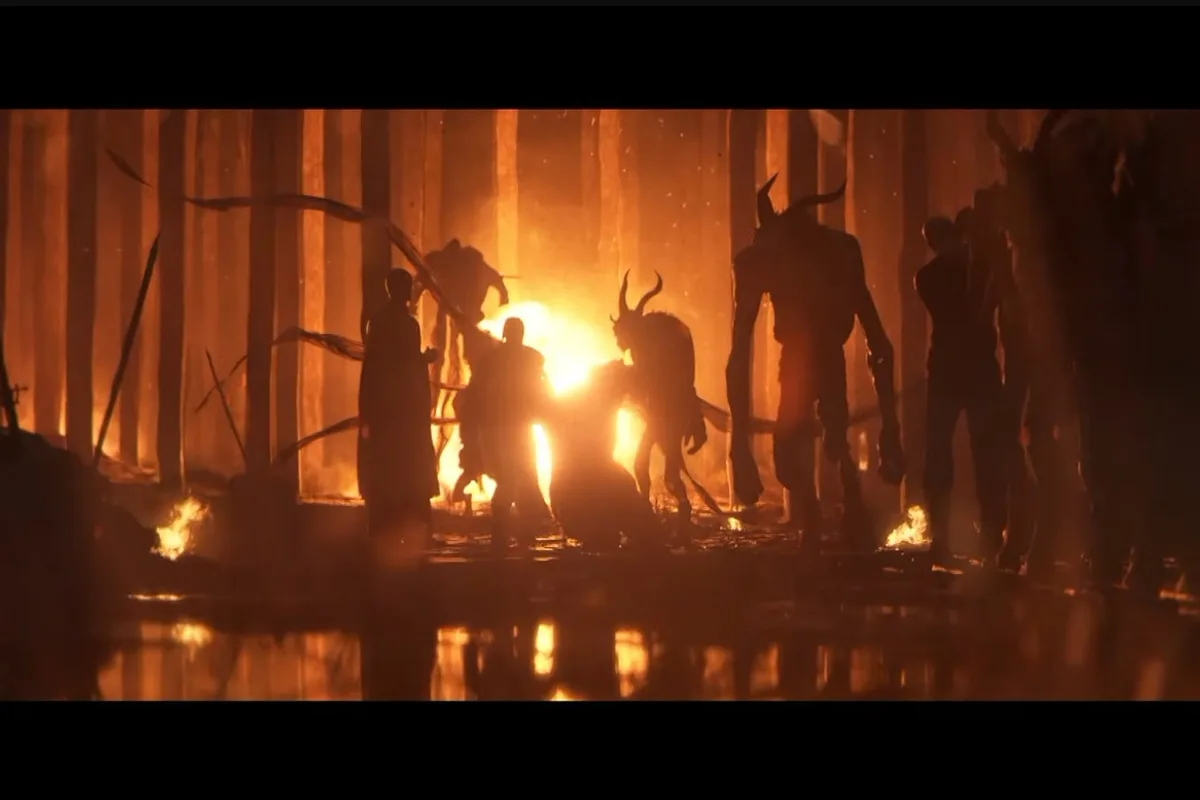
That represents a structural shift from Diablo IV's largely persistent open-world geography. Diablo V appears to be looking for a hybrid in which a large world can exist without every journey through it becoming fixed.
A mobile caravan changes the usual hub architecture
The Heir to Westmarch travels with a growing caravan of survivors. In a setting where permanent safe settlements are scarce, that caravan is intended to provide continuity as the player moves through Sanctuary.
Blizzard has not yet specified exactly which town functions, progression systems or customisation options will live inside it. Treating the caravan as a confirmed concept is reasonable; treating every possible feature as confirmed is not.
Inventory space is becoming a resource again
Blizzard has also shown a renewed focus on physical item identity. Larger equipment can occupy more inventory slots, bringing spatial inventory management back into the loot loop.
That changes more than presentation. A grid forces the player to think about carried space, whereas uniform item slots make physical size largely irrelevant once an object becomes an icon.
The broader itemisation goal is depth, clarity and stronger identity, with previous Diablo games being used as reference points during development.
Class systems are already being built around distinct loops
The returning Demon Hunter and Monk are joined by the Plague Knight. The new class spreads disease across targets and then consumes that sickness as a source of power.
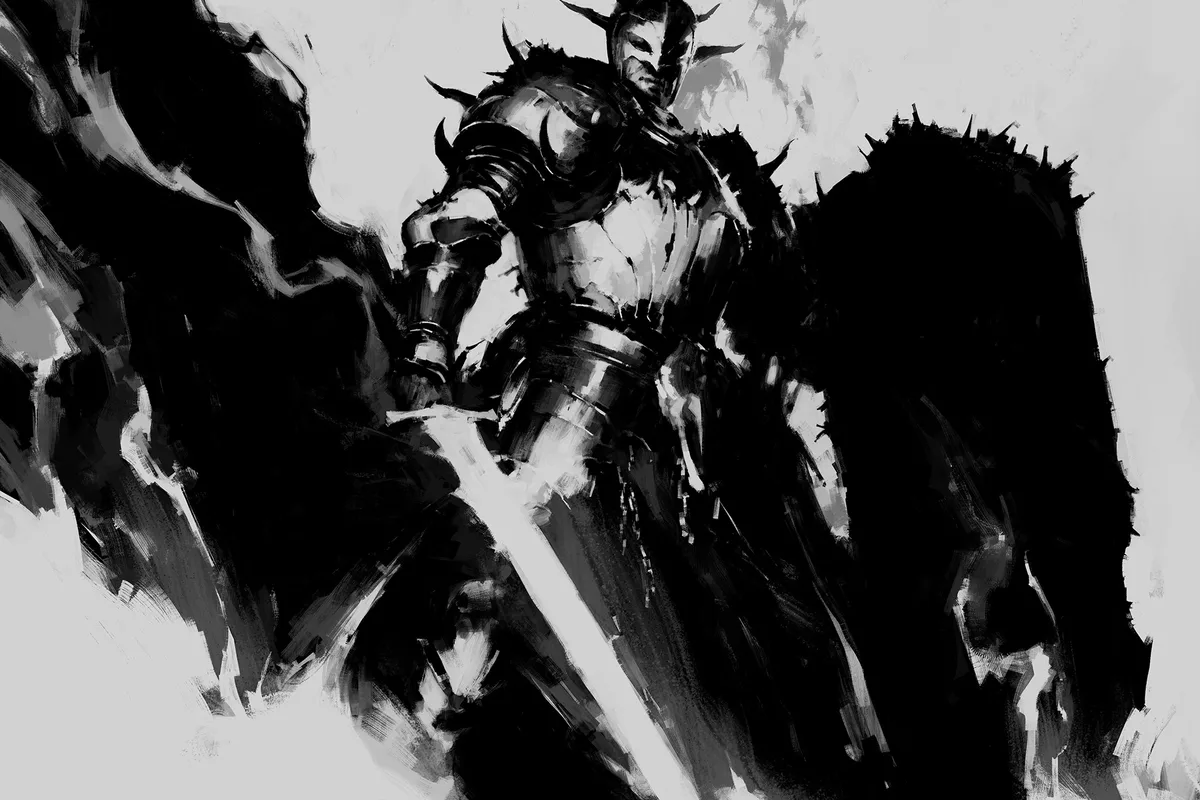
It is an early example of Blizzard trying to make class identity emerge from internal resource and combat systems rather than weapon silhouettes alone.
Rendering details can wait
No graphics API, upscaling technology, resolution target, frame-rate target or official PC specification has been announced.
For now, Diablo V's most concrete technical information is about world generation, inventory structure and systemic design. Performance analysis needs an actual build first.