
 By Tsuky
Counter-Strike 2's September 9 update includes several Cache fixes, but its technical changes are more unusual.
Valve is touching demo data, scripted player cameras and the custom_hud_layout system at the same time.
Team chat is no longer simply readable from a demo
Valve now encrypts chat stored in demo files using the rules previously applied by CS:GO.
Team chat can no longer be read during normal demo playback.
Global chat remains accessible only when the file is opened through Counter-Strike 2's built-in Watch interface.
That distinction matters for external tooling. A demo still preserves the match information required for replay and analysis, but every conversation is no longer exposed as equally accessible data.
The update closes a peculiar information leak
Demo files are explicitly designed to be shared, archived and analyzed.
Team chat is not. It is written for four teammates during a match.
Recording it in a format that makes it trivially readable creates a gap between what players believe they are sharing during play and what becomes available to anybody who obtains the replay later.
Returning to CS:GO's behavior closes that gap without removing the fundamental usefulness of demos.
CSPlayerCamera becomes CustomPlayerCamera
Valve has also renamed and reworked its scripted camera system.
CSPlayerCamera is now CustomPlayerCamera.
The API gains GetPlayer, GetMode, SetMode and SetFollowConfig, while IsEnabled, SetEnabled and SetIsControllingAngles are deprecated.
The name is more generic, but the practical improvement is additional control over which player is being followed and how the camera behaves.
That gives map and mode creators a cleaner base for guided sequences, unusual spectator modes and training interfaces.
Scripted HUDs can now understand that somebody is spectating
custom_hud_layout gains an observable property.
Creators can use it to determine whether a spectator should see the customized interface belonging to the player currently being watched.
Valve also fixed stale HUD state that could survive after switching spectator targets.
Two new top-level classes expose client state: HUD_BUYMENU_VISIBLE and HUD_SCOREBOARD_VISIBLE.
A script can therefore react when the player opens the buy menu or scoreboard instead of trying to infer that state indirectly.
Community HUDs now always render above the game's own interface
Valve has also made custom_hud_layout consistently draw on top of the base HUD.
That removes cases where scripted information could become obscured by native interface elements depending on the situation.
A deterministic render order is particularly useful for custom experiences where the additional HUD contains functional information rather than decoration.
Cache gets competitive maintenance at the same time
The patch is not exclusively for developers.
Cache receives fixes for several geometry gaps, a B-site wallbang, a missing competitive Counter-Terrorist spawn and additional Terrorist spawn points.
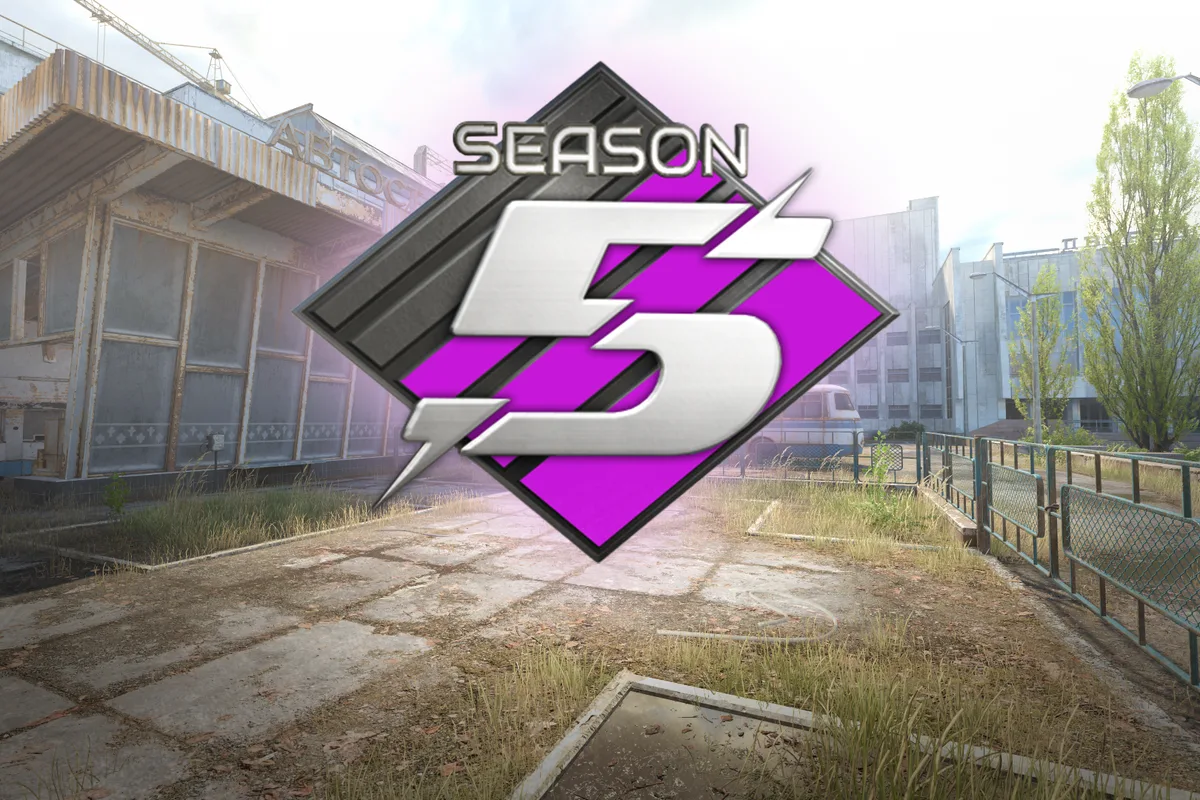
The map has been part of Premier Season Five's Active Duty pool since July, when it replaced Overpass.
Those fixes therefore land on a map that is already part of Counter-Strike's current competitive environment.
Source 2 is still being expanded around the game itself
Counter-Strike 2 was introduced as a major technical transition to Source 2 and a stronger set of community tools.
Nothing in this update is a major store-page feature.
Instead, it addresses the quieter infrastructure around that promise: deciding which replay data should be exposed, giving scripts reliable client states, preventing spectators from inheriting the wrong HUD and providing a cleaner camera API.
Those are the areas where a moddable game begins to function as more than one executable and becomes a platform used by creators, tournament operators and third-party software.
The September 9 patch does not reinvent Counter-Strike 2. It makes several of those interfaces less ambiguous.