
 By Camille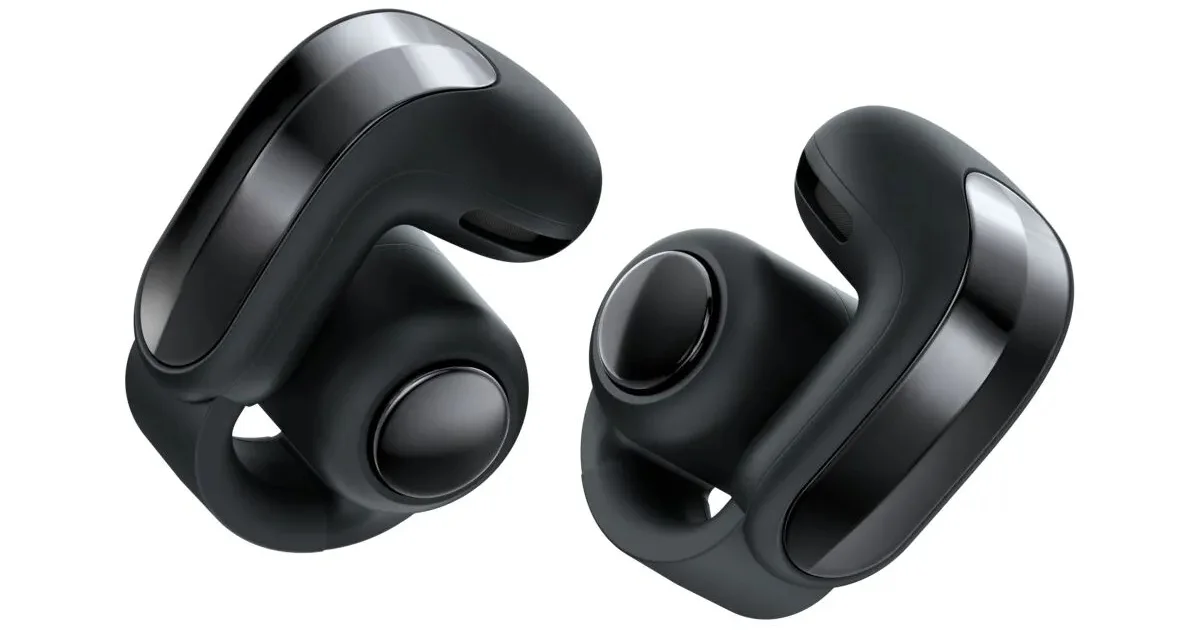
Bose keeps the ear open on purpose
The Ultra Open Earbuds (2nd Gen) retain the cuff-shaped design introduced with Bose's first model in 2024. They sit around the ear instead of sealing the ear canal, leaving traffic, announcements and nearby conversations naturally audible.
There is still no active noise cancellation. In this product category that is not a missing flagship feature; isolation would undermine the reason the earbuds exist. Bose instead uses its OpenAudio acoustic design to direct sound toward the ear while attempting to keep leakage low.
The main acoustic change is a redesigned driver. Bose claims deeper bass and higher maximum volume, while Auto Volume adjusts playback as ambient sound levels rise or fall.
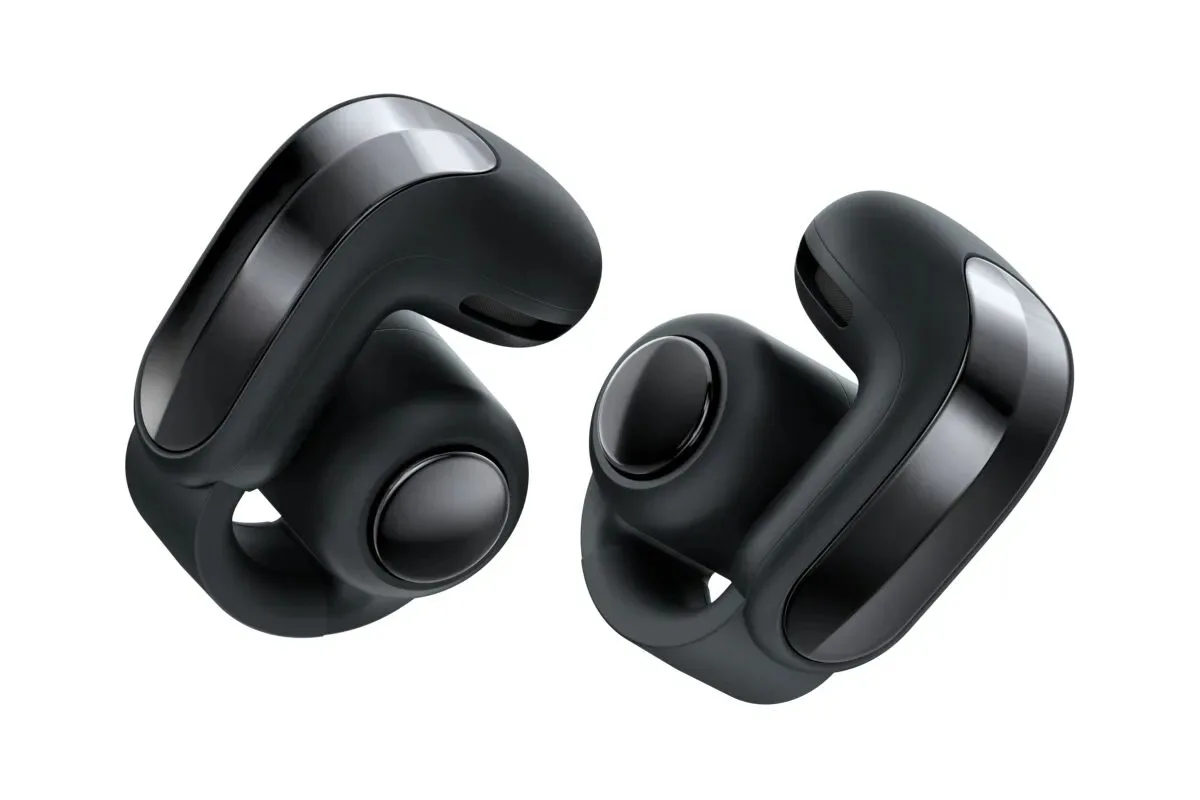
The Ultra finally gets wireless charging as standard
Rated playback time rises to nine hours for the second-generation Ultra Open Earbuds. Their charging case carries another 19.5 hours. The Sport model is rated for seven hours, with 22 additional hours in its case.
Both cases support wireless charging. That is a particularly welcome change for the Ultra line: the original $299 model shipped without wireless charging in its standard case, with Bose later offering a separate compatible charging accessory.
The Ultra model also supports Snapdragon Sound and aptX Adaptive on compatible Android hardware. Both models use Bluetooth 5.4, support AAC and SBC, Google Fast Pair and two-device multipoint connectivity.
TrueSpatial gets a Cinema Mode
The premium model adds Cinema Mode using Bose TrueSpatial processing. It is intended for video and podcasts, widening the apparent soundstage while keeping dialogue anchored in the center. Bose says it works regardless of the content source.
That is a feature that needs listening rather than specification-sheet enthusiasm. Spatial processing can make open earbuds feel considerably larger, but the quality depends on how naturally the processing handles voices, movement and phase. For now, Bose is making a performance claim, not providing an independent test result.
Call handling also changes through SpeechClarity, which Bose describes as AI-enhanced voice isolation. Each earbud combines a dedicated microphone with a separate voice pickup unit to distinguish speech from environmental noise.
Sport gets its own hardware
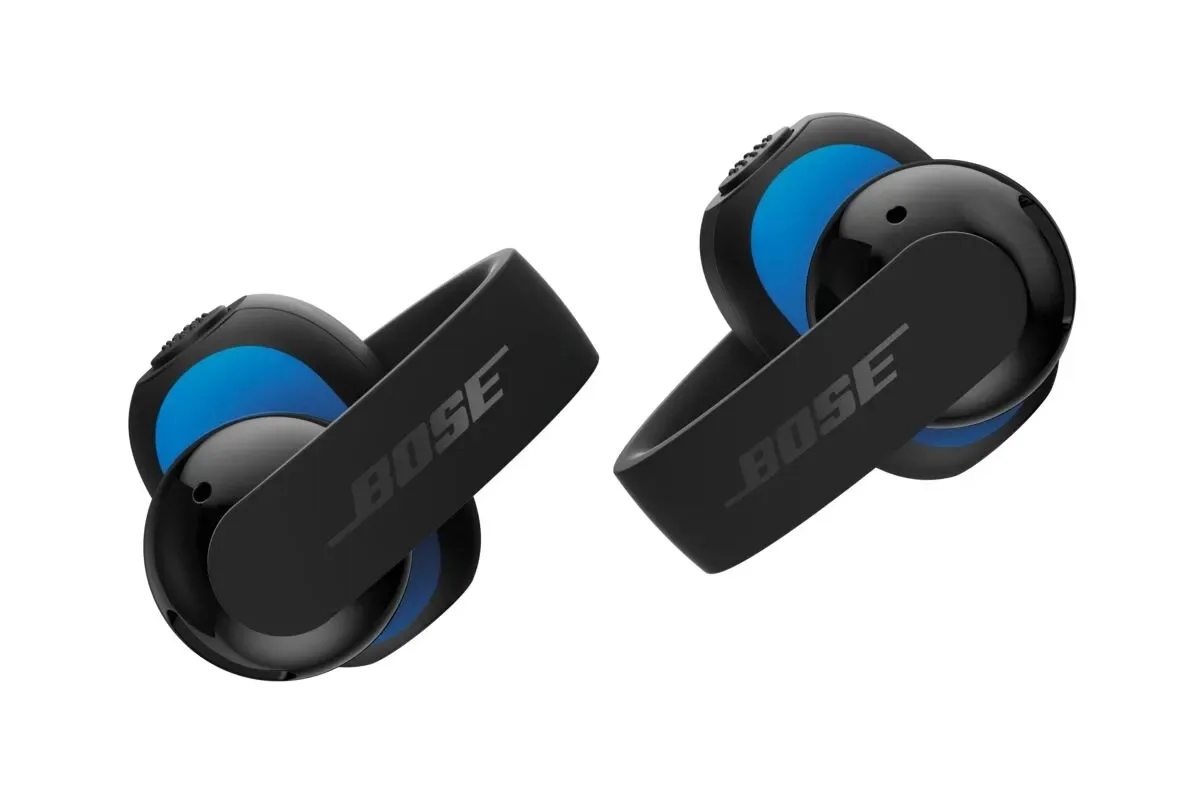
The $199 Sport Open Earbuds are not simply Ultras with features removed in software. Their C-shaped cuff uses a soft, grippy silicone construction intended to remain stable during running and workouts, and Bose has added textured physical controls that should be easier to find with sweaty hands.
The Sport version carries an IP54 rating for dust, sweat and splashes. Auto Volume is included, automatically responding when a run moves from a quiet area into heavier traffic or another noisy environment.
Cinema Mode and Bose Immersive Audio are absent. The lower price therefore comes with a clearer split in priorities rather than just a shorter feature checklist.
Some features will arrive later
Bose says both models will be available in the US on October 1, with preorders opening September 19. The Ultra Open Earbuds (2nd Gen) cost $299 and the Sport Open Earbuds cost $199.
A firmware update planned after launch is expected to add Google Find Hub, Alexa+ and an Apple Music shortcut. The Bose app will continue to handle features including a three-band EQ, Auto Volume configuration and firmware updates.
The $299 proposition remains unusual because Bose is charging flagship-earbud money for a product designed not to shut the outside world out. The more interesting change this year is that open-ear audio is no longer being treated as a single experimental model in the Bose lineup.