
 By Tsuky
Bitcoin ETFs pulled in $730.9 million in a single session
US spot bitcoin ETFs recorded $730.9 million of net inflows on September 3, their strongest single day since January 14.
BlackRock's IBIT accounted for roughly $454 million of that total. Six additional products, including funds from Fidelity and Grayscale, also reported positive flows.
The move followed a strong August in which US bitcoin ETFs attracted approximately $3.5 billion, their best month since September 2025.
Bitcoin moved back above $81,000 around the same period and remains above $80,000 on September 7.
The macro story is still sitting behind the crypto rally
Federal Reserve Governor Christopher Waller gave markets a temporary boost when he said he could favor holding rates steady if inflation continued to cool.
The subsequent US employment report was stronger than expected and pushed rate-hike expectations higher again.
That makes the latest ETF demand significant without making it permanent. The next inflation data and Federal Reserve decision still have plenty of room to alter the trade.
Technical traders are also watching moving-average crosses, including the familiar 50-day versus 200-day golden cross. It remains a lagging indicator based on past prices, not a guarantee that Bitcoin has begun another long-term rally.
Zcash has suddenly become a four-digit asset
ZEC traded above $1,000 on September 4, excluding the extremely volatile days immediately following its initial exchange listings in 2016.
Its monthly gain was close to 94 percent at the time.
Grayscale's ZCSH exchange-traded fund had accumulated at least $34.4 million of net inflows since launching on August 25, adding a new regulated access route to an asset built around privacy technology.
Mining competition has risen alongside the price. Additional network hash power means more miners are competing for the same block rewards, already putting pressure on estimated revenue for individual machines.
South Korea is preparing to tokenize ordinary securities
The Financial Services Commission published a three-stage roadmap on September 4 that goes far beyond niche fractional assets.

The first stage begins in February 2027 and is expected to include certain institutional bonds and money-market funds, trust-based unlisted shares and publicly offered fractional investment securities.
A second stage is intended to expand the system to all publicly offered security types.
The final stage is the one that most clearly connects conventional markets to crypto infrastructure: South Korea wants to develop onchain payment rails linked to stablecoins.
The regulator says later phases will depend on how the initial rollout performs, technological development and pending stablecoin legislation.
Coinbase wants perpetual futures to escape crypto
Coinbase filed documents with the SEC on September 3 seeking approval to offer equity perpetuals.
Perpetual contracts became enormously popular in crypto because they provide futures-like exposure without a fixed expiry date.
Applying the structure to equities would import one of crypto trading's defining products into the regulated securities market.
The filing is not an approval. The SEC still has to review the proposal.
Hyperliquid's US route would likely look very different from Hyperliquid today
The existing Hyperliquid venue restricts US users under its terms even as its perpetual markets have become increasingly important globally.
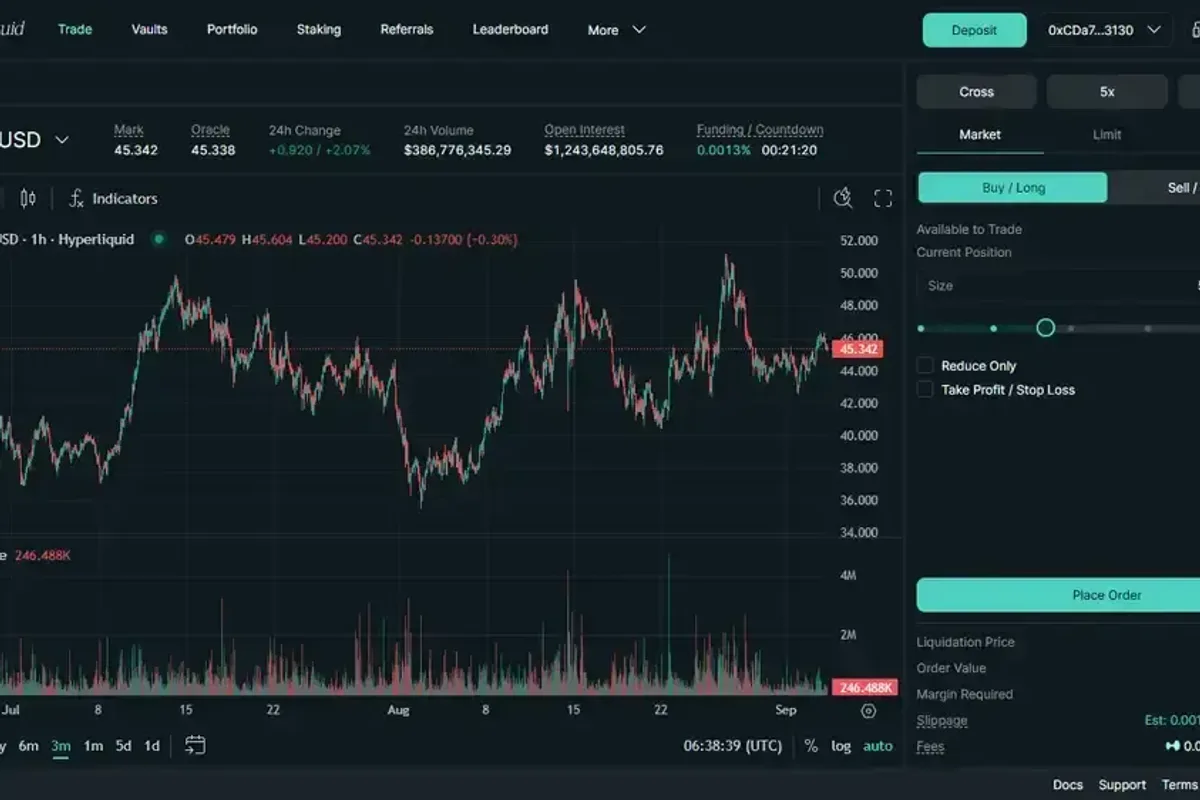
The Trump administration has said it wants to find a fully compliant way to bring Hyperliquid-related products into the United States.
One potential structure involves Kraken parent Payward and CFTC-regulated Bitnomial providing registered users with access to selected perpetual products linked to Hyperliquid markets and infrastructure.
That could mean KYC, sanctions checks, custody protections, reduced leverage and a smaller list of markets rather than simply switching on the existing permissionless venue for US customers.
No final structure has been formally announced.
OpenReserve is taking the opposite route: become a bank first
The Office of the Comptroller of the Currency has granted preliminary conditional approval for OpenReserve Bank, National Association.
OCC records show the charter application was approved on September 2. OpenReserve cannot begin operating yet.
The proposed institution must raise at least $210 million in paid-in initial capital net of organizational and pre-opening expenses, complete the OCC's pre-opening requirements and maintain at least a 12 percent Tier 1 leverage ratio through its first three years.
Its proposed services include deposits, lending, treasury products, tokenized deposits, digital-asset custody and foreign correspondent banking.
OpenReserve also plans a subsidiary for issuing, custodying, converting and making payments with reserve-backed dollar stablecoins. That subsidiary will require its own regulatory process.
A bank built for 24/7 settlement is a different proposition from a crypto licence
OpenReserve was founded by Diwakar Choubey and Richard Correia and previously raised a $25 million seed round led by a16z crypto.
Coinbase Ventures, Wintermute Ventures, Jump Capital and several other investors participated.
The company's pitch is a programmable core ledger and native onchain settlement inside a federally supervised full-service bank.
Final opening also depends on requirements beyond the OCC charter process, including FDIC deposit-insurance approval and Federal Reserve arrangements.
Stablecoins are becoming plumbing
Diameter Pay's latest funding round illustrates the quieter side of the same transition.
The company raised $10 million in a Series A co-led by CMT Digital and Lightspeed Faction, with participation from the Stellar Development Foundation and several other investors.
Diameter provides institutions with an API for dollar accounts, domestic and international payments, stablecoin on- and off-ramps and embedded compliance.
It says more than $10 billion has moved through its infrastructure so far in 2026.
A payment can therefore use a stablecoin somewhere in the settlement chain without turning the end customer into a crypto trader.
El Salvador's public Bitcoin story has an important accounting footnote
The International Monetary Fund says El Salvador has not used public money to accumulate bitcoin since June 2025.
According to documentation supplied to the IMF, subsequent additions to the country's holdings came from private donations.
That matters because public wallet balances continued to increase, creating an easy impression that direct state-funded purchases were still happening.
The IMF says no further accumulation beyond documented private donations is expected and is seeking better transparency across public-sector crypto holdings.
A staff-level agreement on the second and third reviews of El Salvador's 40-month Extended Fund Facility could release roughly $140 million if the IMF board approves it and agreed prior actions are completed.
Trezor's breach is about identities, not private keys
Trezor disclosed on September 4 that approximately 67,000 additional US customers were caught in the ShipMonk data breach.
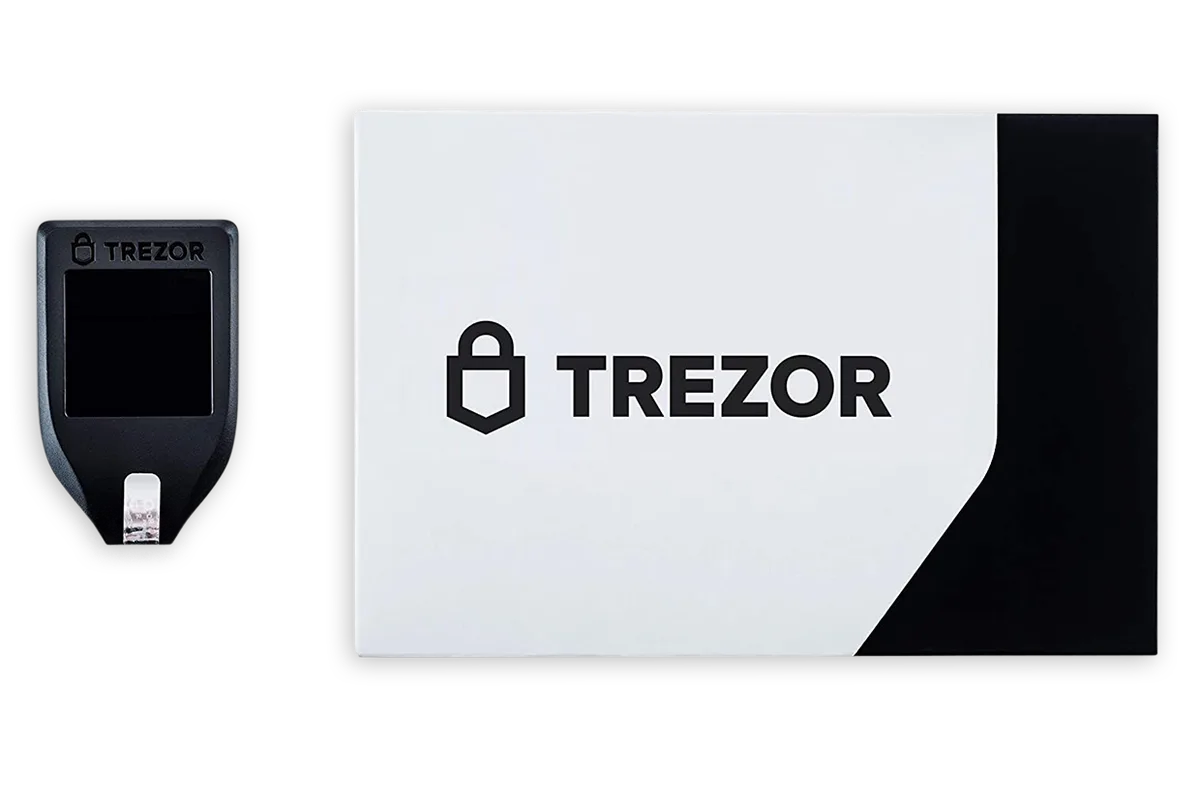
They join roughly 13,689 customers identified in the initial disclosure, bringing the reported scope to more than 80,000 people.
The newly identified records cover US orders from November 2019 through August 2021 and include names, email addresses, phone numbers, shipping addresses and order numbers.
Trezor says its own systems and hardware wallets were not compromised. Recovery seeds and wallet backups are not among the exposed data it has disclosed.
That still leaves a particularly uncomfortable security problem. A database connecting real names and home addresses with known hardware-wallet purchases can make phishing, impersonation and physical targeting considerably more convincing.
These stories are starting to look like one story
Bitcoin ETF inflows, Zcash's ETF-driven revival and short-term price signals still look like familiar crypto-market news.
The other developments are harder to keep inside that old category.
South Korea wants stocks and bonds on tokenized infrastructure. Coinbase wants equity perpetuals. A regulated US route is being designed around Hyperliquid technology. OpenReserve is attempting to combine a national bank charter with tokenized deposits and onchain settlement. Diameter Pay is making stablecoins disappear behind payment APIs.
Crypto is borrowing regulation and institutions from traditional finance at the same time traditional finance borrows 24/7 markets, programmable settlement and tokenization from crypto.
And through all of that, Bitcoin is trading a little above $80,000.