
 By Camille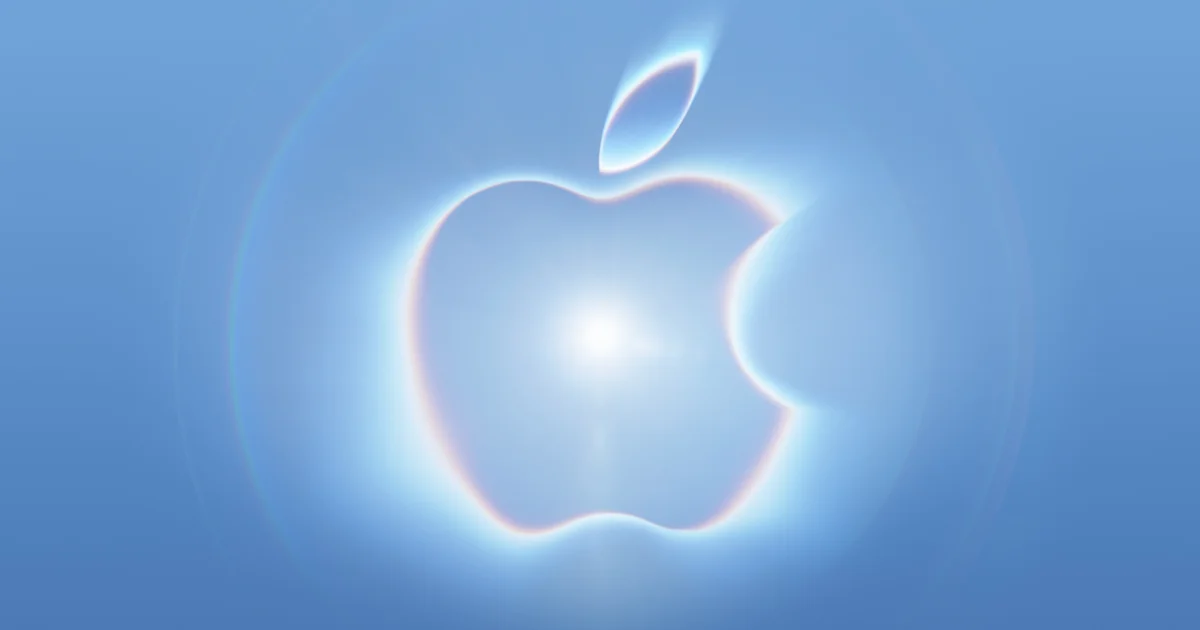
Apple announced its next special event on August 26.
The presentation begins Wednesday, September 9 at 10 a.m. Pacific Time and will stream through apple.com, the Apple TV app and YouTube.
The event uses the tagline “Surprise and shine.”
Apple has not publicly attached a single product name to the invitation.
The official announcement does not even say iPhone
Apple's event page contains no confirmed hardware list.
There is no official reference to an iPhone 18 Pro, iPhone 18 Pro Max, foldable iPhone, Apple Watch or any other new device.
That matters because the event is already being described widely as Apple's foldable-iPhone launch.
The reporting is credible and unusually consistent, but it still originates from industry sources, analysts and publications following Apple's supply chain.
It does not yet come from Apple.
The foldable has nevertheless become the main expectation
Reuters reports that Apple is expected to introduce its first foldable iPhone at the event.
Axios and several specialist publications make the same prediction.
Reports generally describe a book-style device with an internal display approaching small-tablet territory when opened.
Some publications have already used names such as “iPhone Ultra.”
Apple has confirmed none of those details.
The same applies to reported dimensions, camera compromises, Touch ID, hinge construction and other specifications circulating ahead of the keynote.
If it exists, it would be a much bigger change than another annual Pro refresh
Apple has altered iPhone materials, cameras, display sizes and industrial design repeatedly since the iPhone X.
The fundamental object has remained a rigid slab.
A phone opening into something closer to a tablet would require a deeper change in interaction.
The interesting questions would immediately extend beyond hinge durability.
iOS 27 would need to handle transitions between external and internal displays, apps would have to adapt to changing aspect ratios, and Apple would need to justify the thickness, weight and likely premium pricing associated with foldable hardware.
Samsung, Google and Motorola already have years of experience
Apple would be entering an established category rather than inventing one.
Samsung has sold Fold devices since 2019 and has accumulated multiple generations of lessons around hinges, flexible displays and multitasking.
Google and Motorola also compete in foldable hardware.
Apple's late arrival would not automatically be a disadvantage.
The company has repeatedly entered categories only after hardware and software concepts matured enough for tighter integration.
It does, however, raise expectations because Apple's first attempt would immediately be compared with competitors that have already spent years fixing early-generation weaknesses.
The iPhone 18 Pro models are the less dramatic prediction
Even without a foldable, Apple is widely expected to refresh the premium end of the iPhone lineup.
Reuters and specialist reporting point toward iPhone 18 Pro and iPhone 18 Pro Max models.
Rumors include a new generation of Apple silicon, camera changes and design refinements.
None of those specifications is official as of August 31.
The September 2025 event introduced iPhone 17 Pro, iPhone 17 and iPhone Air, but Apple has not promised to repeat the same lineup structure in 2026.
The regular iPhone 18 may not even appear this year
One of the more unusual reports concerns Apple's release calendar.
MacRumors and The Verge say Apple may reserve September for the Pro models and foldable device while delaying the standard iPhone 18 until spring 2027.
That would break the familiar pattern of refreshing most of the iPhone family together in the fall.
Apple has not confirmed that plan.
It remains a supply-chain and media expectation until the company says otherwise.

September 9 is also John Ternus's first major public product test
The leadership transition is not a rumor.
Apple announced in April that John Ternus would become CEO effective September 1, 2026.
Tim Cook moves to Executive Chairman after fifteen years as chief executive.
Ternus is not an outside hire.
He joined Apple in 2001, eventually became Senior Vice President of Hardware Engineering and has overseen engineering work across iPhone, iPad, Mac, Apple Watch and AirPods.
The September keynote arrives only eight days after he formally takes the top job.
That makes any major hardware change unusually symbolic
A first foldable iPhone would be an obvious headline for a CEO whose career inside Apple was built around hardware engineering.
That should not be confused with Ternus personally creating a product unveiled one week into his tenure.
Apple hardware programs operate over multi-year development cycles, and the 2026 lineup was shaped extensively while Tim Cook remained CEO.
The symbolism still matters.
The first major launch of the Ternus era could coincide with the most substantial physical change to the iPhone in years.
Component economics make the launch more difficult
Reuters also points to pressure from the component market.
Demand from AI infrastructure continues to affect supply and pricing for memory and other advanced electronics.
Apple has already raised pricing on some Mac and iPad products during 2026.
Analysts are therefore watching whether the new iPhones can maintain familiar price structures, particularly if a foldable requires more display area, memory and specialized mechanical components.
Apple has announced no prices.
A very expensive foldable could still make strategic sense
Reuters says analysts expect a foldable model to support higher average selling prices and margins.
That would suggest a product positioned above rather than instead of the conventional iPhone lineup.
Apple could test a new hardware category without requiring immediate volumes comparable with standard iPhones.
Analyst shipment forecasts remain projections, however, not guidance from Apple.
Apple Watch and other hardware may share the stage
Apple's September events rarely consist of one iPhone announcement.
Specialist publications expect refreshed Apple Watch models, including a Series 12 and another Ultra generation.
Other products, particularly devices for the home, also appear in pre-event reporting.
Apple may additionally use the keynote to announce release dates for iOS 27, watchOS 27 and the other operating systems introduced at WWDC.
Again, none of those products is named on Apple's September 9 invitation.
For now, the only confirmed surprise starts at 10 a.m. Pacific
Apple's event artwork shows a bright central flare inside an iridescent glowing logo.
As usual, the image is already being interpreted as a clue about materials, displays and product colors.
Those interpretations are speculation.
As of August 31, Apple guarantees only that “Surprise and shine” begins on September 9 at 10 a.m. Pacific.
Everything else, including what could become the company's most important iPhone form factor change in years, still has to make the final transition from report to product on stage.