
 By Tsuky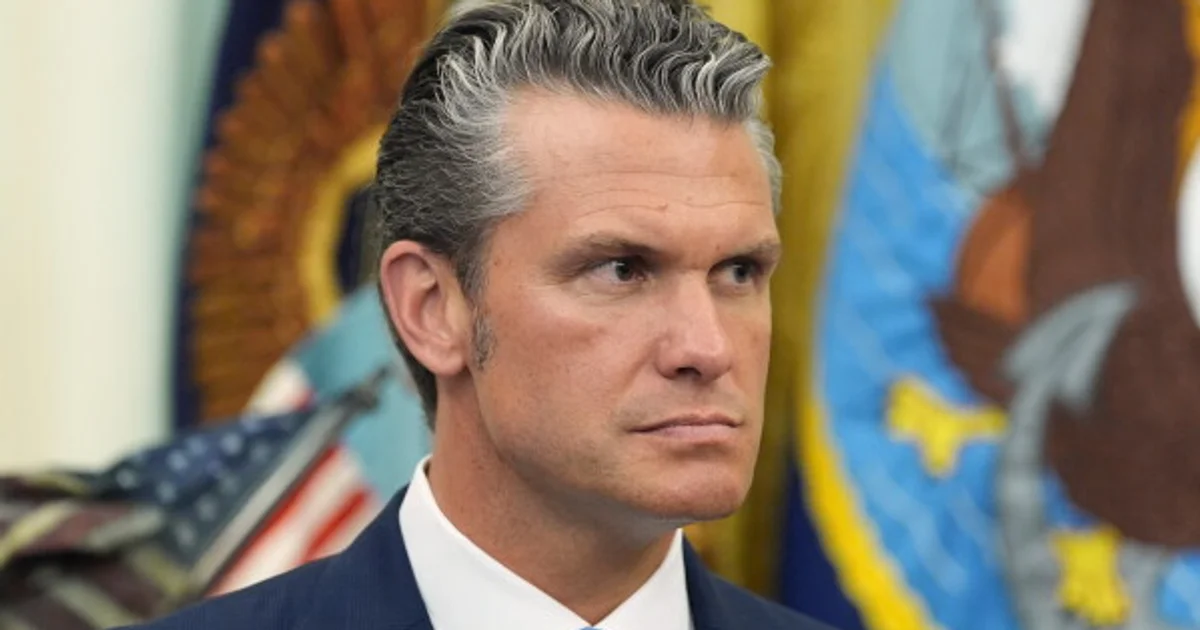
The order was issued on August 27 after months of litigation over the military use of Claude. According to Reuters and Associated Press, Lin concluded in a 59-page ruling that the Pentagon’s action against Anthropic was unlawful and was not supported by an adequate showing that the company posed the kind of sabotage or infiltration risk the procurement mechanism was designed to address.
The disagreement started with two red lines
Anthropic had been negotiating the terms under which Claude could be used for US national-security work. The company said it supported lawful military uses of its models with two exceptions: mass domestic surveillance of Americans and fully autonomous weapons.
Its argument on autonomous weapons is largely technical. Anthropic says current frontier models are not reliable enough to make lethal decisions without human control. Its objection to mass domestic surveillance is framed around fundamental rights.
The Pentagon took a different position. Government lawyers argued that private AI vendors should not be able to constrain military operations through restrictions embedded in contractual terms, and that uncertainty over those restrictions could become a problem once a model was being used in operational systems.
The court focused on retaliation, not model capability
That distinction became central to the case. Anthropic argued that the supply-chain designation was retaliation for its public criticism of the government’s preferred AI policy rather than a response to evidence that Claude posed a genuine security threat.
Lin agreed that the record did not justify treating Anthropic like a supplier capable of sabotaging military systems. The company had also challenged the action under the First Amendment and argued that it had been denied adequate due process under the Fifth Amendment.
The designation itself was unusual. Reuters reported that this was the first known public use of the relevant supply-chain-risk mechanism against a US company, rather than against a supplier associated with a foreign security threat.
Anthropic still wants government business
The ruling does not turn Anthropic into an opponent of military AI. The company has repeatedly said that it wants Claude used for national-security work outside the two categories it refuses to support, and it has pointed to its previous deployment of models on classified US government networks.
Anthropic said after the decision that it remained focused on working productively with the government on national-security applications. The Pentagon had not immediately responded to Reuters’ request for comment.
There is also another case to watch. Anthropic has a separate lawsuit pending in Washington over a different Pentagon supply-chain-risk action, one that could affect the company’s ability to participate in civilian federal contracts.