
 By Tsuky
Android 17 QPR2 Beta 4, released on August 28, contains a new Agents entry under Security & privacy > Privacy controls.
The page was subsequently documented by Android Authority, and its wording gets straight to the capability Android is trying to supervise: agents that can access information or take actions within apps.
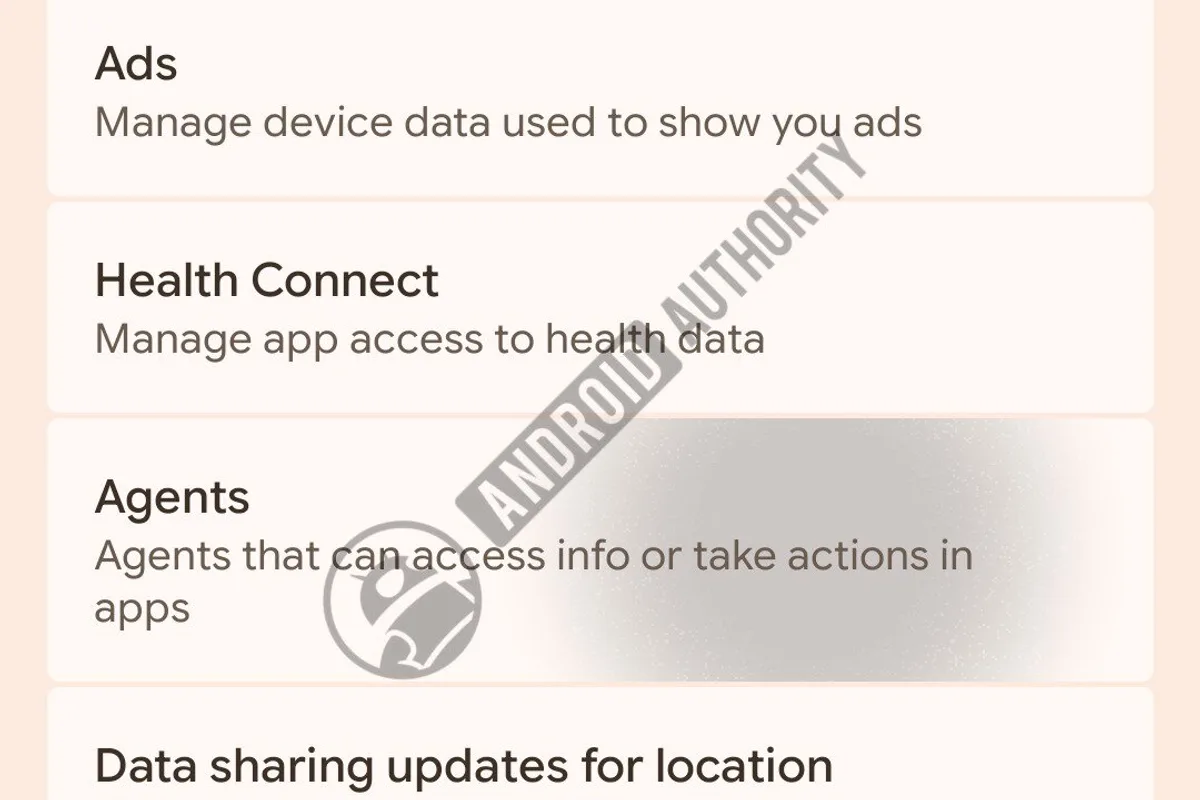
That is a more useful definition than tying the setting to Gemini or any particular model. Android is categorizing the software by what it is allowed to do on the device.
The dashboard exists before its agents do
There was nothing to manage on Android Authority's test device.
Opening the page produced a “No agent apps available” message and instructed the user to install an agent app to enable the feature.
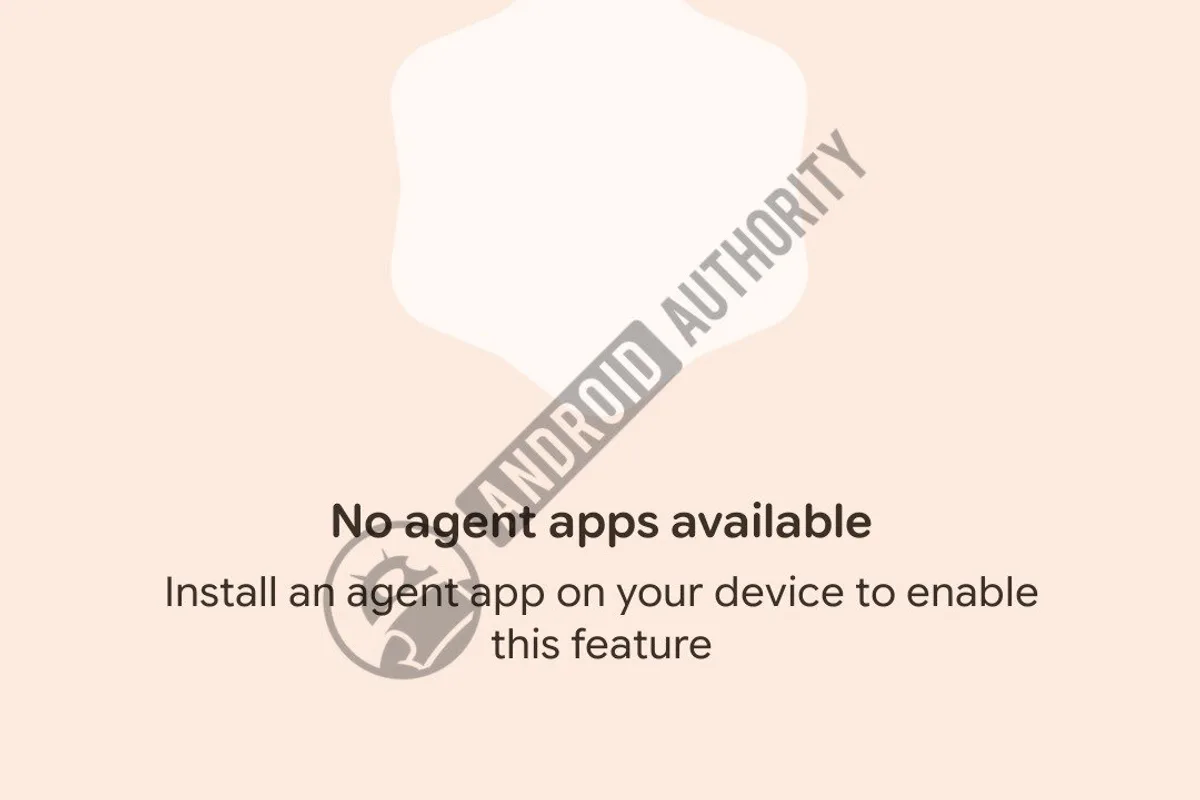
So the current beta confirms the system surface, not the finished management experience.
It does not yet show us a populated list of agents, individual app permissions, activity history or the complete set of controls that will appear beside a compatible service.
Google has not called this an agent permission manager
The page itself says “Manage access for agents on this device,” which sounds broad. It would still be premature to treat it as a fully defined replacement for Android's existing permission model.
Google has not published dedicated documentation for the newly surfaced page.
It has, however, described more specific controls for its own Gemini Intelligence automation. App automation will be switchable for individual apps, Google says, and Gemini is intended to access only apps the user has allowed it to work with.
Purchases are also supposed to require confirmation rather than being completed autonomously.
The activity log was announced months before this menu appeared
Google laid out a broader transparency plan in May.
Its Android security team said Privacy Dashboard would be expanded to show which AI assistants had been active and which apps they used during the previous 24 hours.
The Agents screen in Beta 4 does not yet expose that full history. It looks more like infrastructure for the system Google already described.
QPR2 Beta 4 is also beginning to expose another side of that infrastructure through Private Compute Core data logging, which can make some outbound activity from Android's isolated processing environment inspectable.
A settings page is not enough when the agent works in the background
Android Halo is supposed to handle the live side of the problem.
Previewed at Google I/O 2026, Halo places subtle agent status at the top of the phone while a supported agent is working, entering a live mode or sending the user a message.
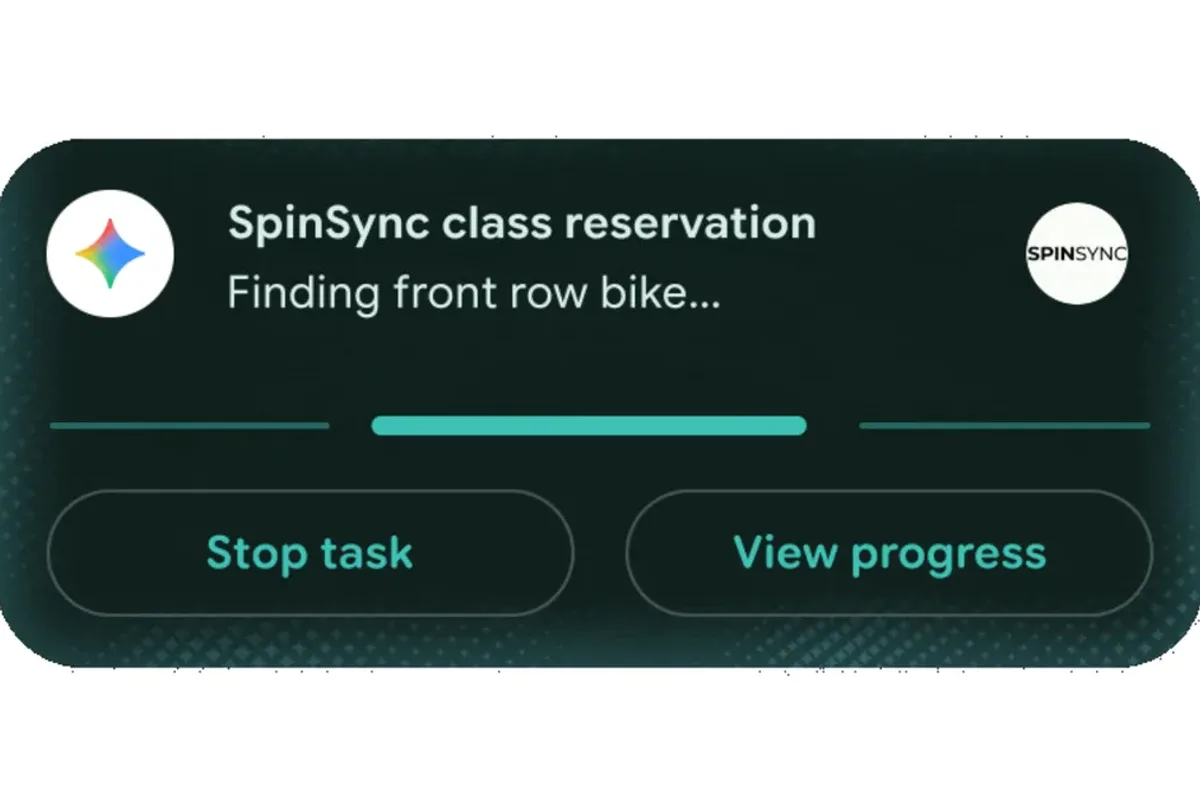
Google separately says Gemini app automation will expose a View progress option. If the user leaves the automated app, a notification chip at the top of the display is designed to remain visible rather than disappear quietly.
That matters because an agent's useful work may take minutes rather than the seconds associated with a normal permission request.
Android Halo is due later in 2026. It is not yet the same thing as the empty Agents page appearing in QPR2 Beta 4.
Third-party agents appear to be part of the plan
Android Authority interprets the generic wording in the beta as evidence that the dashboard could cover agentic apps beyond Gemini Spark.
That specific dashboard behavior has not yet been officially confirmed.
Google's broader statements do support the direction. Android Halo is explicitly meant to work with Gemini Spark and other supported agents, while Google's security team says it wants Android to remain an open platform for third-party developers and device makers building agentic experiences.
A system-level privacy surface becomes much more valuable if it can describe all supported agents rather than only Google's own.
Agents make the old one-permission-at-a-time mental model harder to use
Traditional Android permissions tend to describe resources: camera, microphone, contacts, location.
An agent operates closer to a workflow. Booking something might involve reading a message, opening an app, entering information in another interface and reaching a transaction screen.
The user needs to understand not only which data source was touched, but which assistant acted, which apps it moved through and whether it is still working.
Google calls this operational transparency. Its proposed answer combines live indicators, Privacy Dashboard history and controls that let the user inspect ongoing automation.
Beta 4 gives us the category before the complete policy
The official Android 17 QPR2 Beta 4 builds are CP41.260814.003.A2 and CP41.260814.003.B1, released August 28 with the August security patch level.
As a beta feature, Agents can still change before QPR2 reaches stable devices. Google has not published a final compatibility list or documented every control the page will expose.
Its placement is nevertheless notable. Android's Privacy controls already organize access around categories such as camera, microphone and health data. The operating system now has another category sitting alongside them: Agents.
The real test begins when that empty screen finally has something listed on it.