
 By Adri
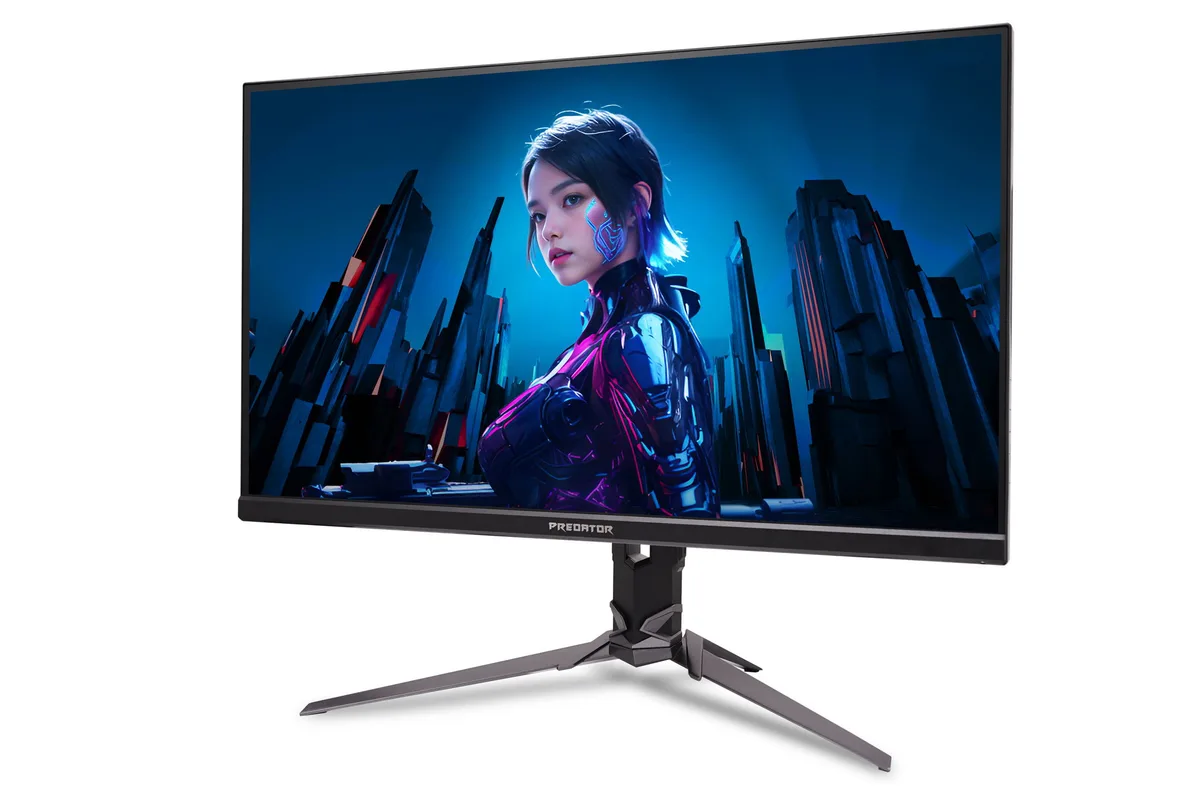
Predator XB253Q U1 keeps 1080p at maximum speed
Acer's 24.5-inch IPS panel runs 1920 × 1080 at 1000Hz. That is more than 2.07 billion displayed pixels per second before transmission overhead and color-depth requirements are considered.
The company pairs the panel with VRB Pro and quotes a 0.3ms response time. The display also supports AMD FreeSync Premium and NVIDIA G-SYNC Compatible.
Connectivity includes two HDMI 2.1 inputs and DisplayPort 2.1.
Samsung starts from 1440p at 600Hz
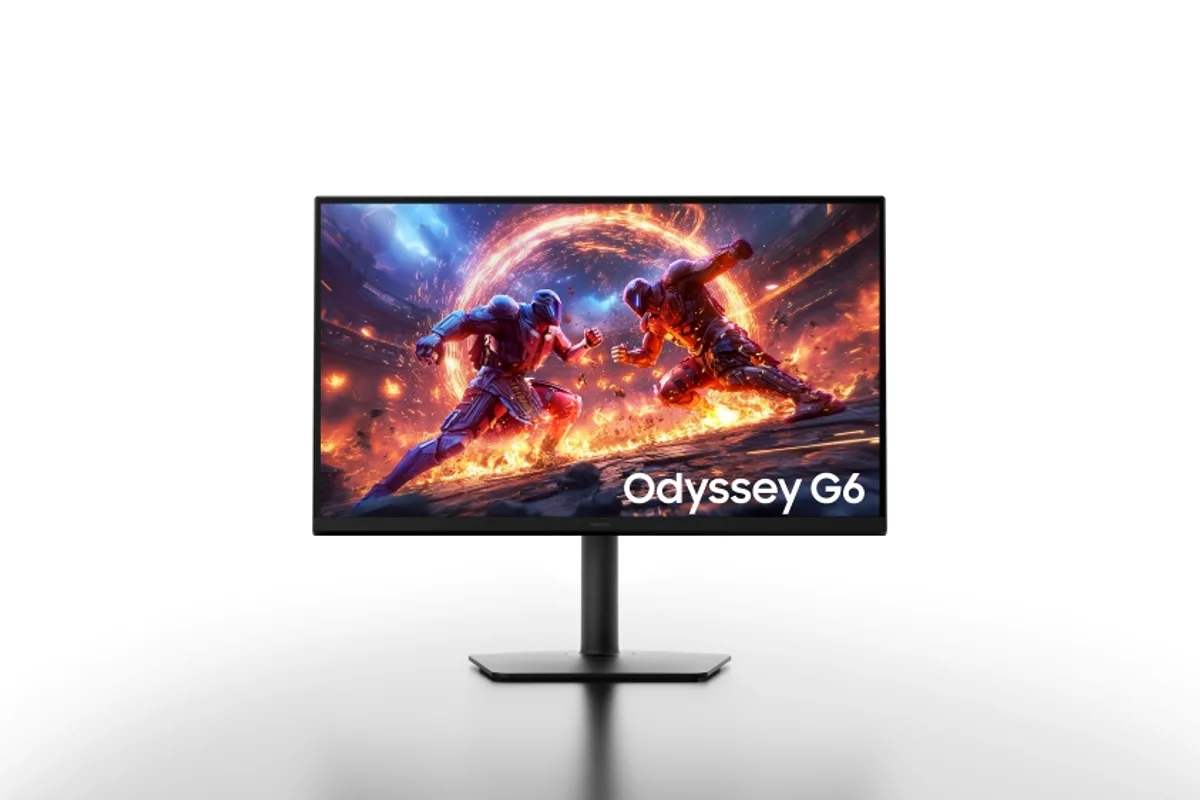
Odyssey G6 G60H is a 27-inch Fast IPS monitor whose native performance mode is 2560 × 1440 at up to 600Hz.
Its Dual Mode switches to HD for the 1100Hz setting. Samsung originally announced 1040Hz for the G60H at CES before increasing the final specification to 1100Hz ahead of launch.
IFA is therefore not the original unveiling of that number. Samsung finalized and presented the 1100Hz specification at Gamescom before showcasing the monitor again in Berlin.
The refresh-interval advantage is around 91 microseconds
A 1000Hz display refreshes every 1ms. At 1100Hz the interval is approximately 0.909ms.
Samsung therefore removes roughly 0.091ms from the theoretical scan interval compared with Acer's maximum mode.
At this scale, GPU render time, CPU simulation, the game's frame pipeline, mouse latency and LCD transition behaviour can each become more significant than the numerical gap between the two refresh rates.
LCD response becomes increasingly unforgiving
Refresh rate describes how often the panel can begin displaying a new frame. It does not prove that every liquid-crystal transition has completely settled before the next one begins.
Acer quotes 0.3ms using VRB Pro, while Samsung specifies 1ms for its Fast IPS G60H.
Those manufacturer figures should not be treated as directly comparable laboratory measurements without independent testing. Different response-time methods and overdrive behaviour can produce very different real motion results.
A true 1000fps workload has a 1ms render budget
Fully feeding Acer's display with unique frames means producing one frame every millisecond on average.
At 1100fps, the corresponding budget is roughly 0.91ms.
That is plausible only for particularly light competitive workloads on extremely fast systems. Heavy modern games routinely need many times that long to render a single frame.
Samsung's HD mode makes that performance target easier by reducing pixel count. Acer's 1080p mode asks considerably more of the rendering pipeline.
QHD at 600Hz may be the G60H's more practical trick
At native 2560 × 1440, Samsung still refreshes every 1.67ms.
That is already faster than the 500Hz-class displays that only recently represented the top of competitive LCD technology, while preserving a much denser desktop and gaming image than HD.
For players who do not consistently generate four-digit frame rates, the 600Hz QHD mode may prove more useful than the record mode that dominates the specification sheet.
Acer has revealed the expensive part
Predator XB253Q U1 arrives in EMEA during Q1 2027 starting at €1,099. North American pricing starts at $1,099.99.
Samsung says the Odyssey G6 will launch globally during the second half of 2026 but has not yet announced pricing for individual markets.
Independent motion testing will ultimately be more revealing than another refresh-rate record. Acer has at least told us how much its version of the experiment costs.