 By Tsuky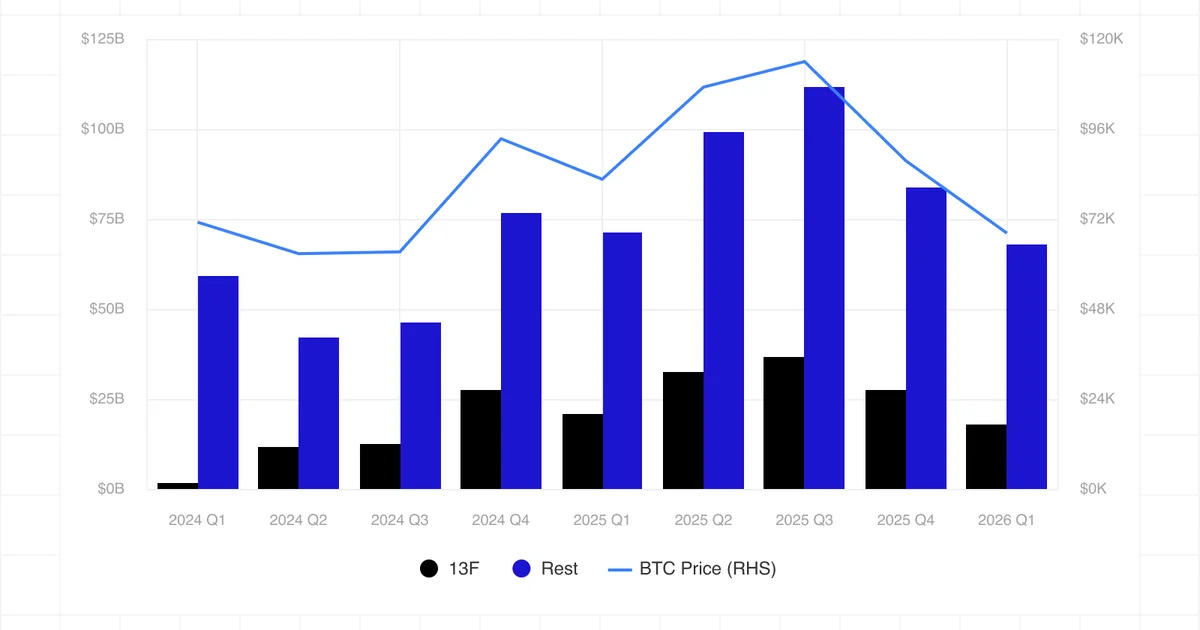
Bitcoin ETFs just pulled in $730.9 million
US spot Bitcoin ETFs recorded $730.9 million in net inflows on September 3, their strongest single session since January 14.
BlackRock's IBIT accounted for roughly $454 million. Six other funds, including products operated by Fidelity and Grayscale, also received net inflows.
August had already delivered about $3.5 billion for the US Bitcoin ETF complex, its strongest month since September 2025.
Bitcoin moved back above $80,000 around the same period. Macro conditions were part of that move too, particularly changing expectations around US monetary policy, so the ETF number is better viewed as one piece of the rally than a complete explanation for it.
Zcash is getting a much smaller version of the same institutional mechanism
ZEC traded above $1,000 on September 4, reaching roughly $1,023 at its intraday high.
That excludes the chaotic first exchange sessions in 2016, when extremely limited supply produced prices that are not particularly useful for historical comparison.
The 2026 move is happening alongside Grayscale Zcash ETF ZCSH, which had attracted at least $34.4 million in net inflows since its August 25 debut.
ZEC was up roughly 94 percent over a month and approaching a $17 billion market capitalization at the time.
South Korea's plan is considerably bigger than another crypto ETF
The Financial Services Commission wants tokenization infrastructure capable of supporting conventional securities rather than a separate niche of blockchain-native products.
The legal foundation is scheduled to take effect on February 4, 2027. South Korea will then begin a three-stage rollout.
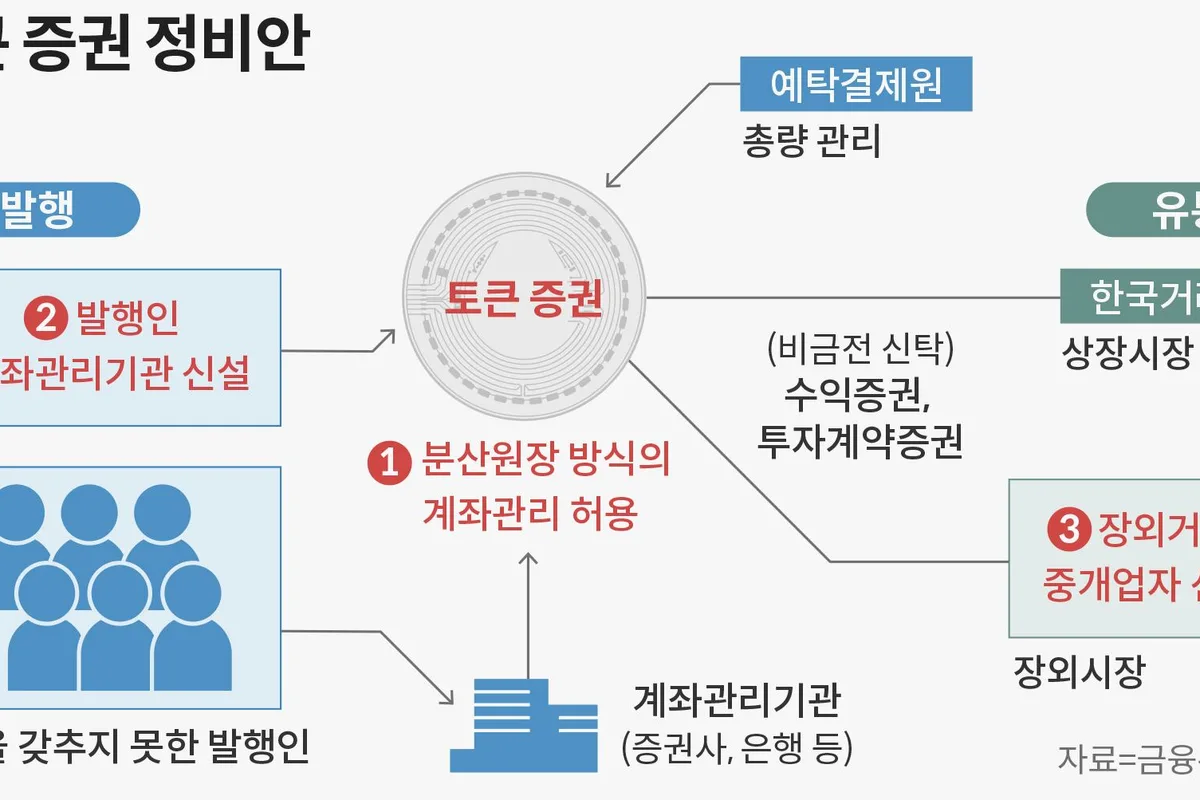
Stage one covers areas such as privately pooled money-market funds, private bonds for institutional investors, unlisted equities represented through trust structures and publicly offered fractional investment securities.
A successful first stage would open the second phase to publicly offered securities more broadly.
The final stage puts stablecoins into settlement
The FSC ultimately wants an onchain settlement system that could connect tokenized securities to stablecoins.
That does not mean Korean stocks are moving wholesale onto a public blockchain in February. The regulator is explicitly sequencing the transition and keeping the later phases dependent on operational results, technology development and pending stablecoin legislation.
Existing securities firms would also be able to handle tokenized securities without obtaining an entirely new license simply because the representation of the asset changed.
That design is telling: established financial institutions remain in the system.
Coinbase is trying to carry crypto market structure in the opposite direction
Coinbase already offers perpetual futures linked to US stocks for eligible customers outside the United States.
Now it wants to bring single-stock perps home.
Two SEC notice registrations dated September 1 form an early part of that process. Coinbase Derivatives filed Form 1-N, while Coinbase Financial Markets submitted Form BD-N.
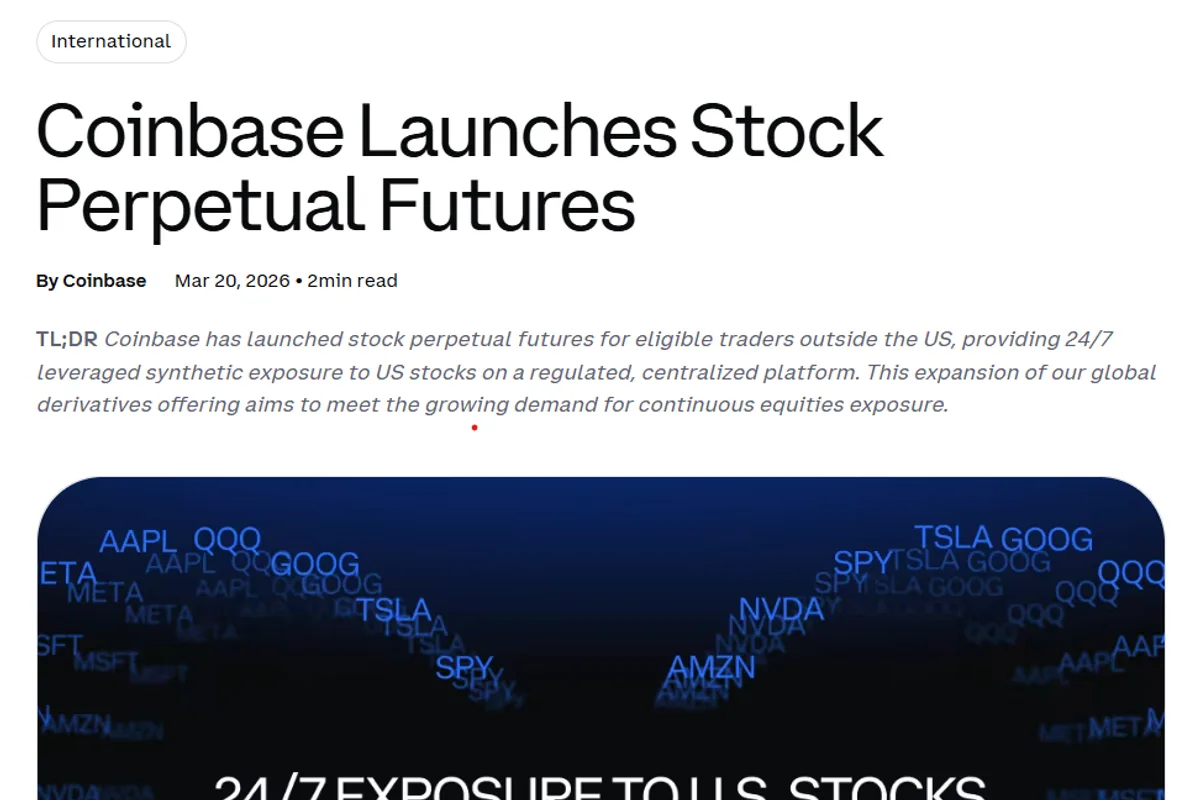
The company still needs to work through the joint SEC-CFTC framework before US customers can trade the proposed contracts. There is no announced launch date, US stock list or leverage schedule.
Outside the US, the product already explains what Coinbase wants
Coinbase's international stock perps include synthetic exposure to companies such as Apple, Microsoft, Alphabet, Amazon, Nvidia, Meta and Tesla, plus SPY and QQQ contracts.
They can trade continuously, settle in USDC and do not expire in the way a conventional dated futures contract does.
That does not turn a perpetual into a share. A trader holding an AAPL perp has price exposure through a derivative rather than ownership of Apple stock.
The distinction becomes particularly important during leverage, liquidation or periods when the underlying cash equity market is closed.
A 24/7 stock market creates some very crypto-like problems
Crypto traders barely think about market opening hours. Perpetuals can keep moving through weekends, macro headlines and overnight shocks.
Applying that structure to equities offers obvious flexibility. It also means the derivative may trade while the deepest underlying market is unavailable.
Funding mechanisms and reference-price systems then have more work to do, while leverage creates the same liquidation risk already familiar from crypto derivatives.
El Salvador provides the strange counterpoint
While private markets are pulling crypto deeper into conventional finance, the world's best-known sovereign Bitcoin experiment is being pushed toward more conventional governance.
The IMF said on September 3 that El Salvador had supplied documentation showing Bitcoin accumulated since the first program review came from private donations and that no public resources had been used for those additions.
That first review was completed on June 27, 2025.
The distinction resolves at least part of an apparent contradiction. Publicly tracked Salvadoran Bitcoin balances could increase without those increases necessarily representing new government-funded purchases.
The IMF still wants the public Bitcoin footprint contained
The Fund says no further accumulation beyond the documented donations is expected.
El Salvador is also working on greater transparency across its Bitcoin wallets and stronger governance and risk controls for public-sector crypto assets.
Its direct involvement in the Chivo wallet has been substantially unwound. Majority ownership and operational control have moved to a private operator, although the government retains a minority interest and custodial responsibilities for customer assets.
The disclosure came with a staff-level agreement covering the second and third reviews of El Salvador's 40-month Extended Fund Facility.
If the IMF Executive Board approves it and the agreed prior actions are completed, roughly $140 million would become available to the country.
Crypto and traditional finance are now borrowing from each other
Bitcoin and Zcash are entering portfolios through the familiar wrapper of an exchange-traded fund.
South Korea is attempting the reverse transformation, putting familiar securities into tokenized infrastructure and eventually considering stablecoin settlement.
Coinbase wants to take a derivative format perfected in always-on crypto markets and apply it to individual US stocks.
Even El Salvador's Bitcoin policy is increasingly discussed through IMF reviews, custody responsibilities, public-resource accounting and governance rules.
The old split between an onchain financial system and a traditional one is becoming a collection of interfaces between the two.