
 By Tsuky
One task involved old photographs. The production used AI to create short animated treatments of historical imagery, with reports identifying the Kray twins and Margaret Thatcher among the subjects.
Another use was synthetic mice moving through The Sun newsroom. That is a very different workload: instead of transforming archive material, the system is generating an element that could otherwise have been created through traditional CG or practical production.
Three AI questions are being collapsed into one
Boyle’s comments make a useful distinction between manipulating an image, generating a non-human visual element, and reproducing a performer. He is relatively comfortable with the first two applications.
Human likeness is where his stated conditions become stricter. Boyle argues that performers should be paid when an AI-generated embodiment replaces or reproduces them.
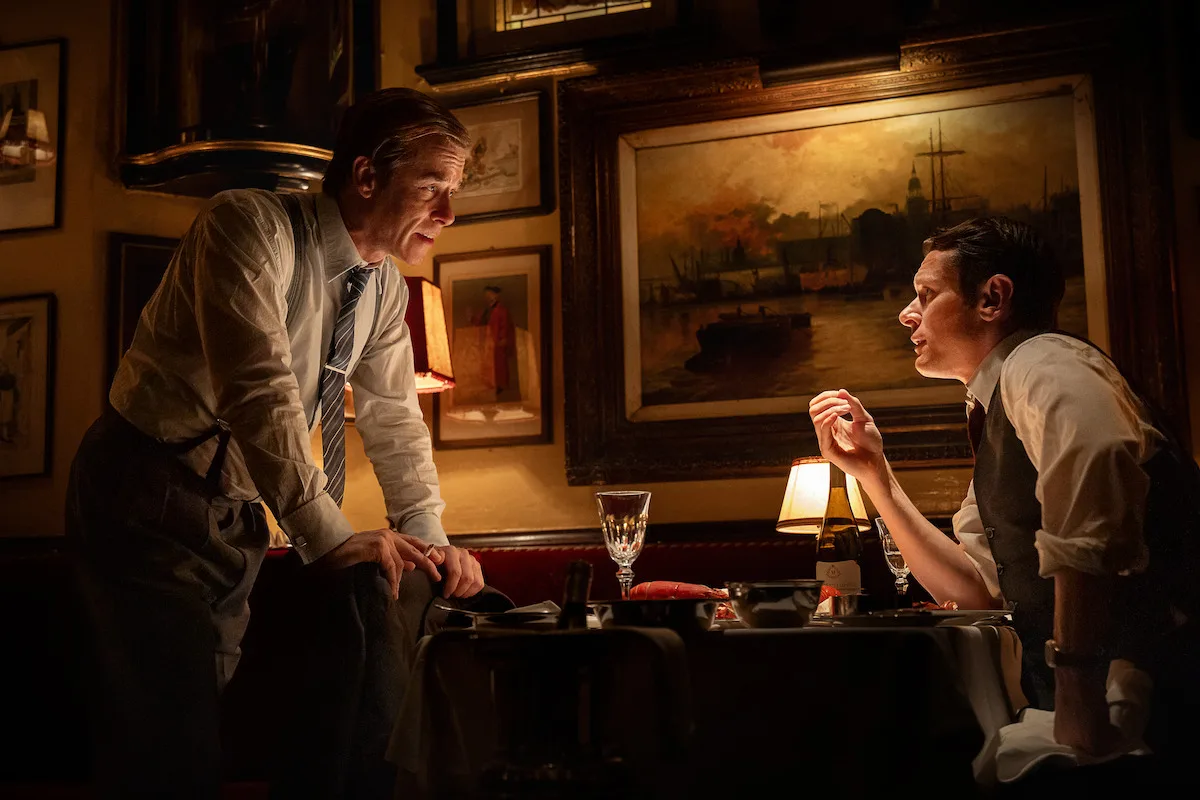
There is no published indication that Ink used those thirty seconds to replace the principal performances of Jack O’Connell, Guy Pearce or Claire Foy.
The percentage is tiny; the pipeline question is not
Thirty seconds in a 116-minute movie is a very small amount of footage. Calling Ink an AI-generated film would therefore obscure more than it explains.
The more relevant interpretation is workflow integration. A generative system has been inserted into an existing effects pipeline for a limited task, apparently because the filmmakers considered it useful for that specific job.
What remains undocumented is just as important for a technical assessment: Boyle’s comments do not provide the model names, training-data provenance, service providers, compute requirements or licensing arrangements behind those shots.
Those missing details matter if this kind of limited deployment becomes normal. A thirty-second experiment is easy to describe creatively. Reproducing the workflow responsibly at scale requires considerably more information.