
 By Kilam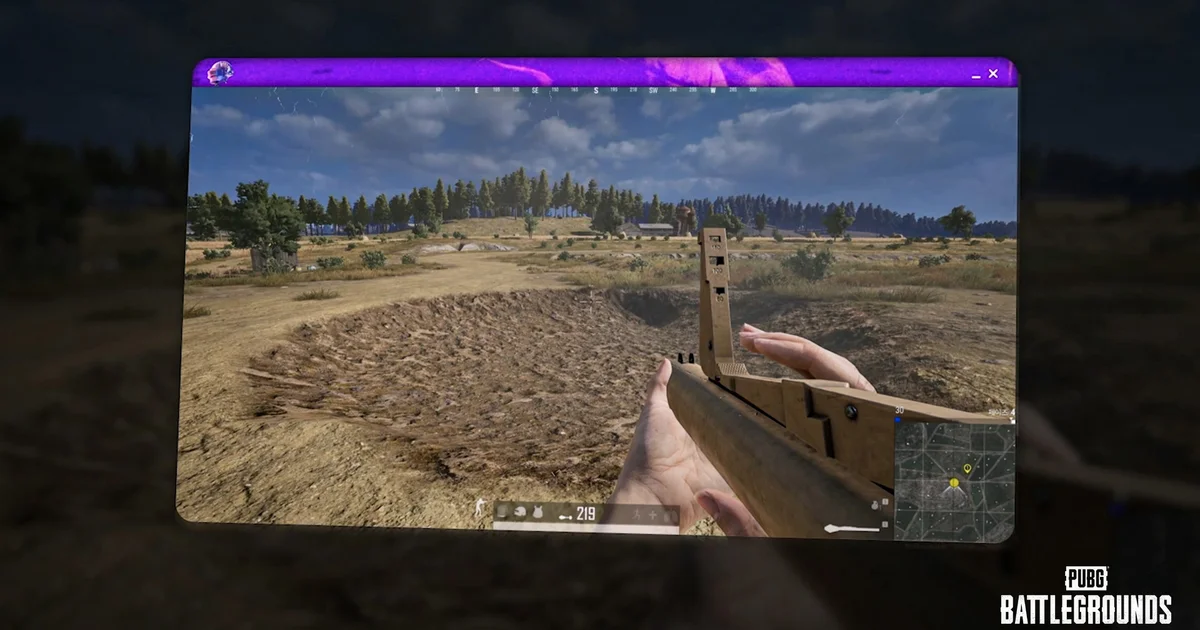
For years, PUBG received monthly additions while part of its console service still had to operate within hardware designed in 2013.
Krafton finally ended that constraint on November 13, 2025.
The technical question can now move from making PUBG run everywhere toward what the game can become without PS4 and Xbox One.
Current-generation consoles finally have defined targets
Xbox Series X targets dynamic 2160p output at 60fps. PlayStation 5 targets 1440p at 60fps, while PS5 Pro targets dynamic 2160p at 60fps.
Series S offers 1080p at 60fps or 1440p at 30fps.
These official specifications arrived with the 38.2 transition and provide a much cleaner baseline than years of legacy compatibility.
Leaving old consoles behind was primarily about stability
Krafton explicitly cited memory limitations, crashes and the increasing difficulty of maintaining monthly updates on PS4 and Xbox One.
After years of maps, systems and assets, backward support had become technical debt.
The transition therefore matters beyond resolution.
Console development can now aim higher
The July 2026 console roadmap says the first priority after migration was stable live operation.
With that foundation established, the team now intends to use current-generation capabilities more aggressively for gameplay and quality improvements.
Client optimisation and server stability remain explicit priorities
Krafton's 2026 roadmap still ends by emphasising client optimisation and server stability.
For a shooter built around precise ballistic outcomes, network consistency matters more than a decorative rendering upgrade.
PUBG's earliest major reviews criticised inconsistent networking and performance, making the continued focus notable.
Unreal Engine 5 is not live yet
Krafton previously positioned UE5 as part of PUBG's future foundation.
The March 2026 roadmap clarified that development had grown beyond a straightforward engine port. Strategies were revised, some plans associated with the 2027 tenth anniversary were adjusted and no complete migration date was announced.
The current live game should therefore not be evaluated as an Unreal Engine 5 title.
Destructible Terrain shows the systemic ambition
The feature has expanded to Erangel and Ranked, allowing some terrain manipulation to create cover in exposed areas.
That is more technically meaningful than simply replacing textures because world modification must remain coherent across every client in a competitive match.
Interactive Smoke pushes simulation further
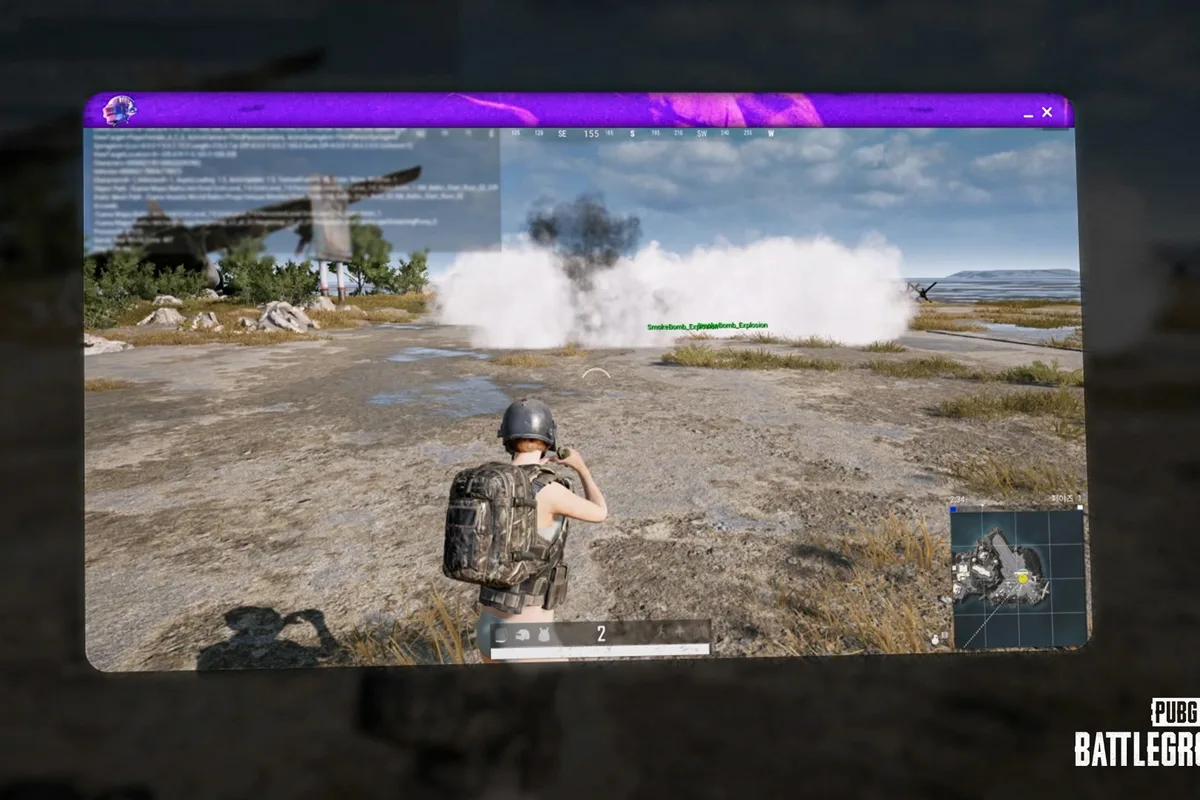
Krafton's 2026 plan also describes smoke that reacts to wind and can be dispersed by explosions.
The broader direction is clear: future technical work is intended to produce new tactical interactions rather than only higher visual fidelity.
Anti-cheat is effectively another engineering stack
DMA detection, hardware re-entry blocking, ban-evasion systems and unauthorised console input devices remain active engineering priorities.
The June 2026 anti-cheat update specifically discussed stronger action against devices such as Cronus and XIM when used to obtain prohibited advantages.
For a competitive shooter, integrity is part of technical quality.
Meta Rotation creates an additional balance workload
Large weapon-class changes are now planned approximately every four months, with smaller balance updates between them.
Update 42.3 begins that model through LMG changes and the RPD.
A continuously shifting weapon ecosystem requires far more telemetry and validation than simply preserving a familiar meta.
PUBG is currently between technical generations
The live service is finally free of old-console constraints and now offers a 60fps profile across current-generation machines.
Its larger UE5 future remains a deeper reconstruction whose timetable Krafton has deliberately stopped treating as a simple port.
That caution makes sense. A new engine that changed PUBG's distinctive recoil or movement would be a technical upgrade that destroyed the thing it was supposed to preserve.