
 By Kilam
Animation is the most impressive technology on display
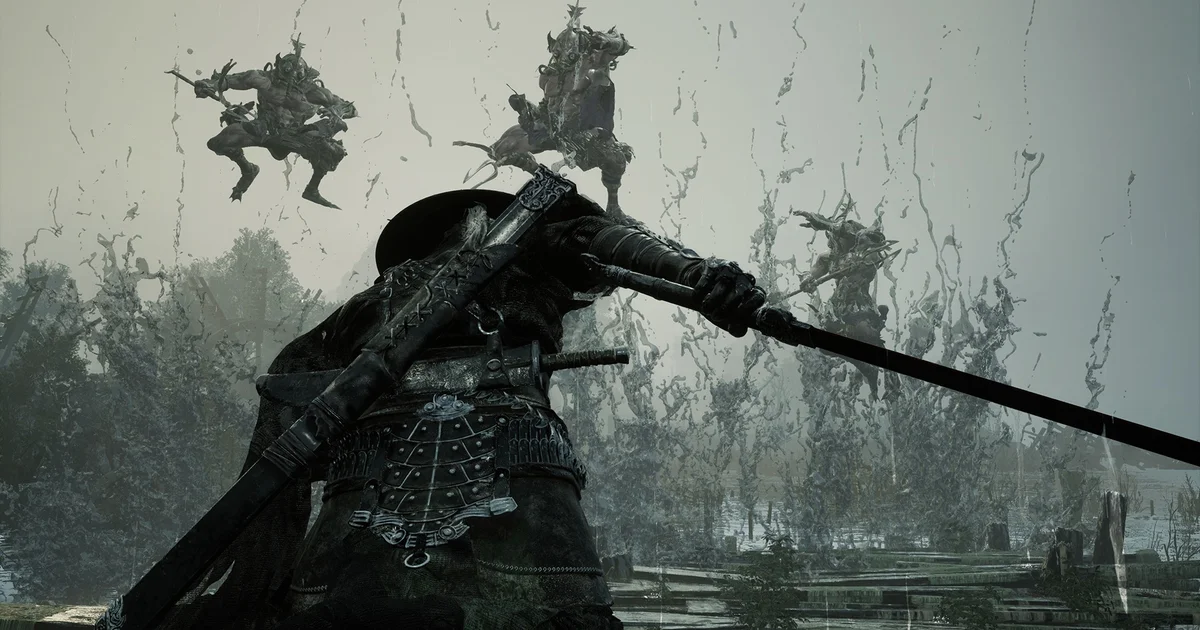
Phantom Blade Zero's greatest technical strength may be its animation rather than its lighting or textures. Movement, attacks, parries and defensive transitions flow together with remarkable continuity.
Wccftech, Push Square and TechRadar independently highlight the quality of the motion capture. The martial arts choreography remains legible even during rapid exchanges, supporting both the visual spectacle and the responsiveness of combat.
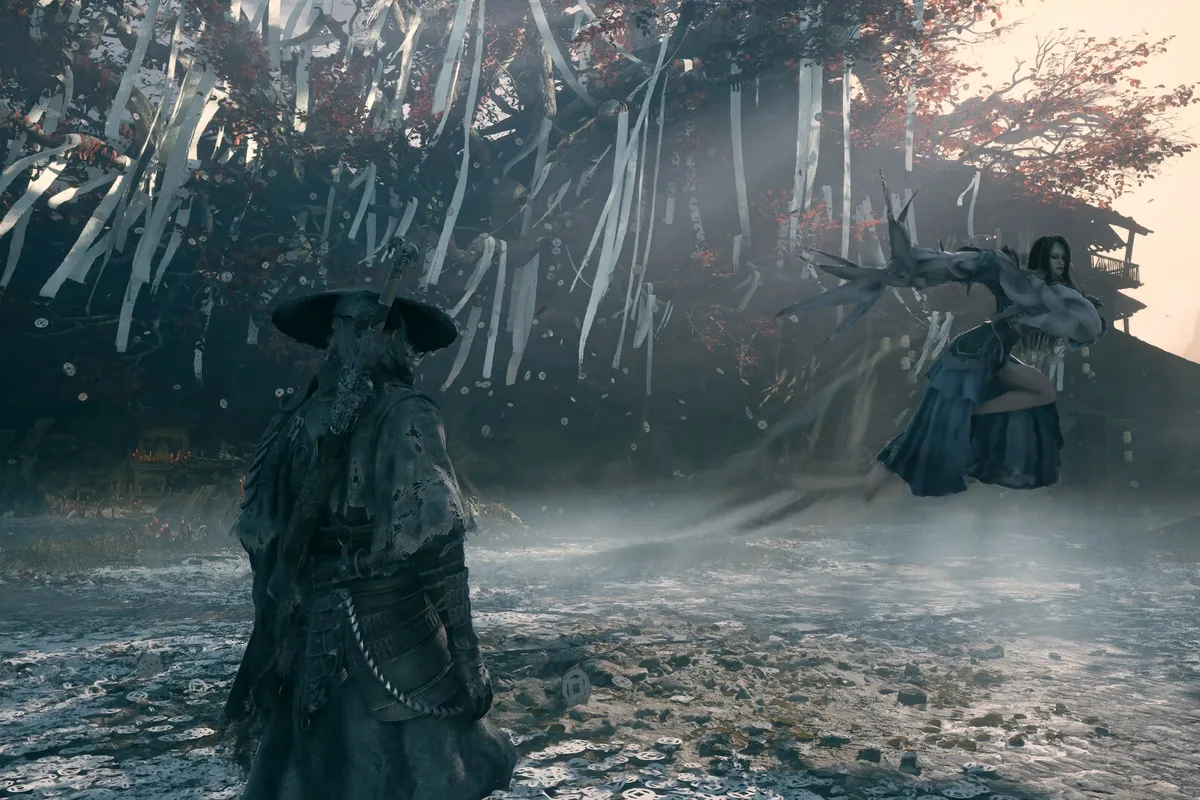
Built with Unreal Engine 5, the game combines detailed environments, complex materials and atmospheric rendering. Cinematic sequences can appear more elaborate than regular gameplay, but the overall artistic consistency remains impressive.
An extensive selection of PC rendering options
ComputerBase's October 28 technical analysis documents support for NVIDIA DLSS, AMD FSR, Intel XeSS and Unreal Engine's TSR reconstruction technology.
The PC edition also offers several frame generation options, alongside ray tracing and path tracing settings.
These systems serve different purposes. Upscaling reconstructs an image from a potentially lower internal resolution. Frame generation can increase displayed frame rate without proportionally improving input response. Path tracing places different demands on the GPU through more extensive lighting simulation.
An unusual relationship between rasterisation and ray tracing
ComputerBase identifies an unexpected performance profile: conventional rasterisation can appear relatively demanding, while enabling more advanced ray-traced rendering does not always produce as large a proportional reduction as expected.
This does not make path tracing inexpensive. It suggests that the game's rendering workload behaves differently depending on the GPU and selected pipeline.
The outlet reports usable high-resolution performance with upscaling on several modern graphics cards. Those findings are tied to specific benchmark configurations rather than every possible gameplay sequence.
Wccftech describes mostly smooth PC performance following initial shader precompilation, with occasional minor traversal stutter. Other technical reports identify more substantial frame-pacing inconsistencies, indicating that results vary between systems.
PS5 Pro performance is encouraging but imperfect
PS5 Pro reviews describe multiple graphics profiles. TechRadar reports a Balanced configuration running at approximately 40fps and a Performance option targeting 60fps.
Push Square found Performance Mode generally smooth with an additional ray tracing setting enabled, although certain boss fights caused frame-rate drops.
Other reviewers experienced different levels of instability. These differences may reflect scene selection, build versions or graphics settings, and should not be flattened into one universal performance claim.
For an action game built around precise timing, consistent frame delivery matters at least as much as average frame rate.
Some audiovisual rough edges remain
A few reviews report audio mixing problems, including effects overwhelming dialogue or inconsistent volume balance.
Minor technical issues and occasional stuttering also appear across the critical corpus. They do not establish that the release is fundamentally unstable, but they prevent an unqualified claim of technical perfection.
Phantom Blade Zero remains an exceptional visual achievement, particularly in the way its animations transform combat into an uninterrupted sequence of readable movements. Its ambitious rendering technology deserves praise, while its remaining performance inconsistencies demand equally careful acknowledgement.