
 By Kilam
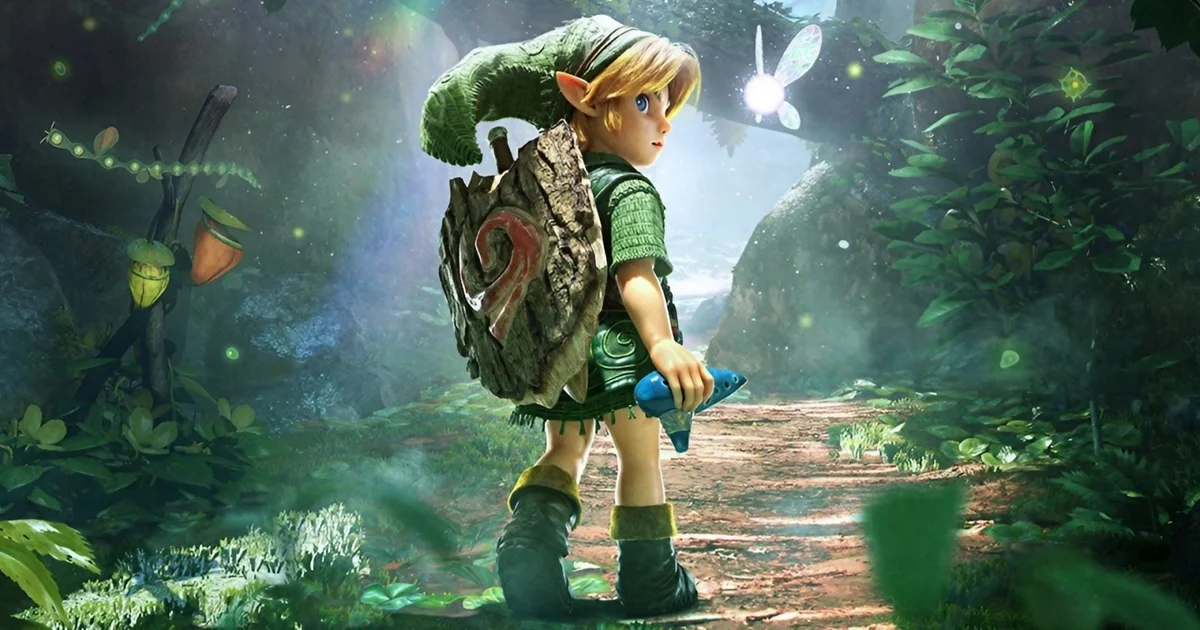
The most hardware-specific addition to Ocarina of Time is a surprisingly direct one: the Switch 2 can listen to the player performing melodies and use that sound to control Link's virtual ocarina.
Nintendo confirmed the feature in its October 14 overview trailer, showing how music learned during the adventure can be performed with a real instrument or hummed near the console.
Traditional button controls remain available, so microphone interaction is an alternative rather than a requirement for progression.
Turning real-world sound into game input
The microphone feature recognizes melodies associated with the game's existing ocarina mechanics. Nintendo has not published detailed specifications for the recognition system, including tolerance for ambient noise, processing latency or the minimum accuracy needed to trigger an action.
Those details will determine how reliably it works in everyday environments. A quiet room, background conversation and a physical instrument playing at different volumes may present different acoustic conditions.
The confirmed functionality is the ability to recognize learned melodies. Its practical responsiveness and robustness will require examination when the game is available.
Modern movement and camera systems
Nintendo has redesigned movement to include dedicated jump and dash actions, while the right analog stick provides more direct camera control.
The original Nintendo 64 game was developed around significantly different input hardware. Its targeting system helped players manage the camera with the available controls, becoming one of the defining mechanics of early three-dimensional adventure games.
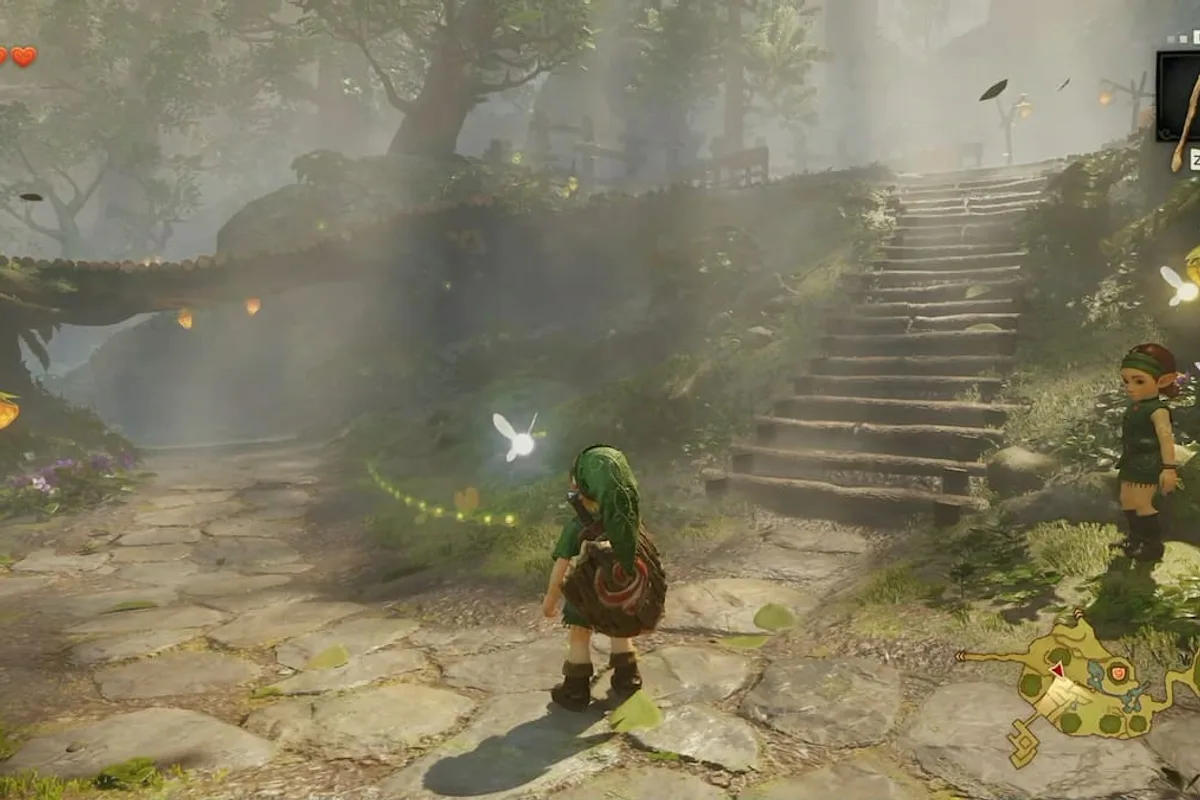
The Switch 2 remake modernizes those interactions while preserving the original adventure's broad dungeon structure. Environments now feature remodeled geometry, higher-detail surfaces and more elaborate lighting.
The relationship between a freer camera and the original level design will be particularly interesting in confined areas, where fixed perspectives and limited controls once influenced navigation and puzzle readability.
HDR and VRR are officially supported
Nintendo's US product listing specifies HDR and VRR output for compatible televisions. It also confirms linear PCM surround audio support.
These are supported display and audio features, not benchmark results. HDR compatibility does not reveal actual peak luminance or the details of tone mapping, while VRR support should not be interpreted as proof of any particular stable framerate.
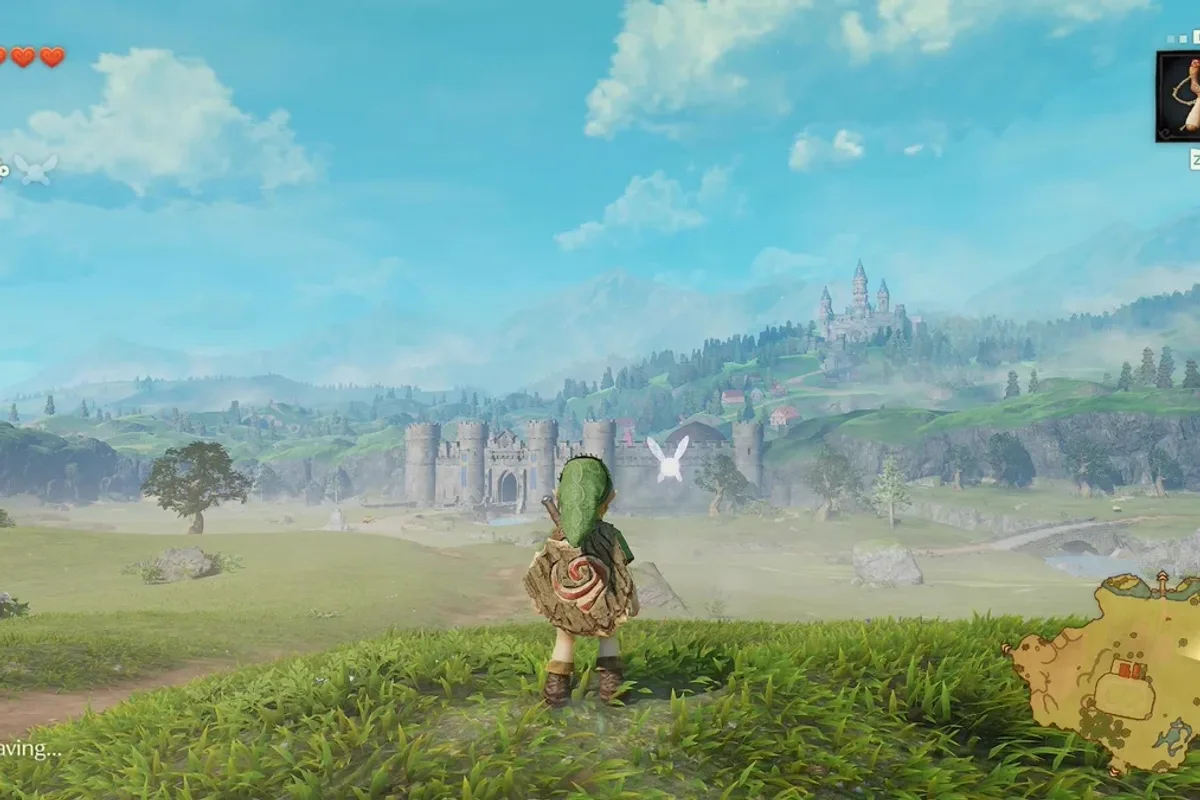
Nintendo has promoted smoother presentation and reduced loading times compared with the original release. Precise assessments will depend on the shipping version, including how performance behaves in visually complex areas and across different display modes.
The US store currently gives an estimated file size of 27 GB, with the usual qualification that some product specifications may change before release.
ZELDA NOTES connects the adventure to a phone
The game supports ZELDA NOTES through the Nintendo Switch mobile application. Compatible smartphones can provide quest-related information and additional interactions connected to the game's musical systems.
Nintendo specifies that the service requires a Nintendo Account, a compatible smart device and persistent Internet access.
The mobile integration extends the available interface beyond the console, although the main adventure remains a traditional single-player Switch 2 experience.
An exclusively Switch 2 release
Ocarina of Time is scheduled for November 5, 2026, with support for TV, handheld and tabletop play. Nintendo confirms cloud-save support through its online services and compatibility with Zelda-series amiibo.
New Young Link and Young Zelda amiibo figures are expected in 2027, offering special cosmetic rewards. Existing compatible figures will also unlock bonuses.
The remake features voiced cutscenes, expanded dialogue and a symphonic soundtrack alongside its redesigned graphics.
For technical comparisons, the outstanding questions are the effective rendering resolution, frame pacing, handheld performance and the behavior of supported display modes. Those figures should be measured from the final game rather than inferred from Nintendo's promotional material.