
 By Adri
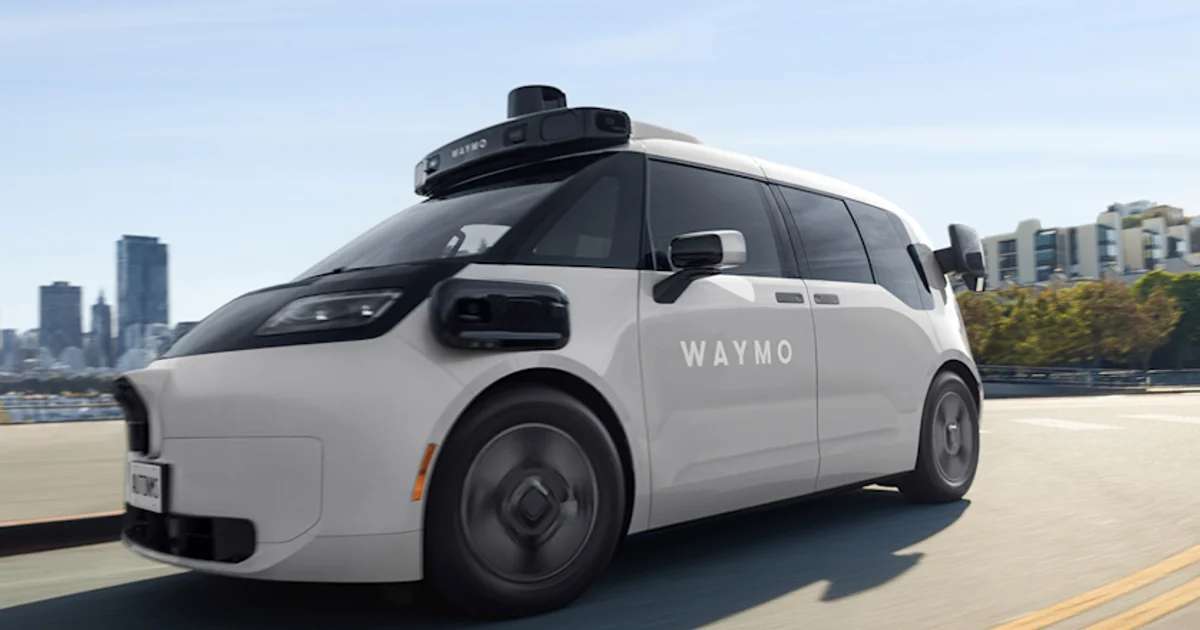
Arriving in Las Vegas by air and traveling to a hotel without a human driver is no longer merely a technology demonstration.
Waymo now offers commercial trips between Harry Reid International Airport and destinations within its existing Las Vegas service area.
The expansion was announced on Wednesday, October 21, by the Alphabet-owned company and airport officials.
It represents another step in Waymo's effort to turn autonomous driving technology into an established urban transportation service.
However, the launch includes an important restriction.
Airport rides are initially available only to Las Vegas customers who already have access to Waymo.
The company plans to welcome more riders gradually before opening the service to everyone.
No definitive date for that broader availability has been announced.
Dedicated pickup zones at Terminals 1 and 3
Waymo and the airport have established designated areas for autonomous vehicles.
Passengers can be picked up or dropped off at Ground Zero Level at both Terminal 1 and Terminal 3.
This practical arrangement matters.
Airports operate differently from ordinary city streets.
Access roads, loading areas, passenger pickup locations and parking zones are subject to carefully defined procedures.
Autonomous vehicles must be able to reach authorized stopping points and depart without disrupting other traffic.
Designated locations also help passengers find the vehicle assigned to their trip.
The service does not allow passengers to request arbitrary stops outside every terminal entrance.
Instead, customers use the established autonomous vehicle zones.
Waymo presents this arrangement as a way to make departures and arrivals more convenient.
A 24-square-mile service area, not the entire city
Airport trips operate within Waymo's existing Las Vegas territory.
The company says its service area covers approximately 24 square miles, equivalent to about 62 square kilometers.
That territory includes several major tourist destinations and nearby neighborhoods.
Passengers can travel between the airport and destinations within the authorized service area.
It would be inaccurate to conclude that Waymo now serves every neighborhood and surrounding community in greater Las Vegas.
Some destinations remain outside its operating territory.
The 24-square-mile figure describes geographic area, not the maximum length of an individual ride.
Waymo plans to expand coverage over time.
The company has not announced a definitive schedule for that expansion.
Public service in Las Vegas began in September
The airport connection follows the recent commercial introduction of Waymo's service in the city.
On September 14, 2026, Waymo began gradually welcoming its first public passengers in Las Vegas.
The company said more than 100,000 people had expressed interest in taking a ride.
That figure represents expressions of interest rather than the number of active customers or completed trips.
Waymo chose a staged rollout instead of opening the service to everyone immediately.
The approach allows the company to expand access while organizing its operations.
Adding the airport does not replace that process.
It expands the available destinations for existing customers.
The launch was also preceded by testing.
In August, Waymo said it had received permission to conduct fully autonomous trips at Harry Reid International Airport, beginning with employee rides.
The October announcement marks the move from that preparation phase to commercial service for eligible passengers.
Why airports matter to autonomous ride-hailing
Airport transportation has several characteristics that make it attractive to mobility providers.
Passengers usually have a clearly identified origin or destination.
Many are traveling to hotels, business districts or tourism areas.
Airports also generate recurring demand from business travelers and vacationers.
For an autonomous vehicle operator, those journeys could help increase fleet utilization.
Airport connections can also introduce the service to visitors who have not previously used a robotaxi.
However, commercial potential does not automatically guarantee profitability.
Operators must manage busy arrival periods, customer expectations, maintenance requirements and airport access arrangements.
Passengers may also carry substantial luggage or travel in groups.
Robotaxis must accommodate these practical needs if they are to become useful alternatives to traditional taxis and other transportation services.
Commercial success therefore depends on more than the vehicle's ability to drive autonomously.
The sixth major airport served by Waymo
According to TechCrunch, Harry Reid International Airport is the sixth major airport served by Waymo.
The company already operates airport connections at Phoenix Sky Harbor, San Francisco International, San José International, Nashville International and San Antonio International.
This expanding network reflects the evolution of Waymo's business.
The company is moving beyond demonstrations in individual neighborhoods.
It is gradually linking its service to locations that play important roles in daily transportation.
Airports, stadiums and major hotels offer particularly visible opportunities.
They concentrate travel demand and introduce autonomous mobility to potential customers.
However, the number of airports served should not be confused with the actual number of trips completed.
Waymo did not disclose its expected daily Las Vegas airport ride volume in the October 21 announcement.
The commercial contribution of the new connection therefore cannot yet be quantified.
The cars operate without a human safety driver
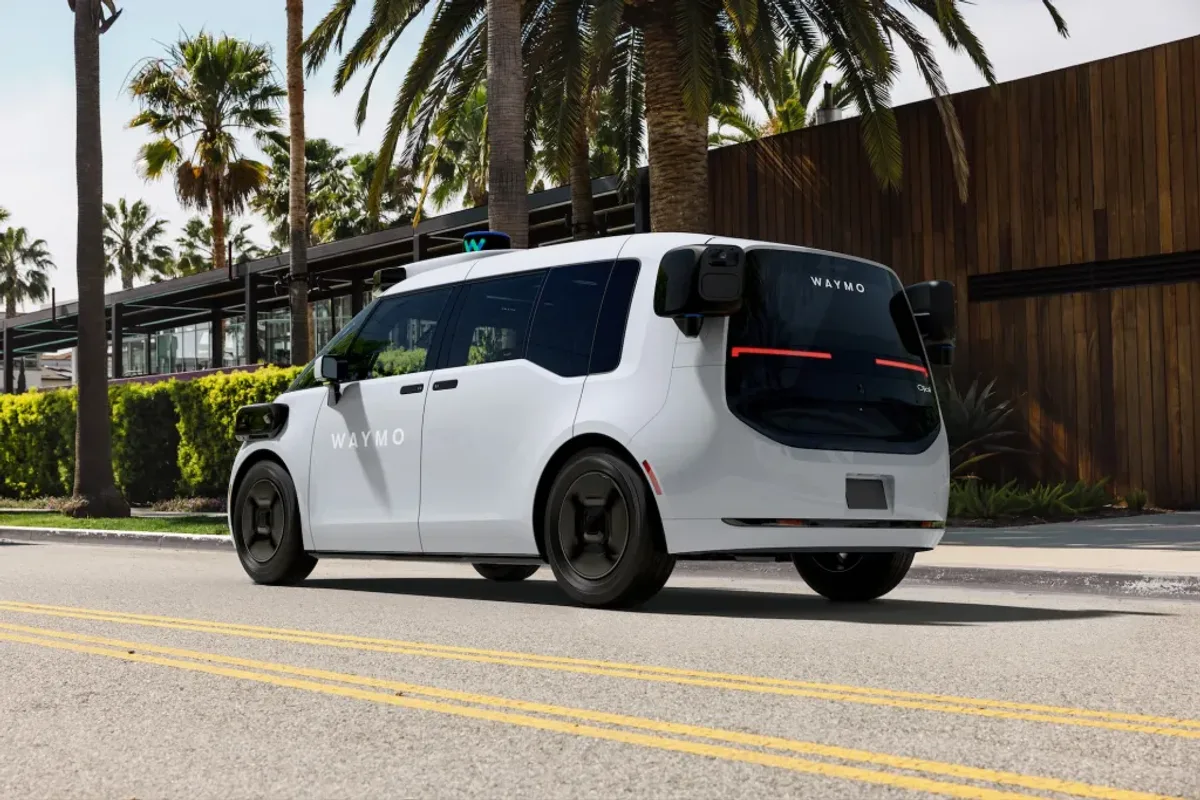
The newly announced service uses fully autonomous vehicles.
Passengers travel without a human driver behind the wheel.
The Waymo Driver system combines sensors, perception software and planning capabilities to navigate within its authorized operating environments.
It must respond to traffic conditions, other road users and obstacles encountered along the route.
However, fully autonomous operation does not mean the vehicles can travel on every road in Nevada.
The commercial service operates within defined geographic and operational limits.
Autonomous driving should also be distinguished from an absence of human involvement in fleet operations.
Vehicle maintenance, customer support and operational supervision remain necessary.
Waymo did not disclose the staffing arrangements or exact number of vehicles dedicated to airport trips.
Airport permissions are a separate challenge
Serving a major airport requires more than general authorization to operate an autonomous ride-hailing network.
Airport operators control which vehicles can access terminals, where they may stop and how passenger loading areas are organized.
In August 2026, Nevada authorities approved permits involving several autonomous vehicle network operators.
Those permits did not automatically authorize commercial service at Harry Reid International Airport.
Separate permission from the Clark County Department of Aviation was required.
Waymo obtained approval to conduct fully autonomous airport testing before opening the connection to passengers.
The October 21 launch confirms that the company has completed the additional steps necessary for its initial commercial operation.
This regulatory dimension matters for the wider industry.
Developing a functioning autonomous vehicle is not sufficient to open a commercial airport route.
Operators must also secure access to transportation infrastructure and comply with site-specific rules.
Zoox is already operating, while Tesla prepares to compete
Las Vegas is becoming an increasingly competitive market for autonomous mobility.
Amazon-owned Zoox already operates driverless rides in the city, including airport-related service.
Waymo is therefore not entering a market without existing competitors.
Other companies also have expansion plans.
Nevada regulators approved autonomous vehicle network permits involving Tesla and Uber in August.
Those approvals represent regulatory progress.
They should not be confused with confirmation that every planned commercial service is already available in the city.
Competition will ultimately depend on actual operating areas, pricing, fleet size and access to rides.
For now, Waymo has a concrete offering: eligible customers can book fully driverless trips to the airport's two terminals.
Whether that provides a lasting competitive advantage remains uncertain.
Tourism partnerships strengthen Waymo's local presence
The airport connection is part of a broader commercial strategy in Las Vegas.
Waymo has announced partnerships with the Las Vegas Raiders, Allegiant Stadium and The Venetian Resort.
These relationships provide visibility among sports fans, hotel guests and visitors attending events.
Las Vegas has distinctive transportation patterns.
Tourism, conventions, entertainment and major sporting events generate substantial demand.
An autonomous service connecting tourist destinations with the airport may therefore address complementary travel needs.
However, partnerships do not automatically guarantee immediate ride availability at every associated location.
Customers remain subject to the service area's boundaries and the company's gradual access rollout.
Pricing and daily ride volumes have not been disclosed
Waymo has not provided an average fare for Las Vegas airport trips in its launch announcement.
The company has also not disclosed how many vehicles will be assigned to those journeys.
It is therefore not possible to make a reliable general comparison between Waymo fares and conventional taxi or ride-hailing prices for airport transfers.
Individual fares may depend on the selected journey and the conditions presented during booking.
Public information also does not establish how many travelers will use the new service each day.
Those figures will matter when evaluating its commercial significance.
A limited launch allows the operator to provide service to an initial customer group.
Wider availability requires sufficient operational capacity to serve more passengers consistently.
The October 21 announcement establishes that service has begun, not that it has reached maximum scale.
A commercial milestone rather than another technology demo
The significance of the announcement is not the invention of a new autonomous vehicle.
It is the integration of driverless transportation into a major travel hub.
Harry Reid International Airport serves millions of travelers who need transportation to and from Las Vegas.
Waymo is adding another option to that transportation network.
The creation of dedicated autonomous vehicle zones also shows how existing infrastructure can adapt to these services.
That does not mean traditional taxis or other forms of transportation will disappear.
It provides an additional choice for passengers eligible to use the service.
The important measures will be reliability, booking convenience and the expansion of real-world access.
Consistent commercial operation matters more than the technical ability to complete a demonstration ride.
The next milestone is opening access to all travelers
As of October 23, 2026, Waymo officially serves Harry Reid International Airport.
Its vehicles operate without human drivers and use designated pickup and drop-off zones at Terminals 1 and 3.
Trips connect the airport with destinations within an approximately 24-square-mile operating area.
Access remains limited to customers already admitted to Waymo's Las Vegas service.
The company intends to welcome more riders, but has not specified when any traveler will be able to download the application and immediately book an airport trip.
That expansion will be the next major test of the service's transition from selective availability to broader public transportation.
For the autonomous mobility industry, the direction is increasingly clear.
Robotaxis are targeting high-visibility transportation routes where demand is recurring and commercially important.
In Las Vegas, that next step now leads directly to the airport terminals.