 By Tsuky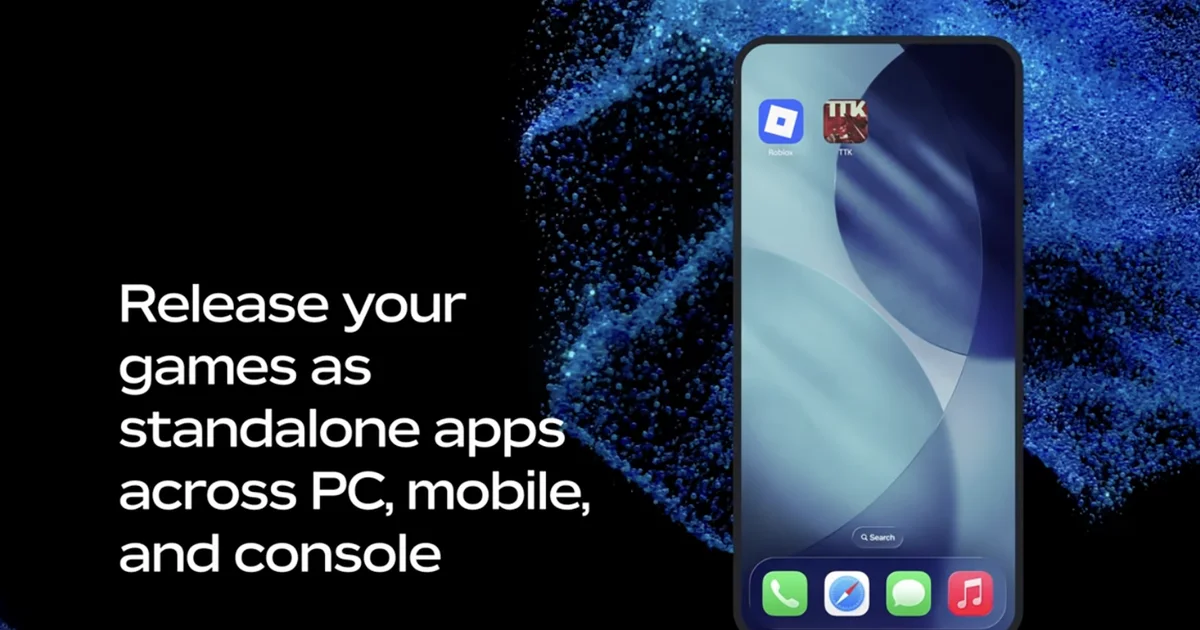
At RDC 2026, Roblox outlined a distribution model that makes its main application less central without removing the platform underneath it. Creators will be able to release standalone apps across mobile, PC and consoles.
The wrapper changes. The stack does not.
One backend, several ways into the same game
Roblox says standalone titles will continue using its engine and integrated services for identity, accounts, persistence, communication, safety, social features, multiplayer and the economy.
A developer therefore does not need to rebuild those systems simply to give a game its own application. Roblox says the standalone version and the version inside the main Roblox client will remain the same game, with cross-device and cross-platform play.
This is closer to turning Roblox into a managed game platform than merely creating another export button in Studio.
Chrome becomes another runtime before the end of 2026
Browser play is the next piece. Roblox plans to let Chrome users launch experiences directly from an Experience Details Page before the end of the year, with additional browsers to follow.
There is no app installation in that path. A link from search, social media, email or a video can lead straight into the game.
Offline solo modes are scheduled for mid-2027. Roblox says developers will be able to combine connected multiplayer and offline play within the same title.
Roblox is broadening the engine before pushing it outside the app
The engine itself is gaining support for formats that historically sat outside Roblox's strongest territory. Orthographic cameras, sprite-sheet imports, animated image containers and additional UI rendering features are aimed at 2D and 2.5D games.
Asynchronous multiplayer is also getting a notification system that can tell players when their next turn is ready.
These features matter because a platform that wants to power standalone games needs to accommodate more than persistent 3D social worlds.
AI is becoming a development layer over the platform
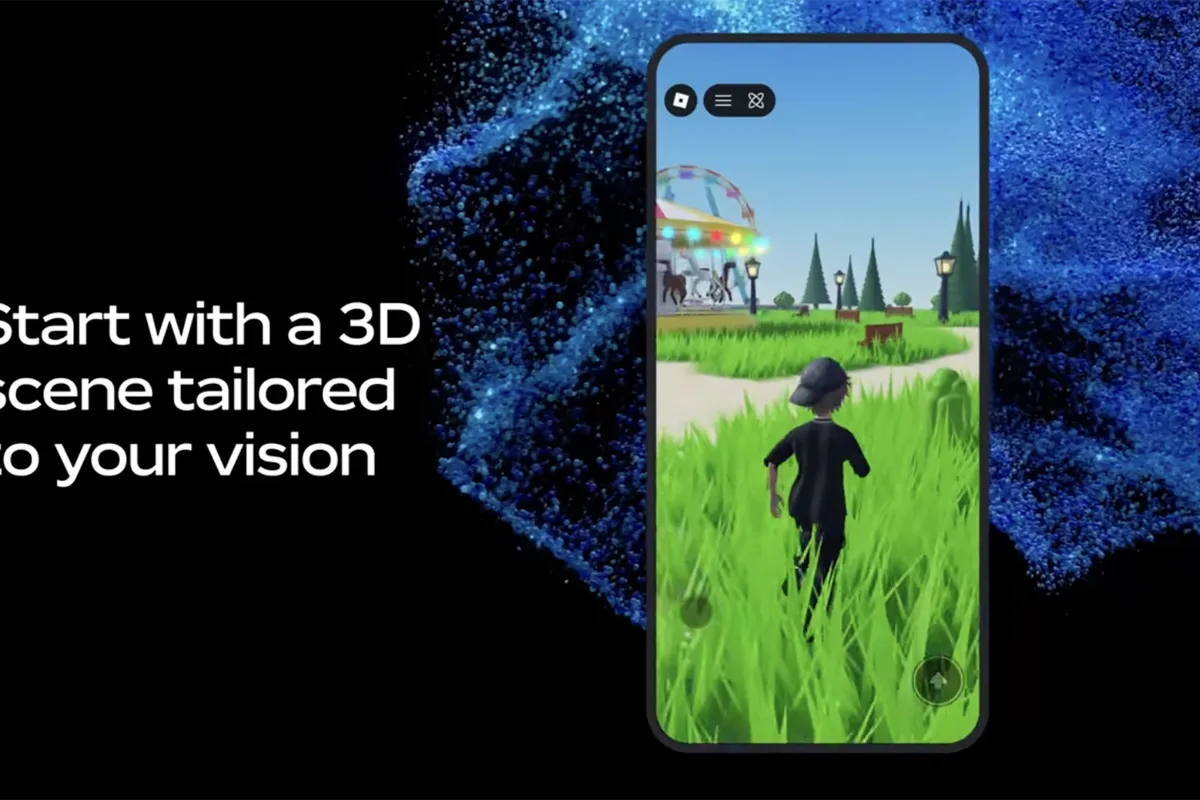
Roblox is simultaneously expanding Build, its prompt-driven creation system. Approximately 9,000 games have already been published through Build since the alpha began in New Zealand.
According to the company, 71% of users who created a game with Build had never previously used Roblox Studio.
Public alpha access is expanding to Serbia and Singapore, with desktop access, a new asset library and stronger iteration controls. Scene Generator is scheduled for later this year and will use text plus a reference image to generate editable, functional game layouts.
Automated NPC playtesting pushes the concept further. The emerging workflow is not just AI-assisted asset creation; Roblox is trying to automate pieces of construction, iteration and testing around the engine.
The Roblox client may no longer be the most important Roblox product
For users, standalone apps mainly remove friction. For Roblox, the strategic consequence is more interesting.
A game can acquire its own storefront identity and distribution channel while remaining tied to Roblox infrastructure. Discovery can happen through app stores, browsers or social links rather than exclusively through Roblox's home screen.
If the model works, Roblox could end up powering games whose players barely think about Roblox at launch. The platform would still be there, just one layer deeper.