
 By Kilam
Bringing an ambitious game to a portable console involves compromises. GPU resources, memory availability, power consumption and thermal limitations are not necessarily comparable to those of the platforms for which a game was originally developed.
The challenge becomes particularly interesting when several games use the same underlying engine.
Resident Evil 2, Resident Evil 3 and Resident Evil 4 all use Capcom's RE Engine, but their designs and original release dates differ.
Their Switch 2 versions therefore provide an interesting basis for comparison, provided that a shared engine is not mistaken for identical technical demands.
Three Productions Built at Different Times
Resident Evil 2 originally launched in 2019, Resident Evil 3 in 2020 and Resident Evil 4 in 2023.
That chronological difference matters. Capcom's technology, visual techniques and game design evolved between the projects.
Resident Evil 2 frequently relies on dark interior environments, narrow corridors and locations structured around exploration.
Resident Evil 3 introduces more action-heavy situations, pursuit sequences and spectacular visual effects.
Resident Evil 4 offers a wider variety of environments and dynamic encounters involving numerous enemies.
The three games should therefore not be assumed to place identical demands on hardware simply because they share RE Engine technology.
Cloud Streaming Is No Longer the Reference Model
Resident Evil 2 and Resident Evil 3 previously appeared on the original Nintendo Switch through cloud editions.
Those versions executed gameplay on remote servers, with the console receiving video and transmitting controller inputs through an Internet connection.
The new Switch 2 products are adaptations designed for Nintendo's latest console.
This shift to local execution changes the technical requirements. The console now handles game processing and rendering instead of relying on a remote machine.
In return, gameplay no longer needs a continuous network round trip to generate each frame.
That change can make the experience less dependent on connection conditions, a particularly useful characteristic for portable hardware.
Native Execution Does Not Guarantee a Specific Frame Rate
Running locally is not enough to establish actual performance.
A meaningful evaluation needs to examine frame rates, frame-time consistency and behavior during demanding scenes.
An advertised 60 fps target is not equivalent to captured performance data demonstrating stable rendering throughout multiple situations.
Differences between handheld and television modes are also important.
Hybrid consoles can operate under different power constraints depending on how they are used. Developer optimization choices may therefore influence rendering resolution and frame rate in each mode.
The original Capcom and Nintendo announcements do not provide comprehensive independent performance measurements for all three releases.
Advertised specifications and measured behavior should remain clearly separated.
Dark Environments Create Particular Challenges
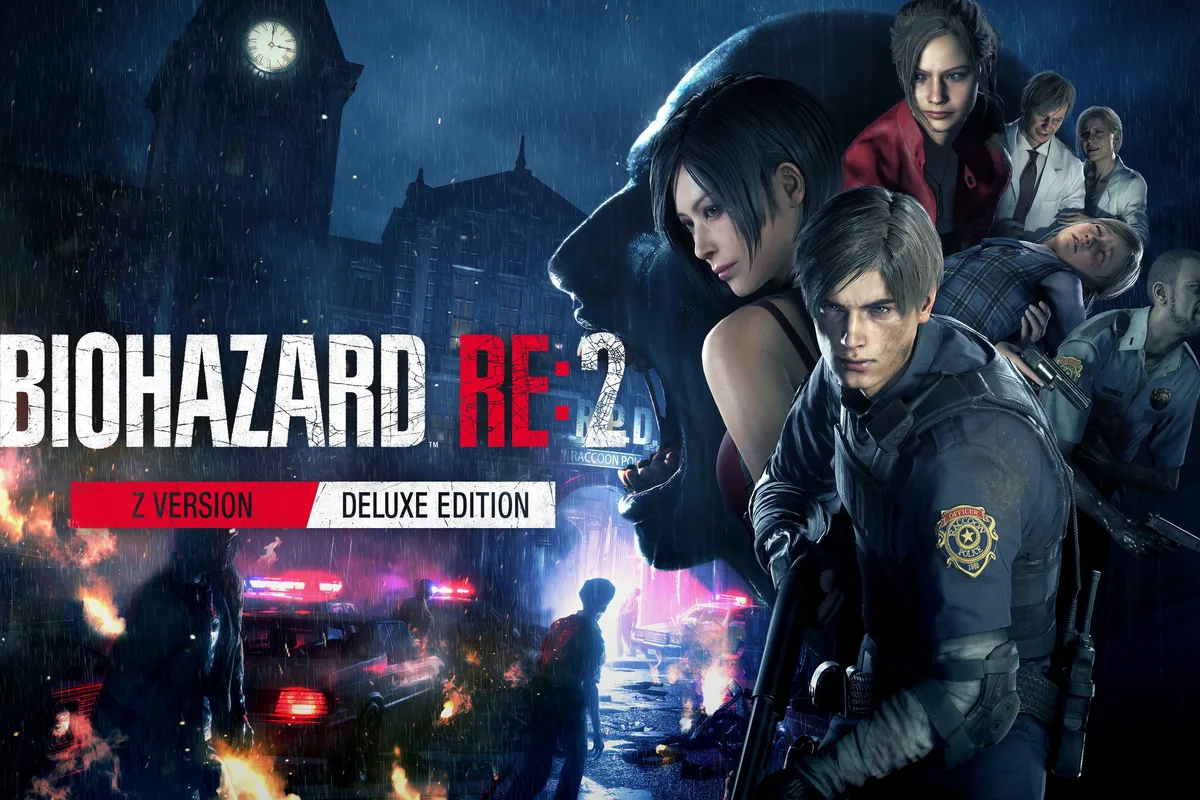
Resident Evil frequently relies on darkness, localized lighting and strong contrast to establish atmosphere.
The police station in Resident Evil 2 combines concentrated light sources, extremely dark rooms and reflective surfaces.
On a portable screen, environmental readability also depends on display characteristics and settings.
Black levels, perceived brightness and fine detail can influence the experience beyond raw rendering resolution.
Nintendo lists HDR compatibility for Resident Evil 2 under supported display conditions.
That does not mean every screen will display an HDR image or that all console modes will offer identical presentation.
Resident Evil 3 Tests Different Workloads
Resident Evil 3 differs from the second game through its more spectacular approach.
Nemesis encounters, destruction effects and pursuit sequences can create rendering situations that differ substantially from Resident Evil 2.
That does not automatically mean it will run less smoothly on Switch 2. Actual results depend on scene complexity and the optimization decisions made for the adaptation.
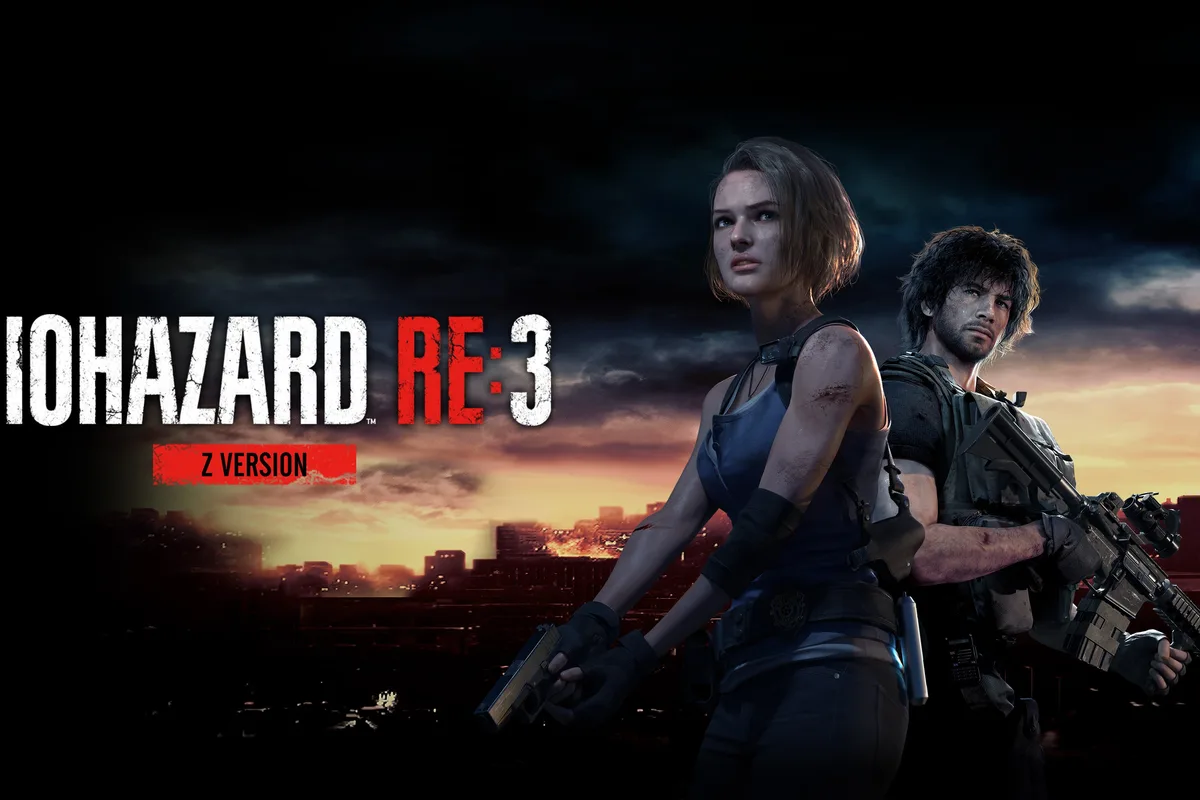
Technical analysis should therefore examine several representative sequences rather than relying on one particularly demanding moment.
Input responsiveness also matters, especially when Jill must dodge or escape dangerous attacks.
Resident Evil 4 Is the Most Recent Remake
Resident Evil 4 presents another challenge because its remake was developed several years after the preceding titles.
Combat can take place in wider environments featuring multiple enemies and varied environmental effects.
The Switch 2 Gold Edition also includes Separate Ways, the additional campaign featuring Ada Wong.
That content should be considered during a performance assessment because it introduces its own locations and gameplay situations.

The expansion does not represent a different rendering engine, but it broadens the material that should be tested.
Digital Distribution and Physical Editions
Capcom scheduled the digital launch of all three games for October 16, 2026.
Physical editions are planned for January 29, 2027.
The existence of a boxed version alone does not establish how much game data is stored on the physical medium. The precise specifications of those products should be checked when they become available.
This distinction matters on Nintendo Switch 2, where physical and digital games can use different distribution arrangements.
Digital buyers also need to consider console storage capacity and potential update downloads.
Three Games Deserve Three Technical Assessments
The simultaneous arrival of three Resident Evil remakes creates an opportunity to examine how effectively Capcom's RE Engine has been adapted to Switch 2.
However, a serious comparison requires more than establishing that the games run on the same hardware.
Their original development periods, environmental structures, visual effects, rendering resolutions, frame rates and frame-time stability all matter.
Controller responsiveness and handheld usability should also be examined individually.
Launch-period reviews have reported convincing performance in Resident Evil 2 and Resident Evil 3. Those observations apply to the versions and scenarios examined, rather than providing universal measurements across every scene in all three games.
The most significant confirmed change is that Capcom is now offering these remakes on Switch 2 without relying on the older cloud execution model previously used for some installments on the original Switch.
For Nintendo players, that is a practical improvement. For technical enthusiasts, it creates an opportunity to compare three productions from different stages of the RE Engine's development on the same portable platform.