
 By Kilam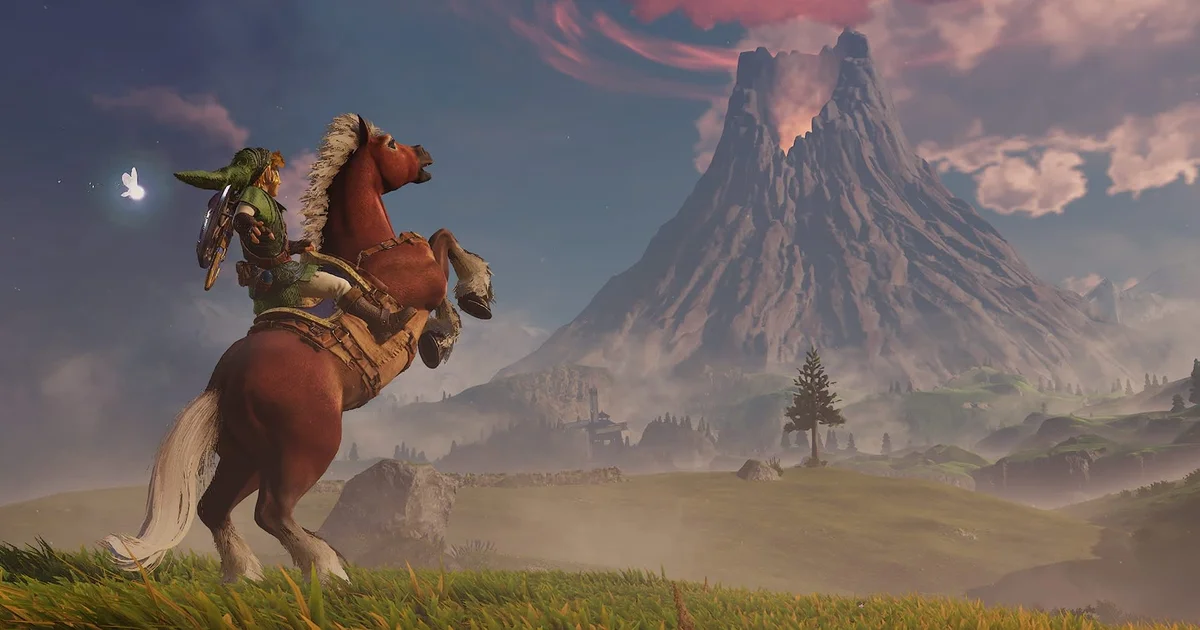
The Legend of Zelda: Ocarina of Time launches exclusively on Nintendo Switch 2 on November 5. Nintendo's updated store listing now provides several concrete technical details alongside the remake's redesigned gameplay.
The digital file size is currently estimated at 27GB. TV, tabletop and handheld modes are supported, and compatible displays can use HDR output.
The visual rebuild goes beyond output resolution
Nintendo says the graphics have been completely overhauled, including material textures. Locations have been remodeled and can now be inspected with a freely controlled right-stick camera.
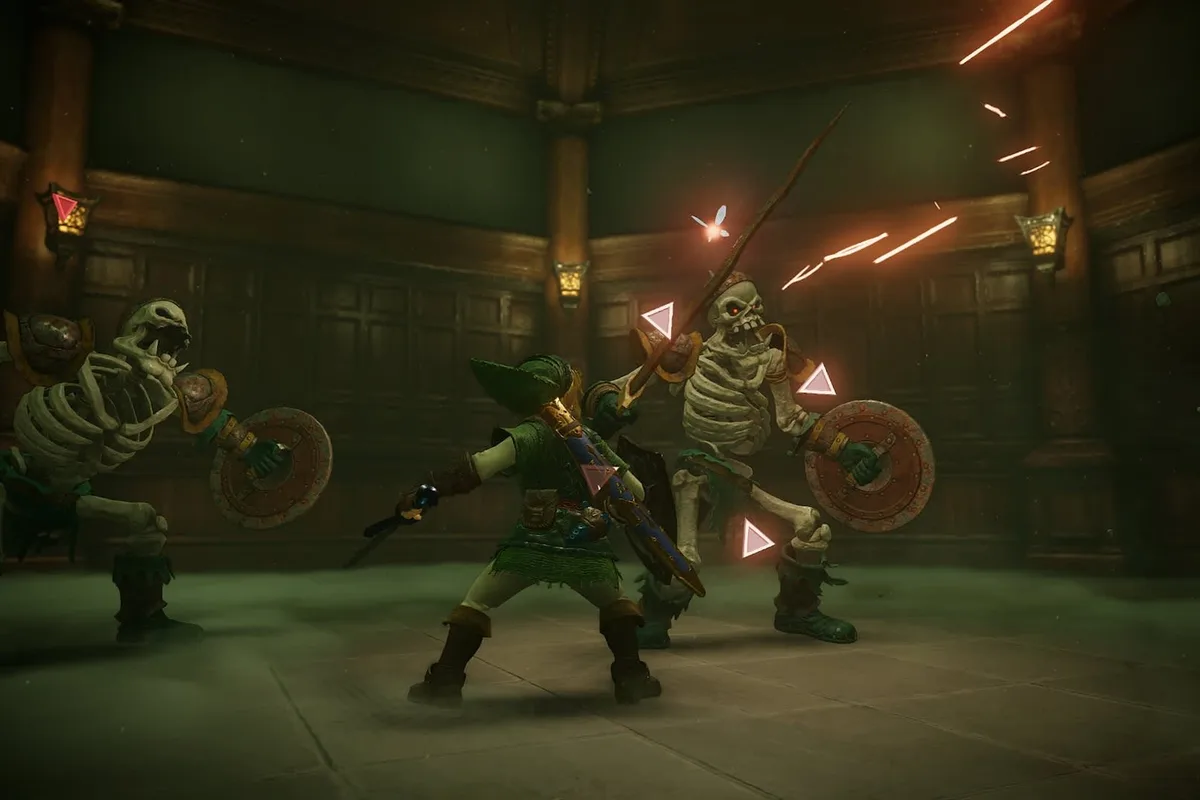
Animation response and general controls have also been reworked, while Nintendo advertises faster loading and smoother overall performance.
What Nintendo has not yet published is a full rendering specification with exact internal resolutions or a confirmed frame-rate target for every display mode. "Smoother" should not automatically be translated into a specific number.
The microphone is not sitting idle
Switch 2's built-in microphone has a direct gameplay function. Once Link has learned an ocarina melody, the player can play or hum that tune near the console and trigger the corresponding performance in-game.
Controller input remains available, making microphone recognition an additional interface rather than a replacement.
A second analog stick changes a 1998 control problem
The Nintendo 64 controller had only one analog stick. Switch 2 therefore gives the remake enough independent input to put camera movement on the right stick without relying on the original game's contextual camera behavior.
Nintendo is also adding dedicated running and jumping commands. These are simple inputs by current standards, but they materially change how a game designed around automatic jumping can be controlled.
Audio gets a similarly large rebuild
Ocarina of Time's music has been refreshed with symphonic orchestral arrangements, while Nintendo lists linear PCM surround support on the Switch 2 version.
Expanded cutscenes are fully voiced as well, adding a large amount of new recorded dialogue to an adventure originally built around text boxes.
Still a single-player game underneath the new hardware layer
Nintendo lists one local player and keeps Ocarina of Time as a traditional standalone adventure rather than converting it into an online service.
Modern platform features sit around that core, including amiibo compatibility and ZELDA NOTES support through the Nintendo Switch App.
The Legend of Zelda: Ocarina of Time launches November 5, 2026. More precise rendering metrics will need to wait for additional official specifications or measured release code.