 By Tsuky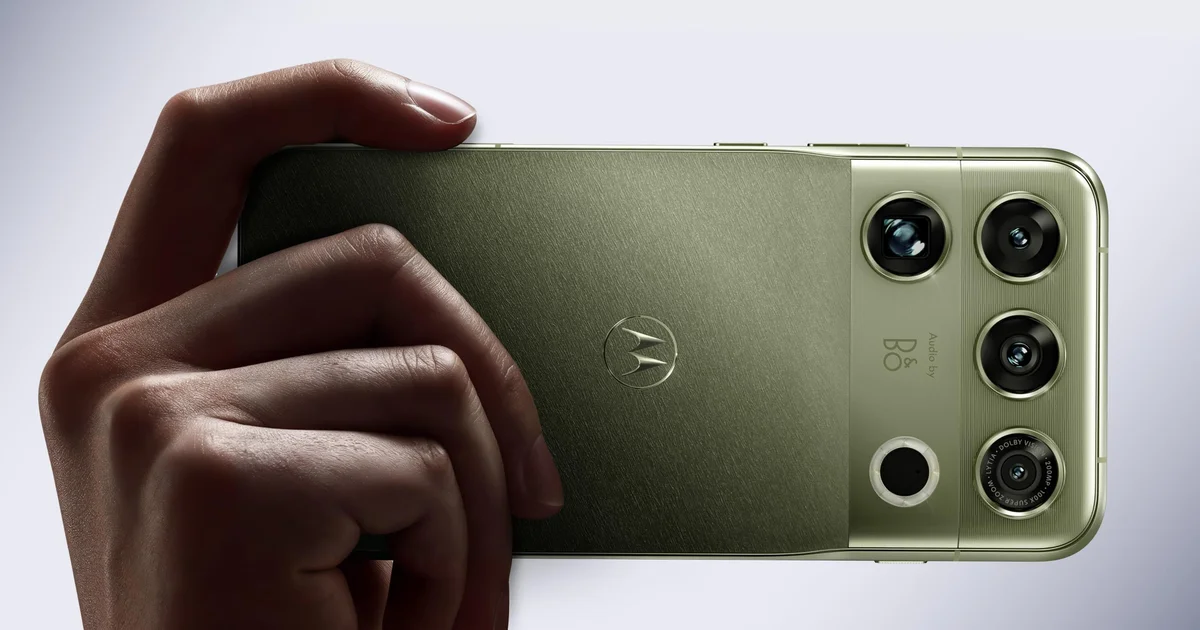
The important word is “will”
GrapheneOS and Motorola announced a long-term partnership in March to develop future devices that meet the project's privacy and security requirements. At that stage the companies deliberately talked about future hardware rather than naming a retail phone.
That changed after Motorola unveiled the Signature 27. Asked directly whether the device would receive GrapheneOS support, the project's official account confirmed it as the initial supported phone and said further official news would follow.
No release schedule accompanied that answer. GrapheneOS has not published a Signature 27 system image, an installation guide for the device or a date on which support becomes usable. A confirmed target is not the same thing as a supported phone sitting on the compatibility page today.
Motorola had hardware work to do first
Earlier explanations from GrapheneOS make the timing easier to understand. The project said Motorola's 2026 Signature, Razr Fold and Razr Ultra generation came close to its requirements but lacked hardware memory tagging, adequate secure-element integration and other changes being developed for 2027 devices.
Its requirements extend deeper than whether an OEM allows bootloader unlocking. GrapheneOS has described verified firmware and operating-system boot, downgrade protection and secure storage of version metadata as parts of the hardware model it expects from officially supported devices.
Signature 27 is the first Motorola phone the project now says it will support. Motorola has equipped it with Qualcomm's Snapdragon 8 Elite Extreme Gen 6 and promises seven operating-system upgrades plus up to seven years of security updates from global launch.
A 2027-generation phone announced in September 2026
Motorola introduced the Signature 27 at Snapdragon Summit on September 22. Its new naming scheme uses the final two digits of the coming year, so the “27” identifies the generation rather than the calendar year in which the device was announced.
The rest of the hardware is appropriately excessive for an ultra-premium phone: a 50MP main camera built around Sony's LYTIA 910 sensor, a 200MP periscope telephoto, Audio by Bang & Olufsen and Motorola's new ArcticMesh cooling system.
Those specifications help position the device, but GrapheneOS support hinges on a different layer of the design. Memory safety features, secure-element integration, verified boot and long-term firmware maintenance matter more here than the camera count.
Preinstalled GrapheneOS remains a separate question
GrapheneOS has said that devices sold with the operating system already installed are planned, but the project has also said the details still need to be worked out. It has not announced that the Signature 27 itself will be sold in such a configuration.
The installation route for regular retail units is likewise still to be documented. We also do not yet have a public list of supported regional variants or a date for the first official build.
Motorola says the Signature 27 is expected to reach markets worldwide in 2026, with further availability details to come. Until GrapheneOS publishes its own rollout information, the safest reading is narrow: the phone has been selected and official support is coming, but it is not something buyers can use today.