 By Kilam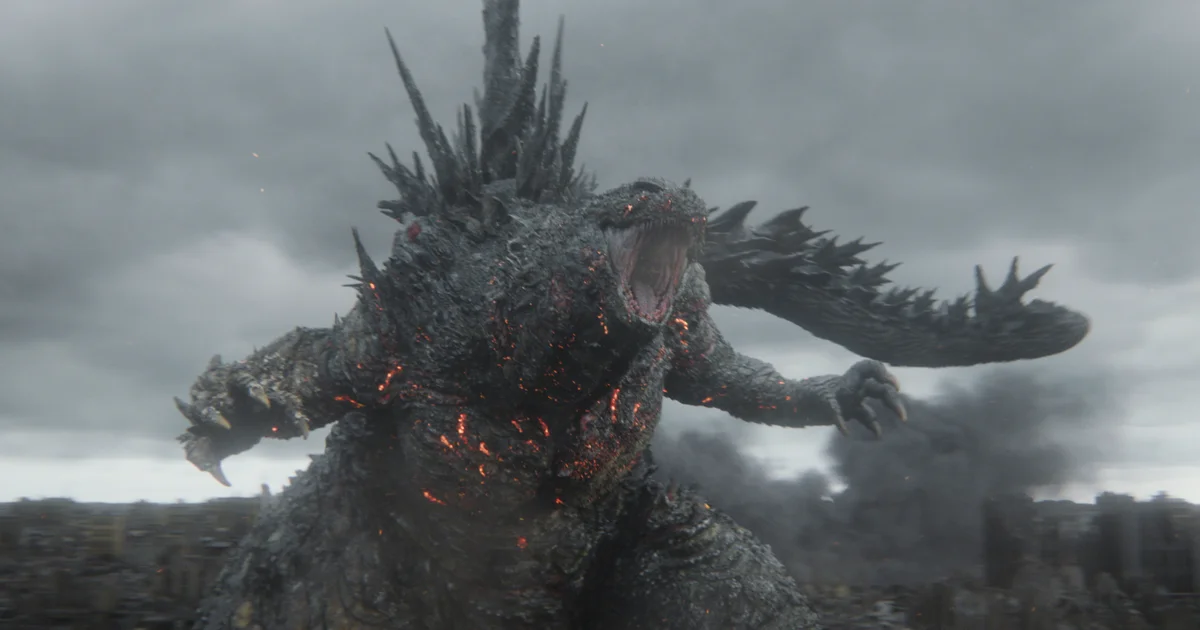
TOHO and GKIDS have released the first full theatrical trailer ahead of the film's November rollout.
Minus Zero was shot entirely in Japan using high-definition digital cameras certified for IMAX and is being optimized in both image and sound for IMAX exhibition.
That makes its technical status more specific than simply receiving IMAX screenings after completion.
Filmed For IMAX begins at capture
The designation refers to a production workflow using approved digital camera systems and an IMAX-supported pipeline.
It does not mean Minus Zero was shot entirely on 65mm IMAX film. TOHO specifically describes the project as using certified high-definition digital cameras.
That distinction matters because IMAX branding can cover very different production routes, from films remastered for premium screens to features designed around the format during photography.
Minus Zero belongs to the latter category.
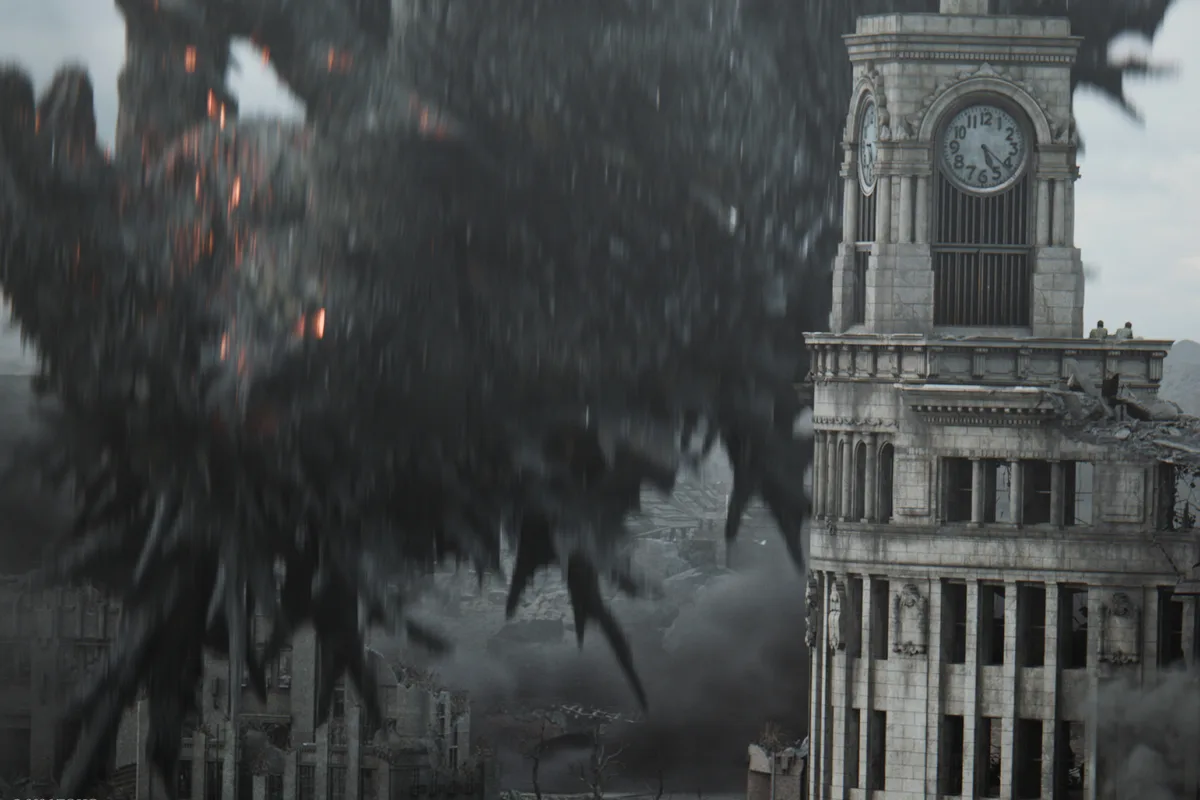
The trailer keeps using architecture as a ruler
Several new shots preserve buildings, streets and infrastructure around Godzilla instead of filling every frame with the creature.
That keeps the scale readable.
Minus One used the same technique effectively: Godzilla felt enormous because the image consistently retained human-sized references rather than because the camera endlessly moved closer.
A larger IMAX screen does not create scale automatically. It gives compositions containing that information more physical room to work.
The VFX pipeline remains unusually close to the director
Takashi Yamazaki is again director, screenwriter and visual-effects supervisor.
SHIROGUMI handles the visual effects, while TOHO Studios and ROBOT produce.
That largely preserves the creative structure behind Minus One's Academy Award-winning effects.
The sequel is visibly asking more of it. The new footage contains larger destruction sequences, more complex interaction with the environment and a Godzilla design carrying glowing damage and an unexplained blue-energy motif.
Premium projection makes bad compositing harder to hide
Shooting for a large-format exhibition pipeline creates its own problems.
A bigger, sharper presentation can expose mismatched detail, weak edges, inconsistent depth and compositing artifacts that might be less obvious on smaller screens.
The technical challenge is therefore not simply producing a higher-resolution monster.
It is maintaining coherent texture, lighting and motion when the finished image is designed to occupy a very large field of view.
At least one Japanese theater is upgrading specifically for release day
Aeon Cinema Odaka in Nagoya has announced that its existing IMAX Digital auditorium will become an IMAX with Laser venue in time for the Japanese release on November 3.
The upgrade replaces the older 2K projection system with a 4K laser setup.
One auditorium does not describe the national exhibition landscape, but it shows how Minus Zero is being positioned commercially: as a premium theatrical event whose format is part of the sales pitch.
TOHO is also compressing the international rollout
Minus One's global success expanded after its Japanese debut. Minus Zero is launching with a far more coordinated schedule.
Japan opens on November 3. France follows November 4, a large group of territories on November 5, and North America, the UK, Vietnam and several additional markets on November 6.
TOHO says this is the first Japan-produced Godzilla film to open in Japan and North America within the same week.
GKIDS is handling North American distribution after TOHO acquired the company in 2024.
The first audience gets to see it in New York
Godzilla Minus Zero will have its world premiere at the New York Film Festival on September 26 as a Spotlight Gala presentation.
That screening will provide the first public reaction to the finished film, although it will not answer every technical question about the different IMAX installations used worldwide in November.
TOHO has not yet published a complete public specification covering final aspect ratios, mastering resolutions or every audio configuration.
What is already clear is the production choice: this time Yamazaki did not wait until Godzilla was finished to make him fit an IMAX screen.