 By Tsuky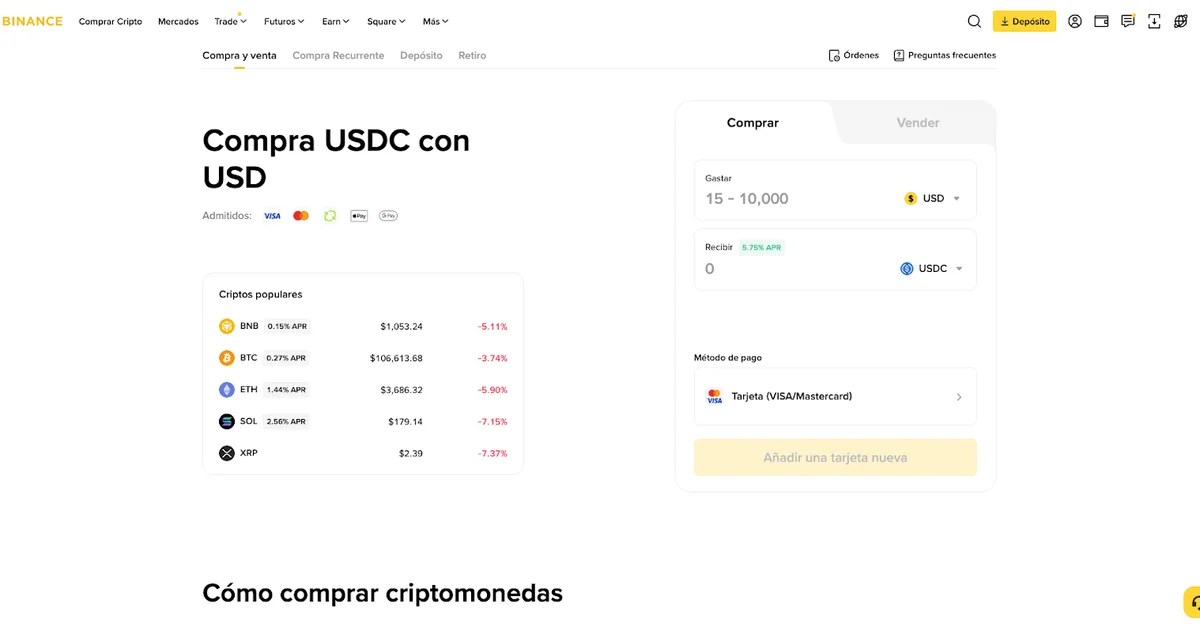
The equity deal is unusually specific
Circle's SEC filing shows that the transaction was signed on September 17. Binance purchased 1,237,011 shares of Circle Class A common stock at $80.84 per share, giving Circle exactly $100 million in gross proceeds.
The subscription price represented a 5% discount to Circle's market price before closing. The shares were sold through a private placement rather than a registered public offering and are subject to transfer restrictions that can remain in place for up to two years, with customary exceptions.
That structure matters because the investment is paired with a much longer commercial commitment. Binance is not merely adding CRCL stock to a liquid portfolio; the share purchase sits alongside a five-year operating relationship between the two companies.
Distribution is the heart of the agreement
Under the renewed partnership, Binance will promote and integrate USDC across its global platform and place particular emphasis on emerging markets. Circle will continue to supply the infrastructure used to hold and transact with USDC.
The relationship itself predates the investment. Circle and Binance announced their first major USDC partnership in December 2024, when Binance said it would expand access to the stablecoin across trading, savings and payments products and use USDC within its corporate treasury.
The 2026 arrangement extends that relationship for another five years and adds something the earlier announcement did not have: Binance now owns a direct equity interest in the company issuing the asset it is being paid to help distribute.
Circle needs reach, Binance already has it
The commercial logic is straightforward. Circle provides issuance, reserve management and the technical infrastructure behind USDC. Binance provides users, trading liquidity, wallets and product surfaces through which those users can actually acquire and use the token.
When the partnership was first announced in 2024, Circle described Binance as a platform with more than 240 million users. The latest agreement specifically identifies emerging markets as an area where the companies want to expand access to dollar-denominated digital assets.
For Circle, that distribution can be difficult to reproduce independently. Stablecoins become more useful when they are already present on exchanges, in wallets, inside payment products and across liquid trading pairs. Binance can provide all of those entry points at once.
USDC has become a very large balance-sheet business
Circle reported $73.3 billion of USDC in circulation at the end of the second quarter of 2026, up 19% from a year earlier. USDC generated $14.8 trillion in onchain transaction volume during the quarter, a 151% year-over-year increase.
The issuer reported $701 million in total revenue and reserve income for the quarter. Reserve income alone accounted for $668 million, demonstrating how central the assets backing USDC remain to Circle's economics.
Those reserves consist primarily of highly liquid dollar-denominated assets. Circle says USDC is backed by cash and cash-equivalent holdings, including short-duration US Treasuries, overnight Treasury repurchase agreements and cash.
The incentives are becoming more closely aligned
Circle and Binance remain independent companies with different products and obligations. Binance also lists competing stablecoins, while Circle controls USDC issuance and redemption independently of the exchange.
The equity investment nevertheless changes the relationship. Binance now benefits not only from commercial activity generated around USDC on its own platform but also, indirectly, from Circle's broader corporate performance as a shareholder.
The exact economics of large stablecoin distribution partnerships are worth watching. Issuers can compensate major platforms for promotion or balances held through particular infrastructure arrangements. Not every commercial term of the new five-year agreement has been publicly disclosed.
Circle is expanding beyond a single stablecoin
The timing also reflects Circle's broader push to become financial infrastructure rather than merely the issuer of USDC. Its portfolio now includes Circle Payments Network and Arc, the Layer 1 blockchain whose public mainnet launched in September 2026.
Binance was already listed among the exchanges supporting the Arc ecosystem at launch, while Binance Wallet was included among the wallet providers. That makes the new investment relevant to more than USDC trading pairs alone.
The deal ultimately connects two complementary positions in the stablecoin market. Circle controls the issuance and infrastructure layer; Binance controls one of the largest global distribution channels. A $100 million equity position and a five-year agreement make that connection substantially harder to describe as a short-term promotional partnership.