
 By Tsuky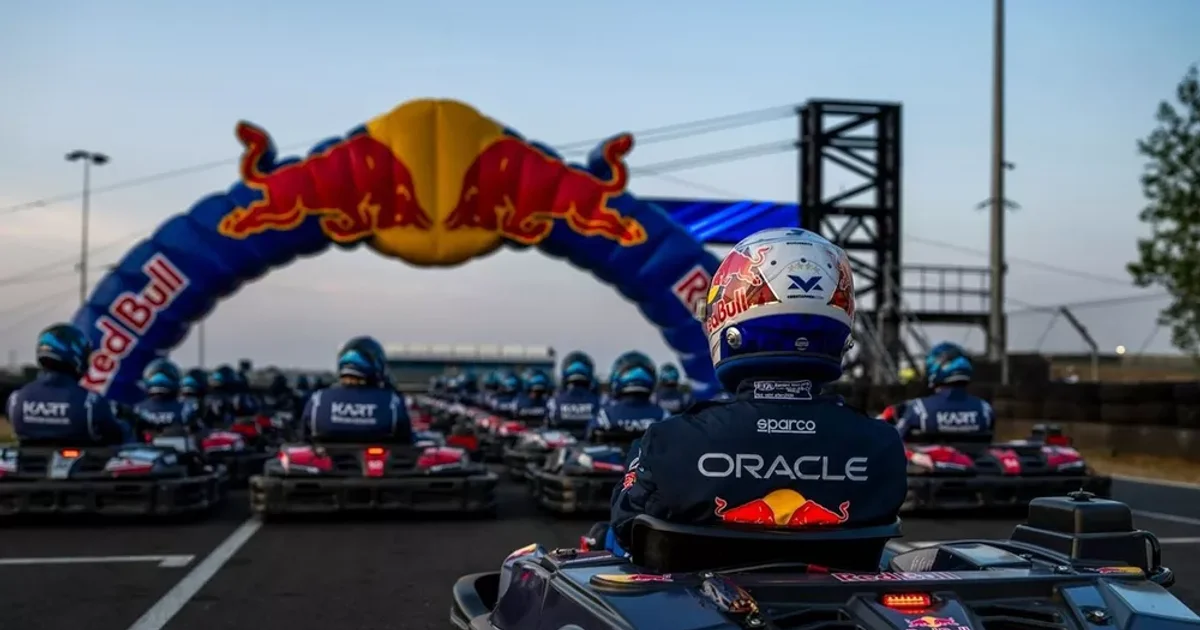
A field of 101 karts creates an information problem before it creates an entertainment one. Position alone is not enough. Viewers need to know how many drivers Verstappen has cleared, how many remain and whether his pace is sufficient to finish the job within 60 minutes plus one lap.
The field literally gets smaller as Verstappen moves forward
The elimination rules make that easier to visualize. Once Verstappen passes a challenger, that driver must remain behind him, maintain a minimum gap and eventually return to the pits after crossing a designated arch.
The relevant traffic therefore decreases during the event. A broadcast graphic can turn the entire challenge into a visible countdown rather than asking viewers to remember where 101 individual karts are running.
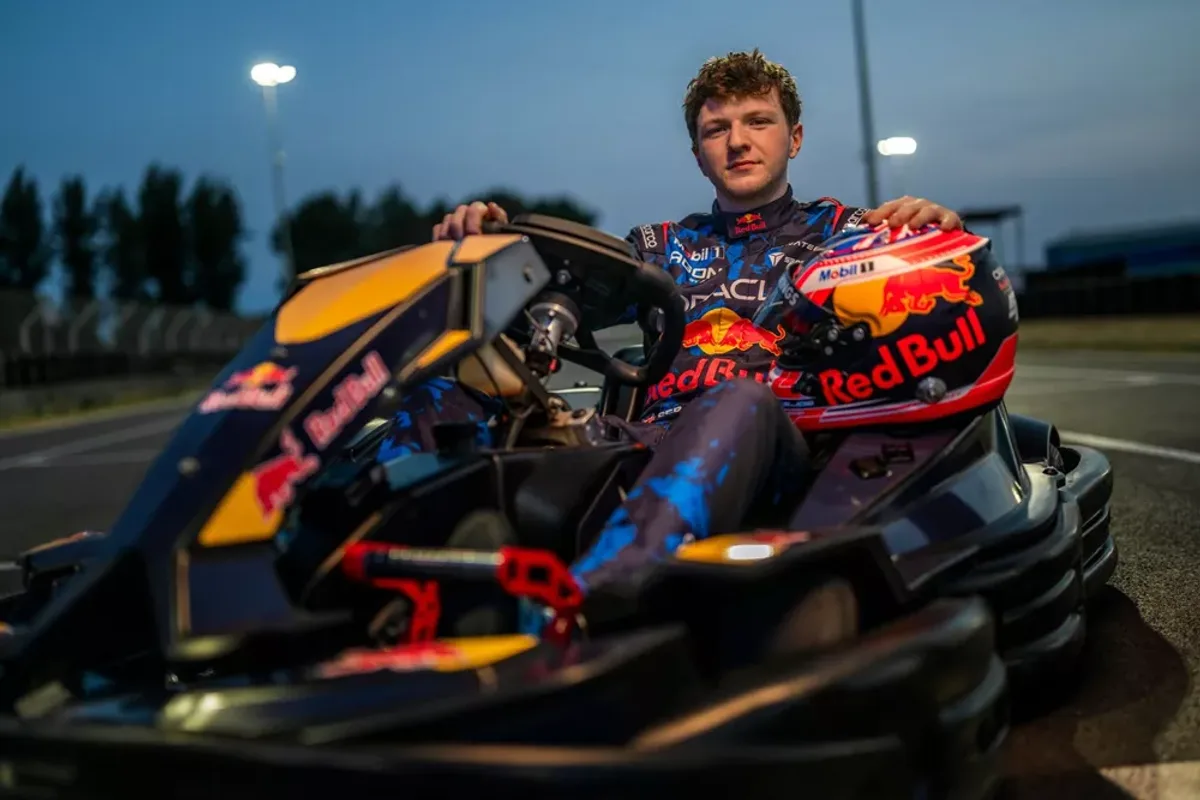
Whisper will layer live race data and on-screen insights over the pictures, alongside game-inspired graphics and drone footage. The goal is to make progress legible rather than simply spectacular.
The Bonus Lap creates another state the interface needs to track
Every challenger has access to one shorter route that must be used during the first half of the race. Verstappen has his own Bonus Lap, but cannot use it until the second half and faces additional restrictions around Safety Car and Full Course Yellow periods.
That means two drivers in apparently similar positions may not actually have the same strategic options remaining. A useful broadcast has to communicate who still owns that shortcut and what its use has changed.
It is a familiar problem for games. Raw position is only one variable; resources and timing matter as well.
The physical track is part of the information design
Race director David Terrien built a special Silverstone layout by combining part of the venue's kart circuit with an extension across the Grand Prix facility. It contains the Bonus Lap shortcut and a separate penalty loop.
The layout has to solve competing problems. Too little overtaking space and 101 karts become a traffic jam. Too much room and Verstappen could erase the premise faster than the broadcast can build tension.
Track geometry therefore shapes the stream directly: how often overtakes happen, where cameras can capture them and how quickly the field shrinks.
Direct driver communication becomes part of the content layer
Verstappen will be able to speak directly with competitors while the race is running. Traditional motorsport radio normally connects a driver to a team; here it is also being used to generate live interaction between rivals.
For producers, that creates another feed of useful material. A warning, joke or reaction can become part of the broadcast immediately rather than waiting for a post-race interview.
Disney+ gets to design the sport around streaming from day one
Max vs 100 streams through ESPN on Disney+ in supported markets on September 16. ESPN Unlimited subscribers in the United States can also watch through the ESPN App.
Disney already carries conventional sports. This project is different because the event itself has been shaped for digital presentation: an instantly understandable objective, persistent data, creator participation, direct communications and rules that naturally produce visible progress.
The live stream starts at 6 p.m. CEST. From that point, one number should explain most of the story: how many drivers are still ahead of Verstappen.